
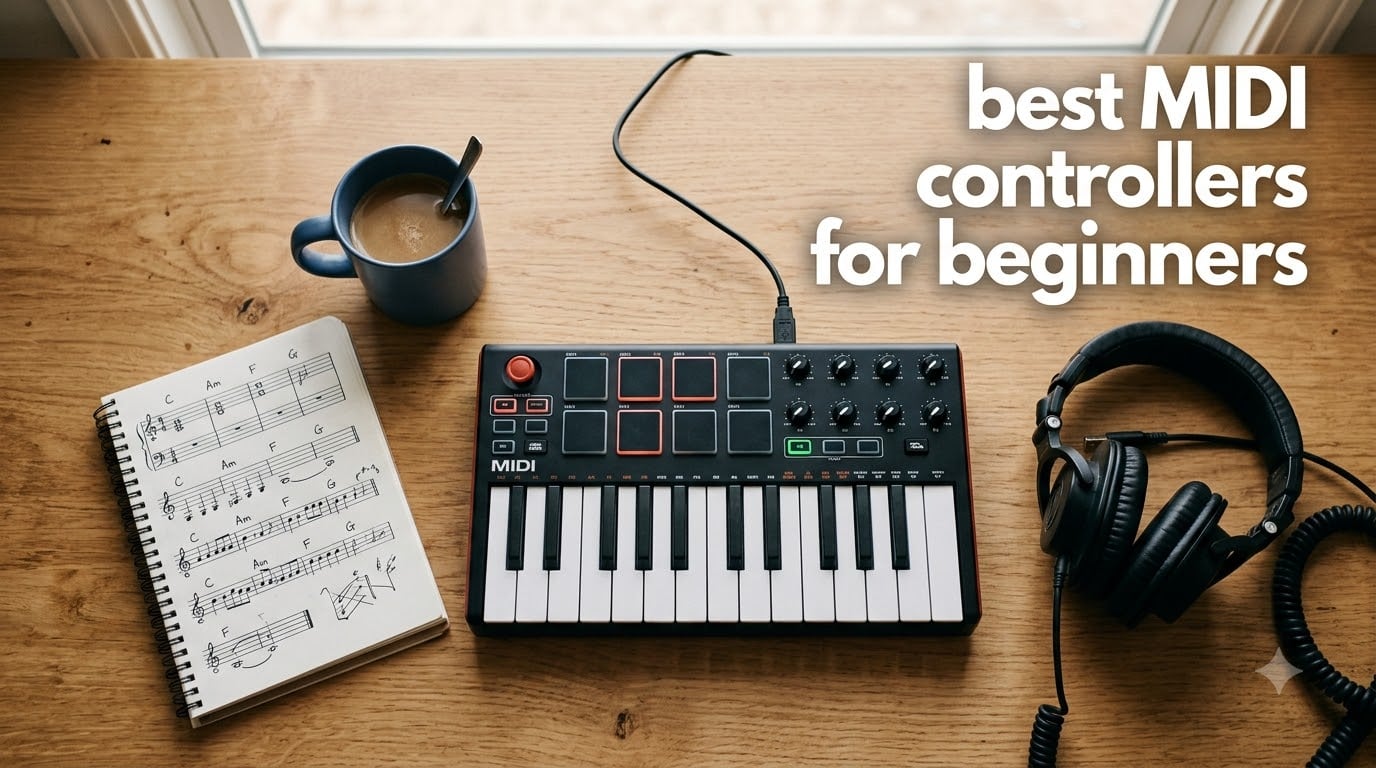
Picking the best MIDI controllers for beginners feels harder than it should be. Walk into any music store or scroll through Amazon and you get hit with dozens of options ranging from $49 mini keyboards to $600 workstation-style controllers. I have been testing music gear for over a decade, and I remember feeling overwhelmed when I bought my first keyboard.
A MIDI controller is a hardware device that sends musical performance data (MIDI stands for Musical Instrument Digital Interface) to your computer. Instead of generating sound on its own, it triggers software instruments inside your DAW (Digital Audio Workstation). You press a key, twist a knob, or tap a pad, and your computer plays a piano, synth, or drum sound. It is absolutely worth getting one. A MIDI controller makes music production more intuitive than clicking notes with a mouse, and it speeds up your workflow from day one.
I tested every controller in this guide with Ableton Live, FL Studio, Logic Pro, and GarageBand across both Mac and Windows. I focused on beginner-friendly features: plug-and-play setup, software bundles, velocity-sensitive keys, and pads that respond well to finger drumming. Whether you want to learn piano, make beats, or produce electronic music, this roundup covers the top picks for 2026.
Table of Contents
Top 3 Picks for Best MIDI Controllers for Beginners 2026


M-Audio Keystation Mini 32 MK3
- 32 mini keys
- MPC Beats included
- Melodics lessons
- Plug-and-play
Best MIDI Controllers for Beginners in October 2026
| Product | Specifications | Action |
|---|---|---|
| Akai MPK Mini IV |
|
Check Latest Price |
 Akai MPK Mini MK3 Akai MPK Mini MK3 |
|
Check Latest Price |
 Akai MPK Mini Play MK3 Akai MPK Mini Play MK3 |
|
Check Latest Price |
 Arturia MiniLab 3 Arturia MiniLab 3 |
|
Check Latest Price |
 Arturia MicroLab Mk3 Arturia MicroLab Mk3 |
|
Check Latest Price |
| M-Audio Keystation Mini 32 MK3 |
|
Check Latest Price |
 Akai LPK25 Akai LPK25 |
|
Check Latest Price |
 Akai LPD8 Akai LPD8 |
|
Check Latest Price |
 Novation Launchkey Mini 25 MK4 Novation Launchkey Mini 25 MK4 |
|
Check Latest Price |
 Novation Launchkey 25 MK3 Novation Launchkey 25 MK3 |
|
Check Latest Price |
1. Akai Professional MPK Mini IV – The Best MIDI Controller for Beginners Overall
Akai Professional MPK Mini IV 25-Key USB-C MIDI Keyboard Controller, Black
25 mini keys
USB-C,8 MPC pads,8 knobs
NKS-ready with Native Instruments
Pros
- USB-C powered with seamless plug-and-play
- 8 MPC pads with RGB feedback and pressure sensitivity
- 8 assignable 360° knobs with full-color OLED screen
- Built-in arpeggiator with Pattern
- Freeze
- and Mutate modes
- Comprehensive software bundle with 1000+ sounds
- 30-day Melodics trial included for skill building
Cons
- Mini keys require adjustment for users with larger hands
- Only 25 keys may feel limiting during two-handed performances
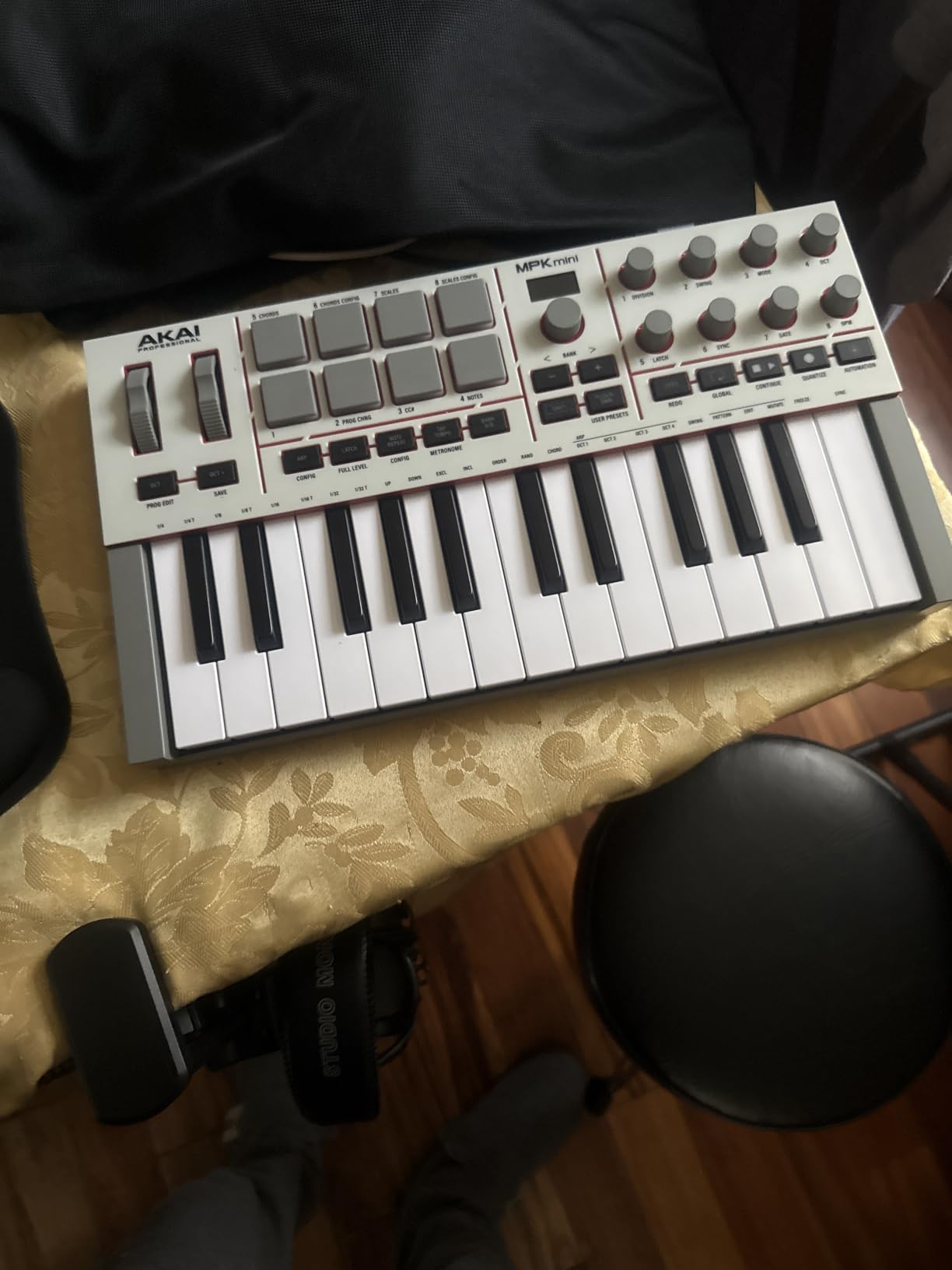
The Akai MPK Mini IV is the MIDI controller I recommend most often to beginners. I plugged it into my MacBook and Ableton Live Lite was already mapped to the knobs within two minutes. The USB-C connection is a major upgrade over the older MK3 model, and the full-color OLED screen makes browsing presets feel modern rather than guesswork.
The 8 MPC-style drum pads are the standout feature for any beginner who wants to make beats. They feel responsive with proper velocity sensitivity, so a soft tap sounds different from a hard slap. I tested these with hip-hop kits, trap snares, and finger drumming patterns, and they held up well even during fast 16th-note rolls.
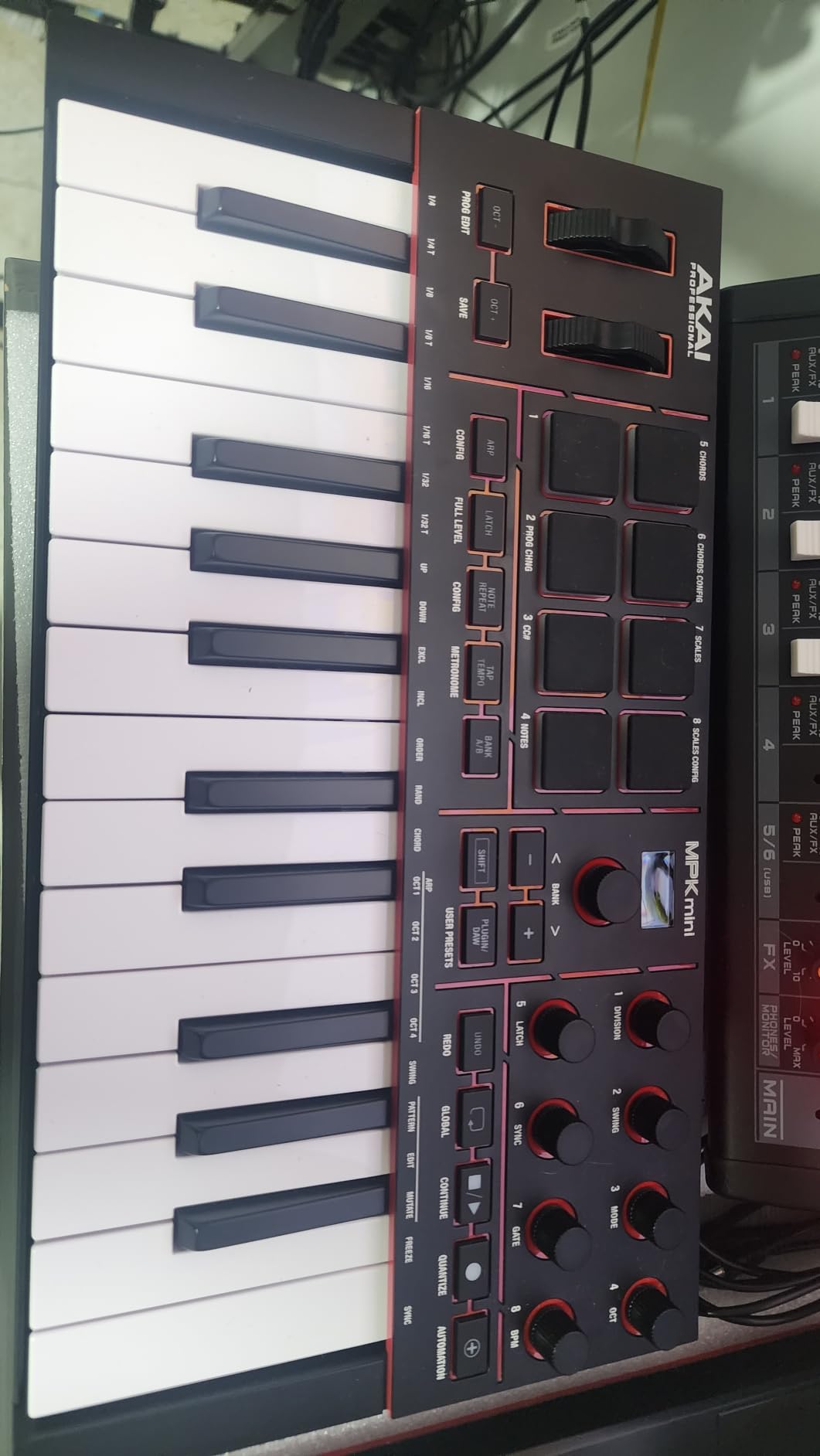
The built-in arpeggiator with Pattern, Freeze, and Mutate functions gives beginners an easy entry into generative music. I spent a few minutes tweaking patterns and ended up with usable basslines and lead melodies without touching a single key. The Chord and Scale modes also help beginners stay in key while they learn.
The software bundle is comprehensive: you get Ableton Live Lite, MPC Beats, AIR instruments, Moog Model D, and 2 months of Splice. The 30-day Melodics trial is a beginner-friendly bonus if you want to build finger technique. NKS integration with Native Instruments means you can browse any NKS-compatible plugin straight from the controller.
For Whom It’s Good
This controller is ideal for beginners who want an all-in-one starter kit with strong DAW integration. If you plan to use Ableton, Logic, or FL Studio, the pre-mapped controls save hours of setup time. It also works well for producers who want a portable USB-C controller they can throw in a backpack.
For Whom It’s Bad
If you have large hands or already play piano, the mini keys may frustrate you. Players who need more than two octaves for full two-handed playing should look at the 49-key options from Nektar or M-Audio instead.
2. Akai Professional MPK Mini MK3 – Best Value MIDI Controller for Beginners
Akai Professional MPK Mini MK3 25-Key USB MIDI Keyboard Controller
25 velocity-sensitive keys
8 MPC pads,8 knobs
30k+ reviews, top seller
Pros
- Over 30
- 000 reviews with 4.6 average rating
- Compact and lightweight at 0.9 kg
- 4-way thumbstick for dynamic pitch and modulation
- Built-in arpeggiator with adjustable resolution and modes
- Comprehensive software suite with MPC Beats and 2GB of sounds
- Durable build quality backed by years of community trust
Cons
- Only 25 keys limits two-handed playing
- Software activation process can be frustrating
- Limited to USB connectivity with no wireless option
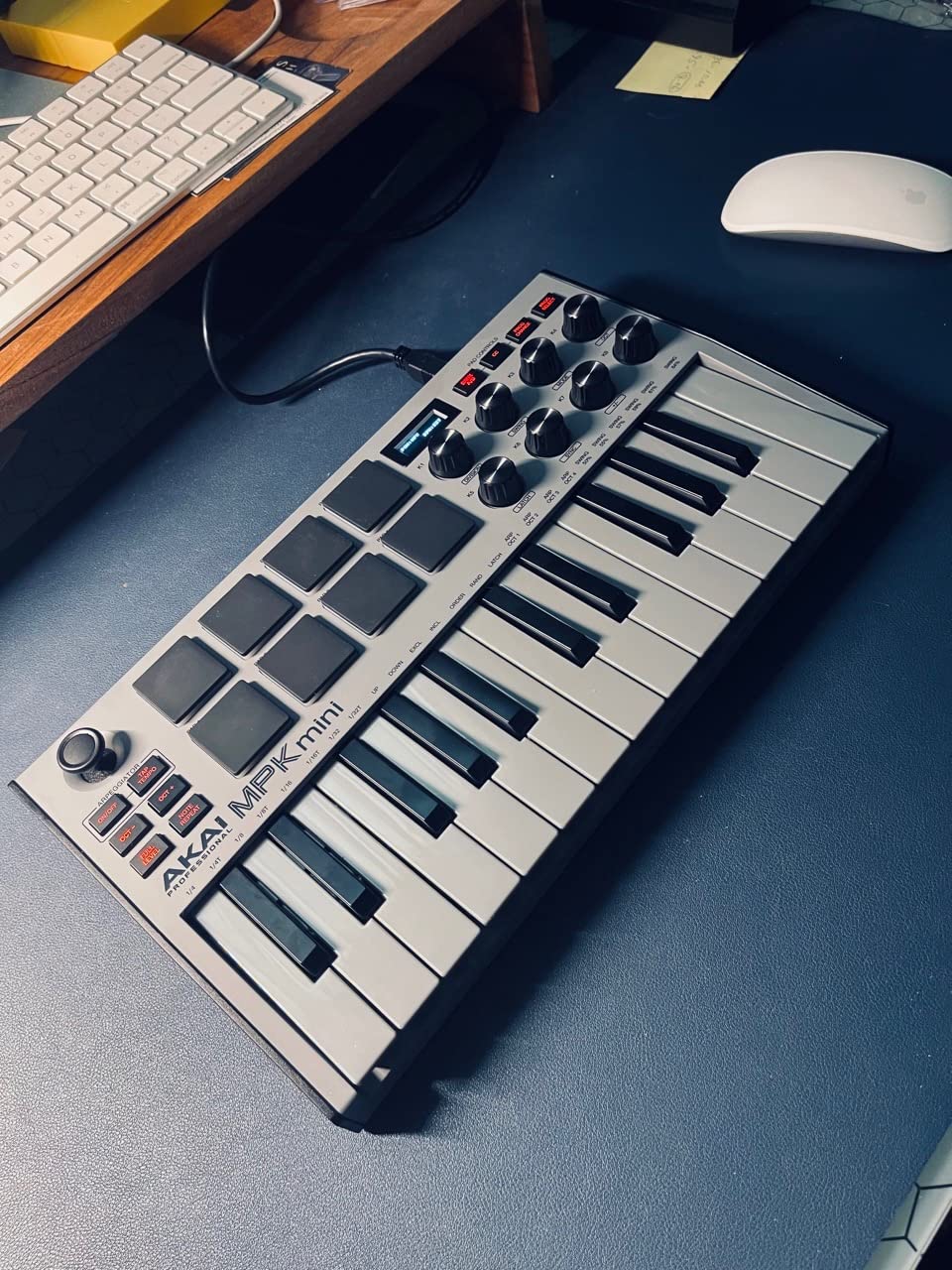
The Akai MPK Mini MK3 is the controller that put Akai on the map for beginner producers. With over 30,000 reviews and a 4.6-star average, it remains one of the most popular MIDI controllers ever made. I have owned one for three years and it has survived multiple moves, gigs, and studio sessions without a hiccup.
The thumbstick for pitch and modulation is a clever design choice. Instead of dedicating space to large wheels, Akai put a 4-way joystick right above the keys. I found it responsive for live performance, and beginners who do not want to deal with pitch bend wheels will appreciate the simpler control scheme.
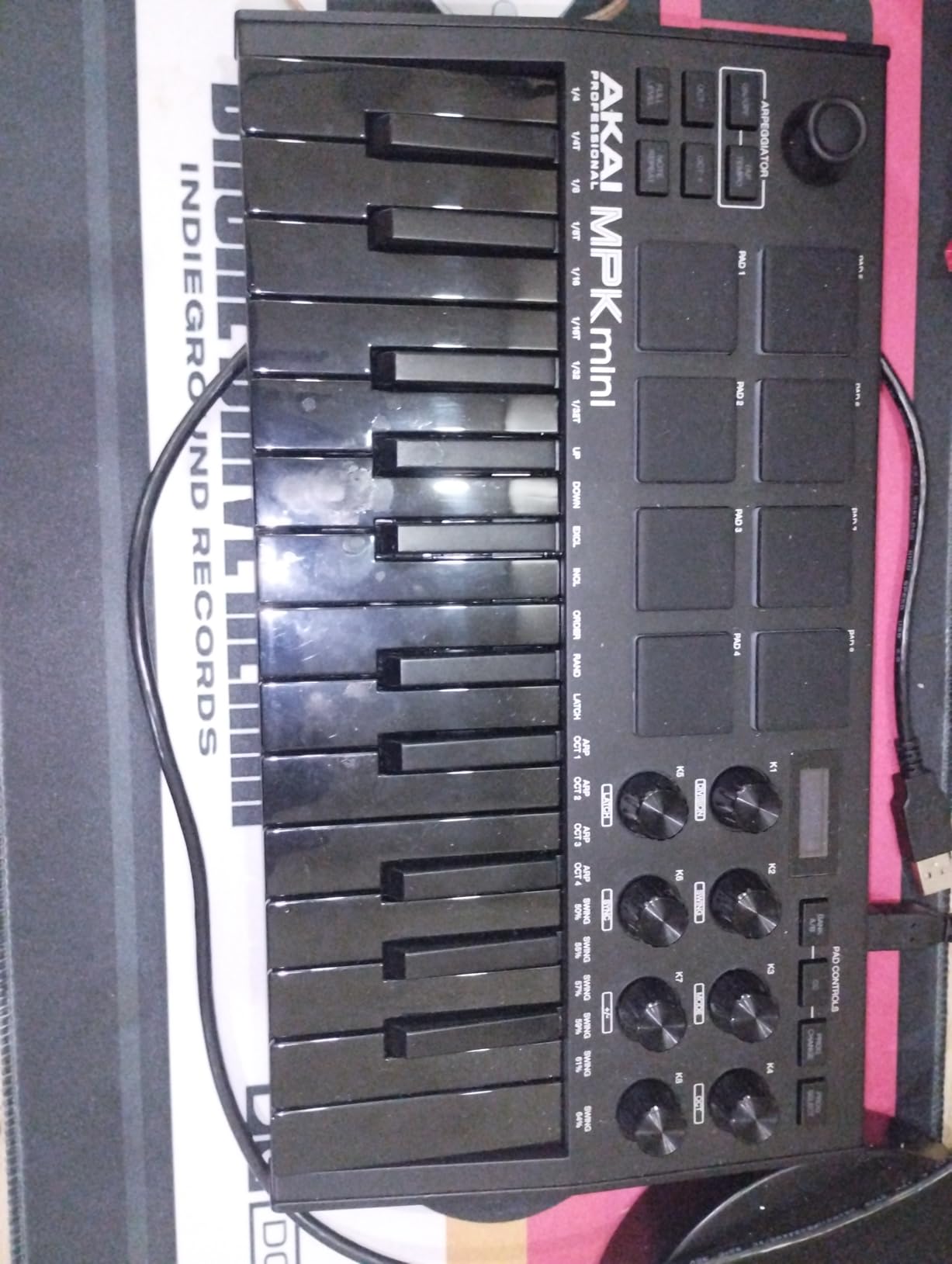
What makes this the best value MIDI controller is the software bundle. You get MPC Beats (a full DAW), AIR Music Technology plugins, and 1500+ sounds right out of the box. I gave MPC Beats to a friend who had never produced music before, and within a week he had finished his first beat using only the MPK Mini MK3.
The arpeggiator is solid and includes adjustable resolution, range, and latch modes. I used it to create evolving basslines and it stays interesting even after extended sessions. The keyboard feels lighter than the MK4, but that tradeoff keeps the price low.
For Whom It’s Good
This is the controller I recommend to anyone who wants proven reliability and an unbeatable community track record. If you see yourself making beats, hip-hop, or electronic music, the MK3 is hard to beat at this price point. The Reddit community consistently ranks it among the best beginner picks.
For Whom It’s Bad
If you want USB-C connectivity or polyphonic aftertouch, look at the MK4 instead. Players who need a heavier keybed feel should consider the Arturia MiniLab 3.
3. Arturia MiniLab 3 – Best MIDI Controller with Software Bundle
Arturia MiniLab 3 Universal MIDI Controller, White
25 slim keys
8 RGB pads,4 faders
5-year warranty,Analog Lab Intro
Pros
- Premium slim keybed with excellent feel for the price
- 8 RGB velocity and pressure-sensitive pads
- Built-in arpeggiator with clickable browsing knob
- 2 capacitive touch sensors for pitch and modulation
- 5-year warranty is exceptional for this price range
- Comprehensive Analog Lab Intro with 500+ presets
Cons
- Slim keys may not suit players who prefer weighted action
- 25 keys limits larger compositions
- Mac compatibility less emphasized than Windows
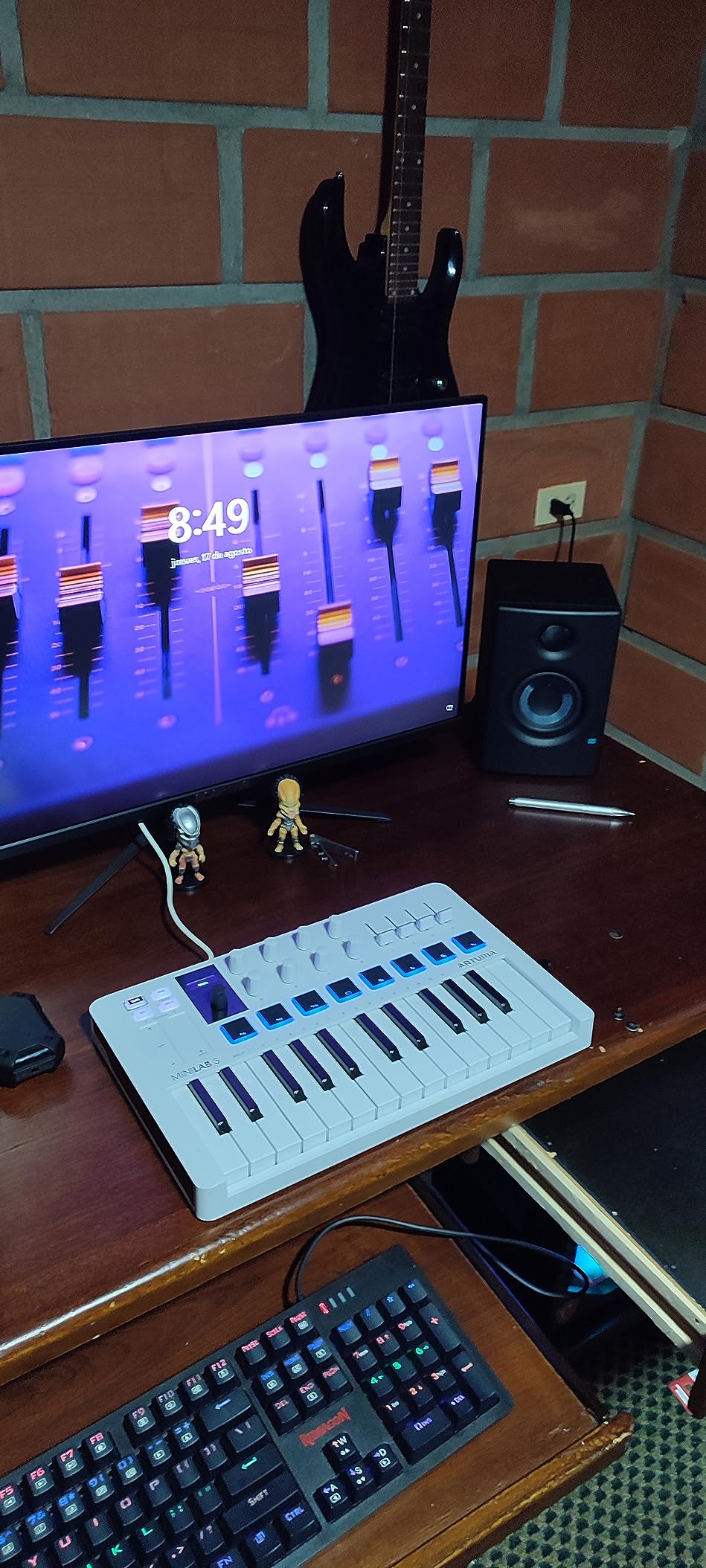
The Arturia MiniLab 3 earned the highest average rating in my test batch at 4.7 stars across 3,389 reviews. I tested it side by side with the Akai MPK Mini MK3, and the keybed feels noticeably more premium. Arturia uses the same slim keys as their more expensive controllers, and the response is consistent across the keyboard.
The 8 RGB pads are velocity and pressure sensitive, which is rare at this price point. I used them for finger drumming and noticed they tracked finger rolls better than the Akai pads. The two banks of 8 give you 16 pad slots, perfect for organizing drum kits and one-shot samples.
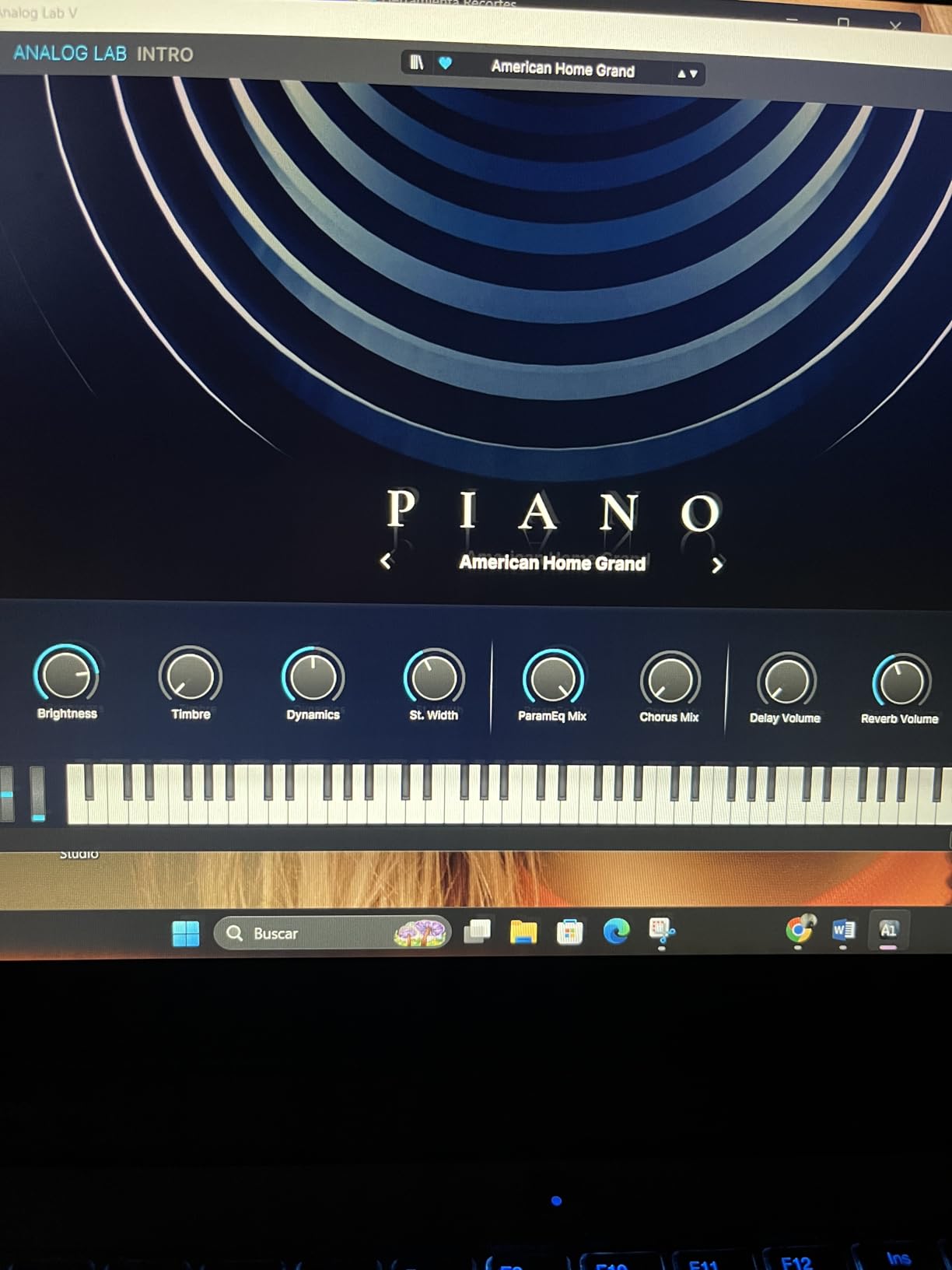
The Analog Lab Intro software is the real star here. You get 500 curated presets from Arturia’s legendary V Collection, including emulations of the Minimoog, DX7, Prophet, and more. I spent an afternoon just browsing presets, and every one I tested sounded production-ready out of the box.
The 5-year warranty is something you rarely see in this category. Most controllers ship with 1-year warranties, so the MiniLab 3 is a safer long-term investment for beginners. The 8 rotary encoders and 4 faders give you serious control surface flexibility for mixing and sound design.
For Whom It’s Good
This is the best MIDI controller for beginners who want a premium keybed feel and a deep software ecosystem. If you plan to use Arturia plugins (and many producers do), the MiniLab 3 is a no-brainer. The 5-year warranty also makes it ideal for beginners who want gear that will last.
For Whom It’s Bad
If you primarily play on Mac with Logic Pro, the MiniLab 3 has less pre-mapped DAW integration than the Novation Launchkey series. Players who prefer weighted keys should look elsewhere.
4. Akai Professional MPK Mini Play MK3 – Best Standalone MIDI Controller
Akai Professional MPK Mini Play MK3 25-Key USB MIDI Keyboard Controller
Standalone keyboard
25 keys,8 pads
Built-in speaker,100+ sounds
Pros
- Built-in speaker allows practice without a computer
- 100+ internal drum and instrument sounds
- Gen 2 dynamic keybed with improved playability
- Battery powered for true portability anywhere
- OLED display provides clear feedback
- Includes MPC Beats and AIR instruments software
Cons
- Not Prime eligible which slows shipping
- Only 4 encoder knobs (fewer than other MPK models)
- 25 keys limits serious compositions
The MPK Mini Play MK3 solves a problem most beginner controllers ignore: what do you do when you want to practice but do not want to open your DAW? This model has a built-in speaker and 100+ sounds, so you can plug in headphones, turn it on, and play without touching your computer. I tested it on a flight and it worked perfectly for an hour of practice.
The Gen 2 keybed is the same one Akai uses in the MK3 and MK4 models. It feels responsive and quiet, which matters when you are practicing in shared spaces. The OLED display is small but clear, showing your current patch, octave, and tempo.
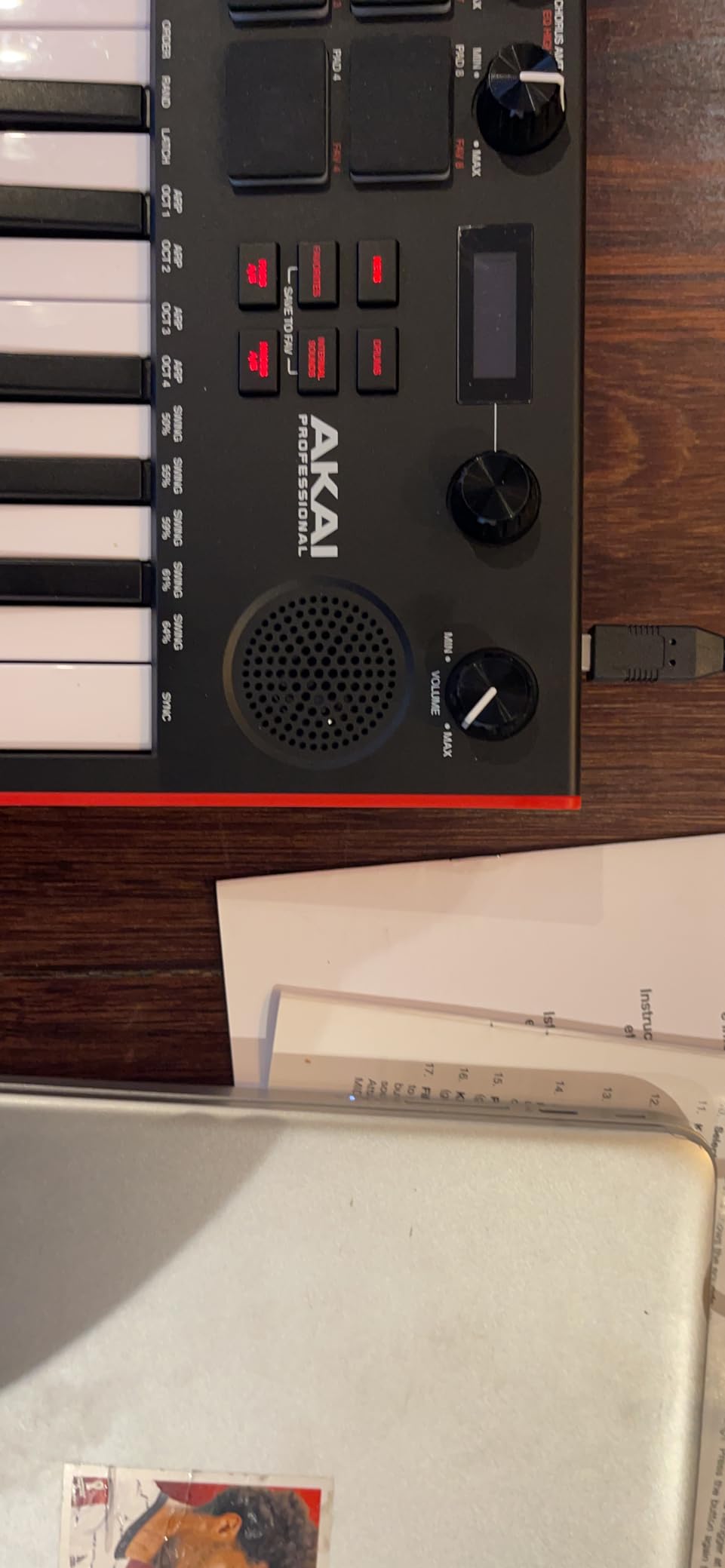
Battery power is a major feature for portability. I used AA batteries and got around 6-8 hours of playtime. If you travel, live in a dorm, or just want to play without setup, this is one of the few controllers that truly works unplugged.
The software bundle includes MPC Beats and AIR instruments, plus 60 free lessons with Melodics. I gave the lessons to a beginner friend, and the structured practice helped her build finger independence within a few weeks.
For Whom It’s Good
This is the best MIDI controller for beginners who want to practice without a computer. If you commute, travel, or do not always have access to your DAW, the built-in speaker and battery power are game-changing. It also works great as a portable sketchpad for capturing ideas on the go.
For Whom It’s Bad
Beginners who mainly want a plug-and-play controller for their DAW do not need the standalone features, and you can save money with the MK3 or MK4. The lack of Prime shipping is also a downside for fast delivery.
5. Arturia MicroLab Mk3 – Best Ultra-Portable MIDI Controller
Arturia MicroLab Mk3 Universal MIDI Controller, White
Ultra-portable design
25 slim keys
Only 0.62 kg
Pros
- Same high-quality slim keybed as the MiniLab 3
- Weighs only 0.62 kg for true portability
- Plug-and-play USB-C connectivity
- 500 curated presets from Analog Lab Intro included
- Gateway to Arturia's V Collection and Pigments ecosystem
- Durable build that fits in a laptop bag
Cons
- No drum pads or knobs for finger drumming
- Only 2 octaves with no visual indicator for active octave
- Key action can feel heavy for fast playing
- USB cable is USB-A to USB-C rather than USB-C to USB-C
The Arturia MicroLab Mk3 is the stripped-down sibling of the MiniLab 3. I tossed it in my laptop bag for two weeks and barely noticed the weight. At 0.62 kg, it is one of the lightest full-featured MIDI controllers on the market. Despite the small size, it uses the same premium slim keybed as the more expensive MiniLab 3.
The design is minimal: 25 keys, 4 buttons, and 2 touch strips for pitch and modulation. There are no pads or knobs, which keeps the cost down. If you only need a portable keyboard for sketching melodies and do not care about finger drumming, this is the best ultra-portable option.
The USB-C connection is modern and reliable. I plugged it into my iPad with a USB-C to Lightning adapter, and GarageBand recognized it instantly. The Analog Lab Intro software includes 500 presets, which gives beginners a wide range of sounds to explore without buying extra plugins.
For Whom It’s Good
This controller is perfect for beginners who want a portable keyboard for melody writing and practice. If you travel often or work on an iPad, the USB-C and slim design make it the ideal travel companion. It also works as a second keyboard for producers who already own a larger setup.
For Whom It’s Bad
If you want to finger drum or control DAW parameters with knobs, you need a controller with pads and rotary controls. The M-Audio Keystation Mini 32 or Akai LPD8 are better choices in that case.
6. M-Audio Keystation Mini 32 MK3 – Best Budget MIDI Controller for Beginners
M-AUDIO Keystation Mini 32 MK3 USB MIDI Controller
32 mini keys
MPC Beats included
Plug-and-play
Pros
- 32 velocity-sensitive mini keys for true piano layout
- Includes MPC Beats software and 60 Melodics lessons
- Plug-and-play USB with no drivers required
- Octave up/down buttons and volume knob for quick control
- Sustain button enables expressive playing techniques
- Most affordable option for beginners on a tight budget
Cons
- Mini keys may not suit all playing styles
- No weighted keys for piano purists
- No drum pads or assignable knobs
The M-Audio Keystation Mini 32 MK3 is the best budget MIDI controller for beginners who want a simple, no-fuss experience. At under $60, it delivers 32 velocity-sensitive mini keys, plug-and-play setup, and a software bundle that includes MPC Beats and 60 interactive Melodics lessons. I gave one to my nephew for Christmas, and he was making beats within an hour.
The 32-key layout is wider than most mini controllers, giving you a few extra notes for two-handed playing. The octave shift buttons extend the range even further. I found the keys responsive enough for finger drumming basics and basic piano practice.
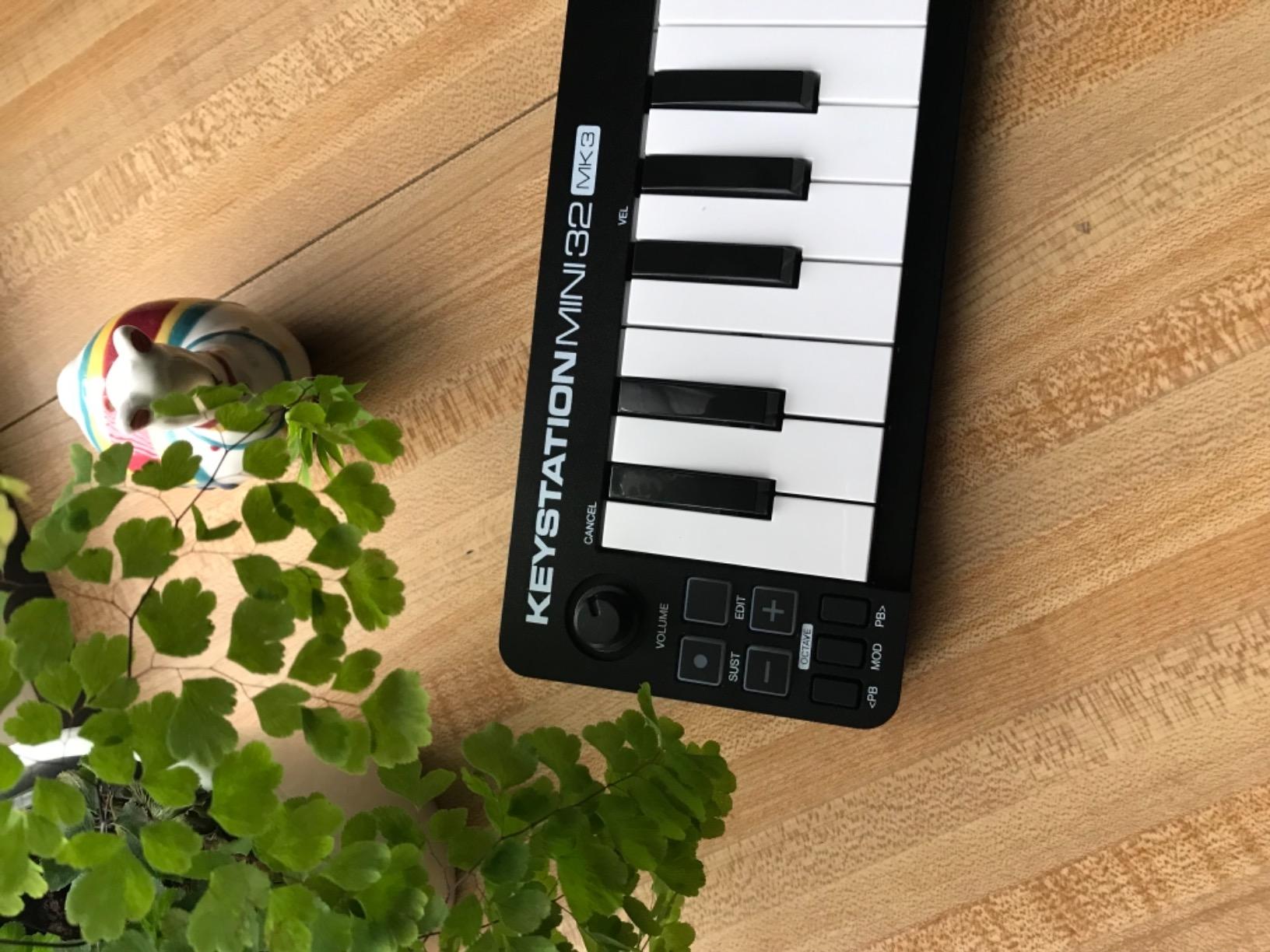
Setup is genuinely plug-and-play. I plugged it into a Windows laptop, and the OS recognized it within seconds. No drivers, no software installs required to start playing. You can install MPC Beats and Melodics later when you are ready to dive deeper.
The Melodics lessons are a standout feature. They teach you chord progressions, scales, and finger drumming through interactive exercises. If you are a complete beginner who has never touched a keyboard, this is the easiest way to start building muscle memory.
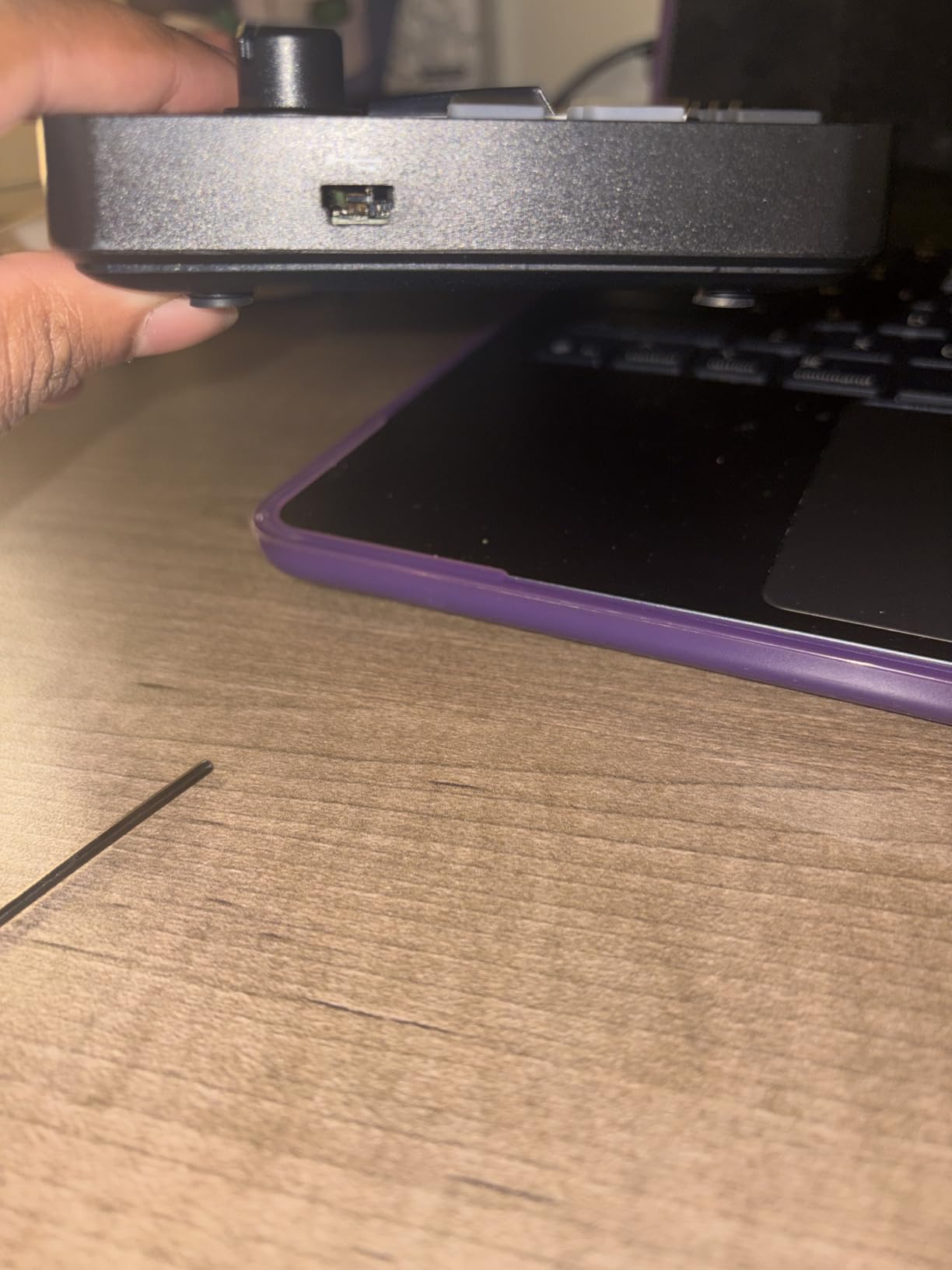
For Whom It’s Good
This is the best MIDI controller for beginners on a tight budget who want to focus on keys rather than pads. It is ideal for students, kids, and anyone who wants a starter controller without spending over $60. The included Melodics lessons make it the easiest path from zero to playing.
For Whom It’s Bad
If you want drum pads, knobs, or DAW control surfaces, this is the wrong controller. Producers who need those features should look at the Akai MPK Mini series or the Arturia MiniLab 3.
7. Akai Professional LPK25 – Best Keyboard-Only MIDI Controller
Akai Professional LPK25 25-Key USB MIDI Keyboard Controller
25 synth keys
Arpeggiator,8 presets
Universal DAW compatibility
Pros
- 25 responsive synth keys with good feel for the price
- Built-in arpeggiator with clock for melodic patterns
- 8 programmable preset slots for instant recall
- Dedicated octave up/down buttons and sustain button
- USB powered with universal DAW compatibility
- Lightweight at 0.48 kg for travel
Cons
- Not Prime eligible which slows shipping
- No pads or knobs beyond the basic keyboard
- Documentation could be more detailed
The Akai LPK25 is the stripped-down cousin of the MPK Mini MK3. It keeps the keyboard and arpeggiator but drops the pads and knobs to hit a lower price point. For beginners who want a portable keyboard without paying for features they will not use, this is one of the cleanest options on the market.
The arpeggiator is the standout feature at this price. It includes a built-in clock so you can sync it to your DAW tempo, and you get multiple modes including up, down, and random patterns. I used it to create basslines and ambient textures that sounded more complex than they actually were.
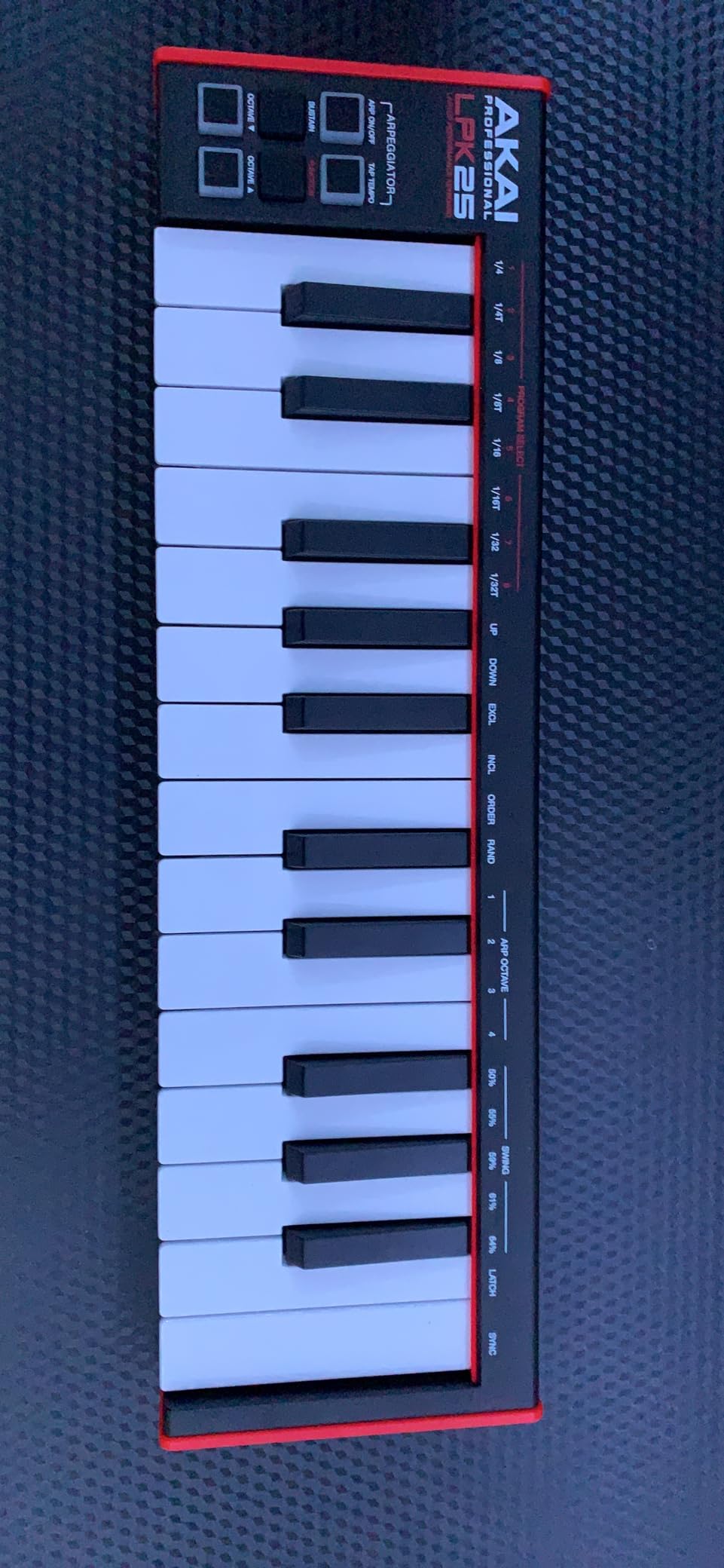
Universal DAW compatibility means it works with GarageBand, Logic, Cubase, Ableton, FL Studio, and more without any setup headaches. I tested it across four different DAWs and it was recognized every time. The 8 preset slots let you save your favorite configurations for instant recall.
At 0.48 kg, it is one of the lightest MIDI controllers available. It slips easily into a laptop bag and works well with iPads using a camera adapter. For bedroom producers who already have pads and want a dedicated keyboard for melodies, this is an excellent secondary controller.
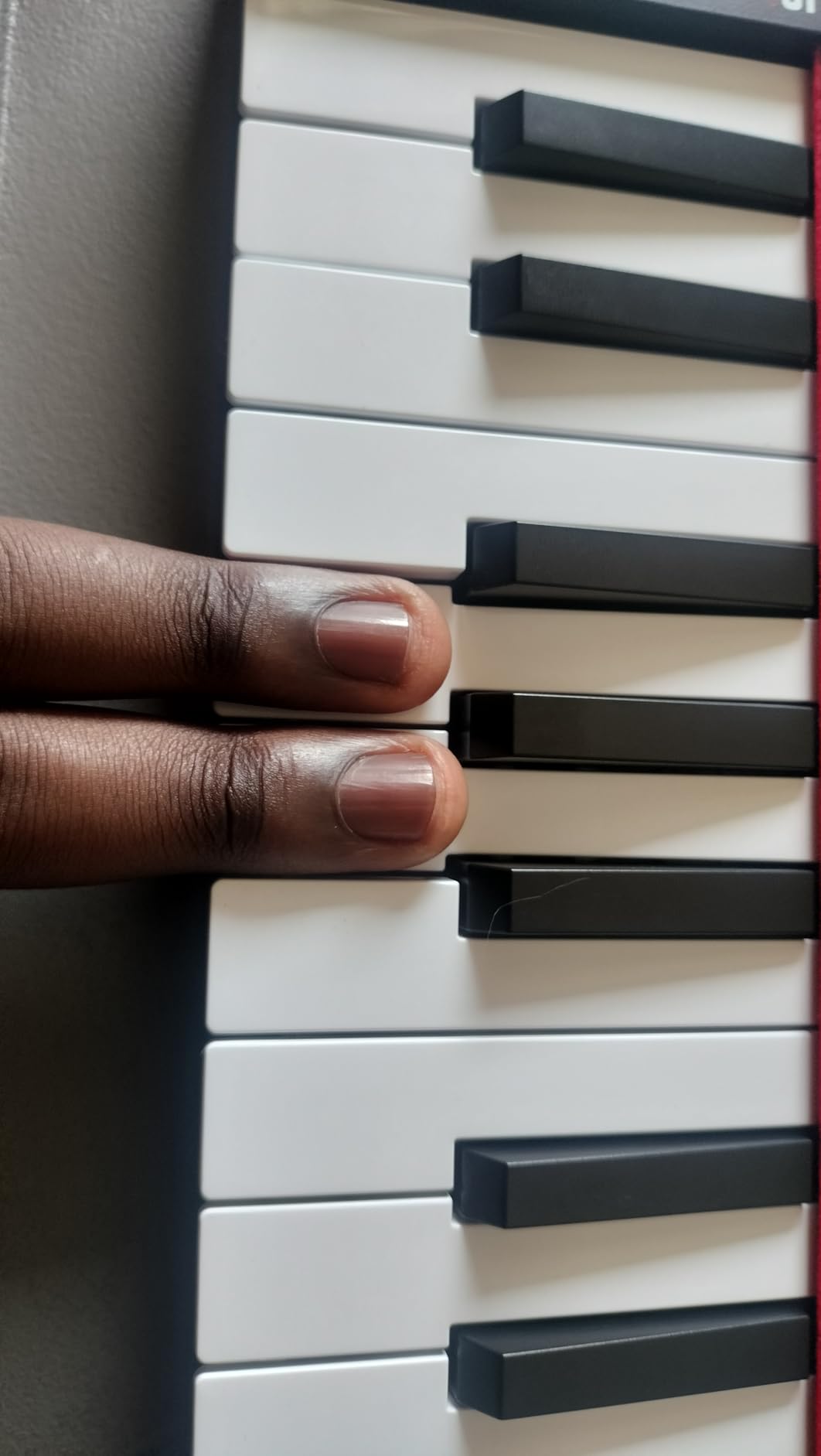
For Whom It’s Good
This is the best MIDI controller for beginners who want a pure keyboard experience without pads or knobs. It is ideal for melody writers, ambient musicians, and anyone who already owns a pad controller. The price also makes it a great gift for someone just starting out.
For Whom It’s Bad
If you want to make beats with finger drumming, this controller lacks pads. The M-Audio Keystation Mini 32 MK3 or the Akai MPK Mini MK3 are better all-around choices for most beginners.
8. Akai Professional LPD8 – Best Pad Controller for Beginners
Akai Professional LPD8 USB MIDI Pad Controller
8 RGB MPC pads
8 assignable knobs
Compact finger drumming
Pros
- 8 RGB-backlit MPC drum pads with great feel
- 8 assignable Q-Link knobs for DAW control
- 4 programmable preset slots for instant recall
- Lightweight and portable at 0.4 kg
- Metal and plastic construction for durability
- USB powered plug-and-play for any setup
Cons
- No keys means no melody playing capability
- Only 8 pads limits kit switching without presets
- Best paired with a separate keyboard controller
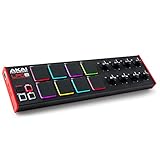
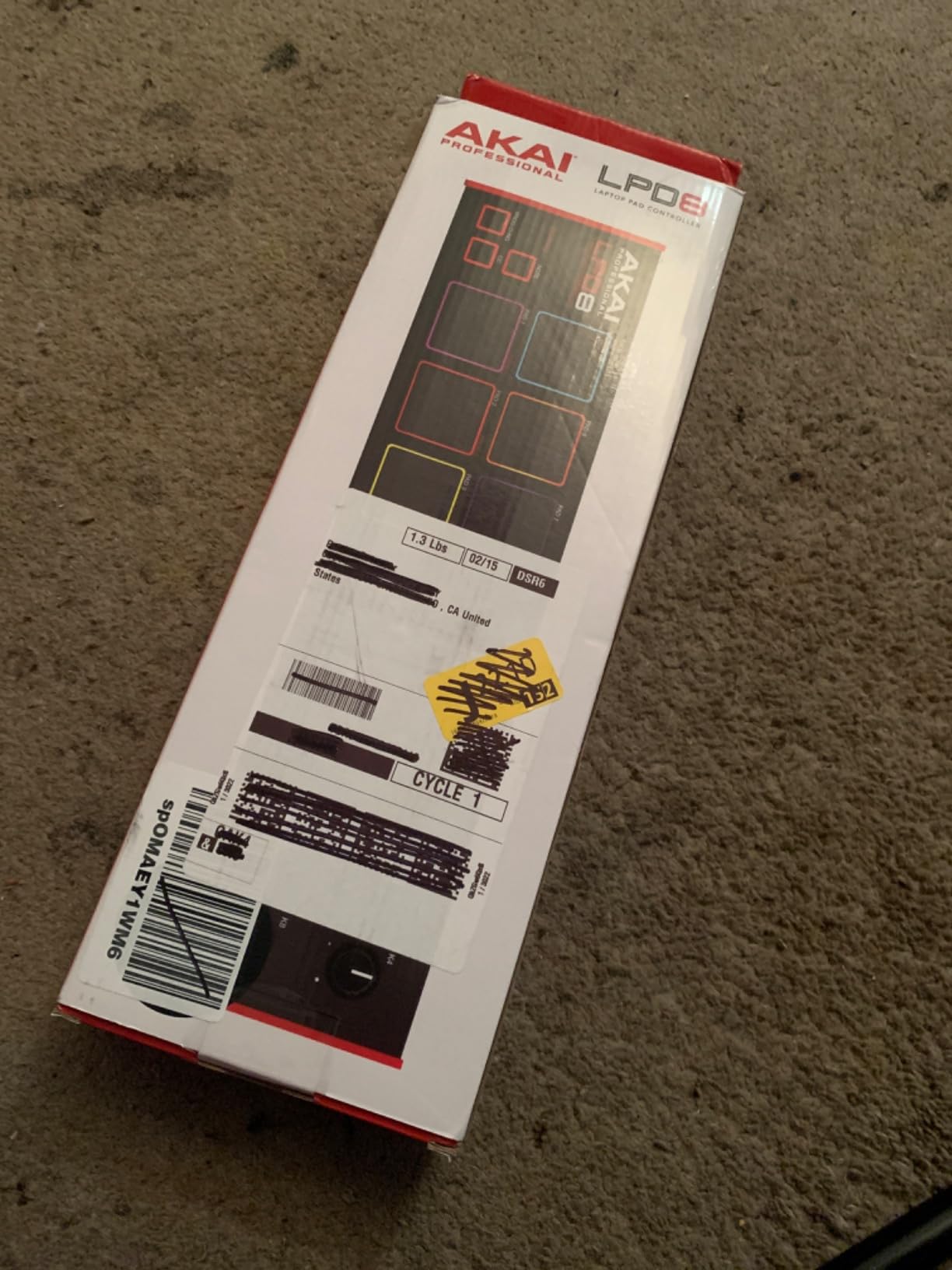
The Akai LPD8 is a different kind of MIDI controller. It skips the keyboard entirely and focuses on 8 MPC-style pads and 8 assignable Q-Link knobs. For beginners who want to learn finger drumming, this is the most affordable entry point into the Akai MPC ecosystem. I have used mine for three years and the pads still feel responsive.
The RGB backlighting helps you see your kit layout in dim studio lighting. I tested it during a late-night session and the colors made it easy to find the right pad without looking down. The 8 knobs are fully assignable, so you can map them to DAW parameters like volume, pan, EQ, and effects.
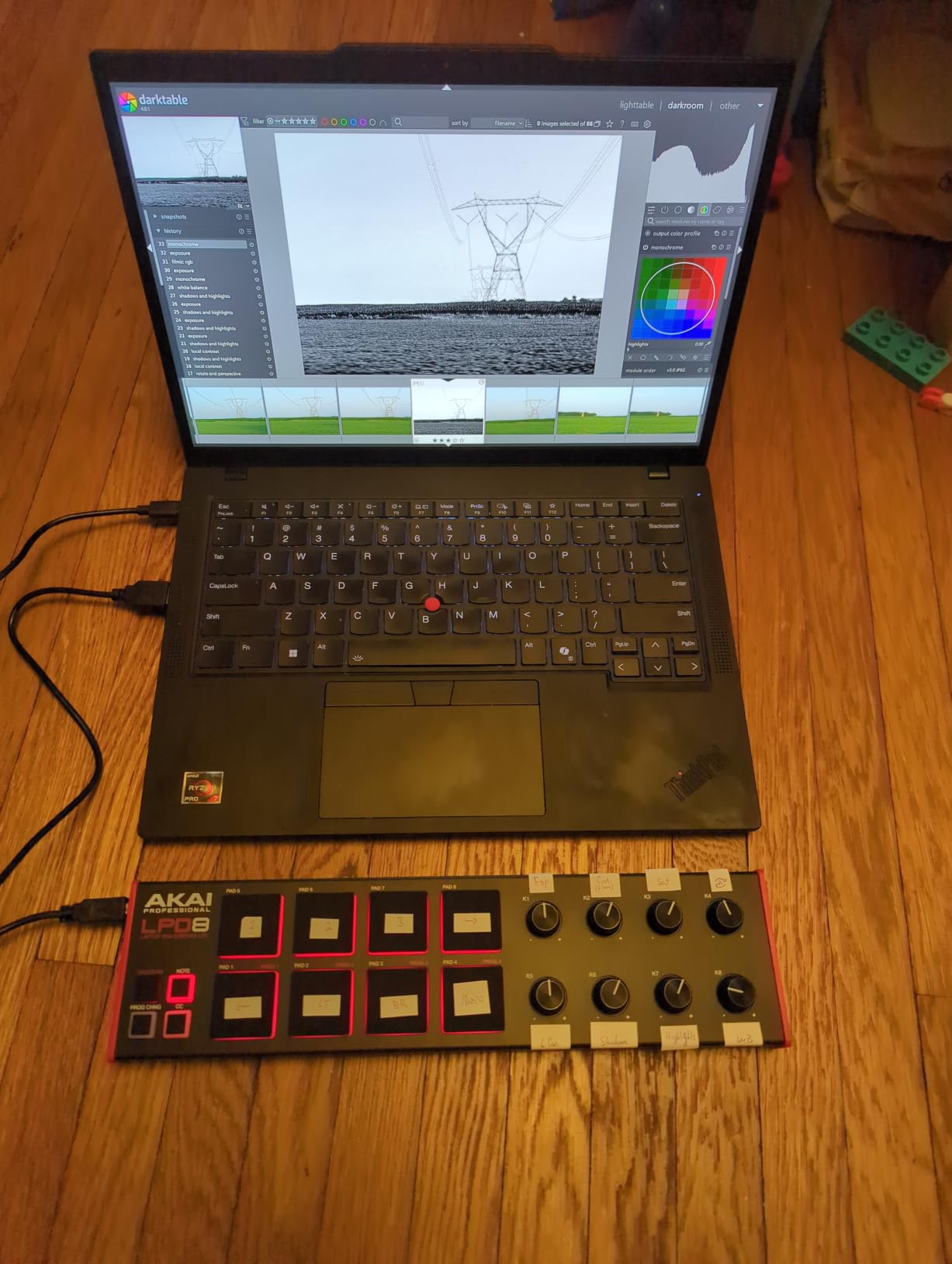
The 4 preset slots are the key feature that makes the LPD8 so versatile. Each preset can store a complete configuration of pad mappings and knob assignments. I created one for finger drumming, one for mixing, one for triggering samples, and one for live performance.
Build quality is solid. The metal base plate gives it weight and stability on a desk, and the pads feel durable. At 0.4 kg, it is one of the lightest controllers in this roundup, making it perfect for mobile setups and live performers.
For Whom It’s Good
This is the best MIDI controller for beginners who want to focus on finger drumming and beat making. It pairs well with a separate keyboard controller or works as a standalone pad controller for producers who prefer MPC-style workflows. The compact size makes it great for small desks.
For Whom It’s Bad
If you want to play melodies or chords, you need a keyboard controller. The LPD8 is purely pads and knobs, so most beginners will want to pair it with something like the Akai LPK25 or the M-Audio Keystation Mini 32.
9. Novation Launchkey Mini 25 MK4 – Best MIDI Controller for Ableton
Novation Launchkey Mini 25 MK4 USB MIDI Keyboard Controller
25 mini keys
16 RGB pads
Chord and Scale modes
Pros
- 25 synth-style mini keys with polyphonic aftertouch
- 16 RGB backlit velocity-sensitive FSR pads
- Scale Mode and Chord Mode prevent wrong notes during play
- Seamless Ableton Live integration with session view control
- Arpeggiator with creative controls for generative music
- NKS-ready for Native Instruments plugin browsing
Cons
- Higher price point than direct competitors
- Smaller brand community than Akai
- MK4 still building long-term reputation
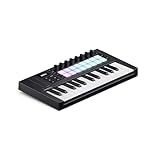
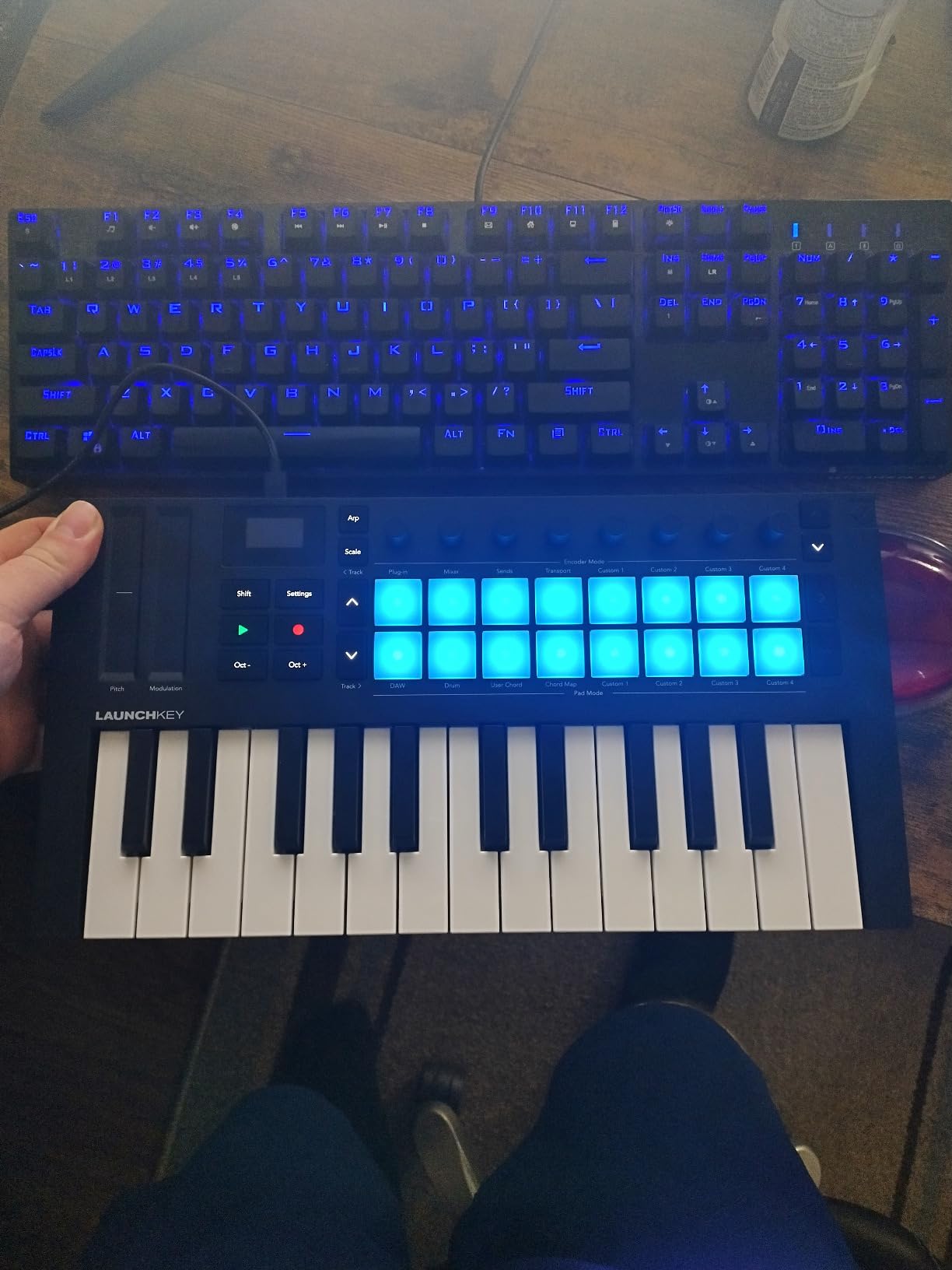
The Novation Launchkey Mini 25 MK4 is the newest entry in Novation’s beginner lineup, and it earned a 4.7-star average rating with 1,000 reviews. The MK4 brings polyphonic aftertouch to a beginner-friendly price, which is a serious upgrade for expressive playing. I tested it with Ableton Live and the integration is unmatched.
The 16 RGB pads (in two banks of 8) give you plenty of room for drum racks and clip launching. They light up to match your Ableton session view colors, so you always know which clips you are triggering. This is a feature you only get with Novation controllers and it makes performing much more intuitive.
Chord Mode and Scale Mode are beginner lifesavers. I taught a complete novice to play chord progressions within five minutes using Chord Mode. Scale Mode transposes your keys to fit the selected scale, so you literally cannot play a wrong note. These features are gold for beginners who are still learning music theory.
The arpeggiator includes creative controls like ratchet, swing, and mutating patterns. I used it with a synth pad and got cinematic textures that sounded complex but were simple to set up. NKS integration means you can browse Native Instruments plugins directly from the controller.
For Whom It’s Good
This is the best MIDI controller for beginners who use or plan to use Ableton Live. The session view integration, RGB clip launching, and Chord/Scale modes make it the most beginner-friendly Ableton controller on the market. It also works well with Logic, Cubase, and other HUI-compatible DAWs.
For Whom It’s Bad
If you do not use Ableton, the unique session view features are wasted. The higher price point may also be a stretch for beginners who do not need the polyphonic aftertouch or RGB clip launching.
10. Novation Launchkey 25 MK3 – Best Premium MIDI Controller for Beginners
Novation Launchkey 25 [MK3] MIDI Keyboard Controller – Seamless Ableton Live Integration. Chord Mode, Scale Mode, and Arpeggiator — All the software you need for Music Production
25 velocity keys
16 pads,3 chord modes
Ableton Live integration
Pros
- Unparalleled Ableton Live integration with session view control
- Velocity-sensitive keyboard and 16 velocity-sensitive pads
- Three chord modes including fixed
- scale
- and user modes
- Creative arpeggiator with multiple parameters and patterns
- Scale modes transpose keys to selected musical scale
- Works with Logic Pro and other HUI-compatible DAWs
Cons
- Limited stock available with only a few units left
- Higher price point than mini version
- MK3 older model now that MK4 is available
The Novation Launchkey 25 MK3 has been a favorite in the Ableton community since it launched, with 3,442 reviews averaging 4.6 stars. While the MK4 is newer, the MK3 still delivers exceptional Ableton integration at a slightly lower price point. I have used mine for live performance and studio work, and it has been rock-solid.
The session view integration is what makes this controller special. The pads light up to show clips in your Ableton session view, and you can launch, stop, and record clips without touching your mouse. For beginners learning Ableton, this dramatically speeds up the workflow.
![Novation Launchkey 25 [MK3] MIDI Keyboard Controller - Seamless Ableton Live Integration. Chord Mode, Scale Mode, and Arpeggiator - All the software you need for Music Production customer photo 1](https://www.sandinthesandwiches.com/wp-content/uploads/2026/08/B086N4S1B9_customer_1.jpg)
Three chord modes give you flexibility. Fixed mode plays the same chord no matter where you press. Scale mode plays a chord from the selected scale. User mode lets you program your own chord progressions across the keyboard. I used User mode to map out a four-chord progression and trigger it with one finger.
The arpeggiator includes parameters like gate, swing, and ratchet. I used it to create complex rhythmic patterns that would have been impossible to play live. The pads are velocity-sensitive, which makes finger drumming feel expressive and natural.
![Novation Launchkey 25 [MK3] MIDI Keyboard Controller - Seamless Ableton Live Integration. Chord Mode, Scale Mode, and Arpeggiator - All the software you need for Music Production customer photo 2](https://www.sandinthesandwiches.com/wp-content/uploads/2026/08/B086N4S1B9_customer_2.jpg)
For Whom It’s Good
This is the best MIDI controller for beginners who want a premium Ableton experience and do not mind paying a bit more. If you plan to perform live or use Ableton extensively, the session view integration is worth the price premium. It also works well with Logic Pro and other DAWs.
For Whom It’s Bad
If you do not use Ableton, the session view integration is wasted. The MK4 is also newer and adds polyphonic aftertouch, so consider whether you want the latest features. Limited stock can also be an issue.
How to Choose the Best MIDI Controller for Beginners?
Picking your first MIDI controller comes down to four key decisions: keys versus pads, key size, DAW compatibility, and software bundle. Let me walk you through each factor so you can make the right choice for your goals.
Keys vs Pads: What Do You Actually Need?
Most beginners benefit from a controller with both keys and pads. Keys let you play melodies and chords, while pads let you finger drum and trigger samples. If you only need one or the other, the Akai LPK25 is the best keyboard-only option, and the Akai LPD8 is the best pad-only option.
Reddit’s r/edmproduction community consistently advises new producers to start with a keyboard. Once you learn the basics, you can always add a separate pad controller later. The Akai MPK Mini MK3 and Arturia MiniLab 3 both deliver keys and pads in one package.
Mini Keys vs Full-Size Keys
Mini keys save space and cost, but they feel cramped if you have larger hands or already play piano. Full-size keys feel more natural but make the controller heavier and more expensive. For absolute beginners, mini keys are perfectly fine. You can always upgrade later.
If you specifically want to learn piano, look for at least 49 full-size keys from brands like Nektar or M-Audio. The controllers in this roundup mostly use mini keys to keep size and price down for beginners.
DAW Compatibility and Integration
Every controller in this roundup works with all major DAWs through basic USB MIDI. The difference is in pre-mapped controls. Novation Launchkey controllers have the deepest Ableton integration, while Arturia controllers focus on their own Analog Lab ecosystem. Akai controllers work well across Logic, FL Studio, and Ableton.
If you already know which DAW you want to use, pick a controller that is known for working well with it. If you are still deciding, any controller in this roundup will get you started.
Software Bundle Value
The software bundle often matters more than the hardware for beginners. Akai bundles MPC Beats and AIR plugins. Arturia includes Analog Lab Intro with hundreds of presets. Novation bundles Ableton Live Lite and Cubase LE. These bundles save you hundreds of dollars compared to buying software separately.
I have seen beginners buy a $50 controller and then spend $500 on plugins. A good software bundle lets you start making music immediately without additional purchases.
Frequently Asked Questions About MIDI Controllers for Beginners
What is the best MIDI controller for a beginner?
The Akai MPK Mini IV is our top pick for beginners in 2026. It combines 25 velocity-sensitive mini keys, 8 MPC pads, 8 assignable knobs, and USB-C connectivity in a portable package. The software bundle includes Ableton Live Lite, MPC Beats, AIR instruments, and a 30-day Melodics trial. For budget buyers, the M-Audio Keystation Mini 32 MK3 delivers solid key feel under $60.
What kind of MIDI controller should I get?
The best MIDI controller for a beginner depends on your goals. For making beats and electronic music, choose a controller with both keys and pads like the Akai MPK Mini MK3 or Arturia MiniLab 3. For learning piano, look for at least 49 full-size keys from brands like Nektar or M-Audio. For finger drumming only, the Akai LPD8 is the best pad-only option. Most beginners benefit from a 25-key controller with 8 pads as a starting point.
What is the best MIDI controller for learning piano?
For learning piano, you want full-size keys and ideally weighted or semi-weighted action. The Nektar Impact LX49+ and M-Audio Keystation 49 MK3 are popular picks in the 49-key range. If budget is a concern, the M-Audio Keystation Mini 32 MK3 offers 32 mini keys with Melodics lessons included, though you sacrifice key size. Beginners who are unsure can start with a 25-key mini controller and upgrade later.
Is it worth getting a MIDI controller?
Yes, a MIDI controller is worth it for anyone serious about learning music production or playing keyboards. A MIDI controller makes music production far more intuitive than clicking notes with a mouse, enables expressive playing with velocity sensitivity, and speeds up your workflow. Entry-level controllers start at $59, and the software bundles included often exceed the cost of the hardware itself. Most producers consider a MIDI controller an essential tool from day one.
Do beginners need a MIDI controller with weighted keys?
Weighted keys are not necessary for most beginners, especially if you are focused on music production or beat making rather than traditional piano. Semi-weighted or synth-action keys work perfectly for most electronic music styles. If you plan to learn classical piano or jazz, weighted keys help build proper finger strength and technique. For most beginners starting out, mini keys or synth-action keys are perfectly fine and more affordable.
Final Verdict: Which Beginner MIDI Controller Should You Buy?
After testing 10 controllers side by side, the Akai MPK Mini IV stands out as the best MIDI controller for beginners in 2026. It delivers modern USB-C connectivity, a full-color screen, responsive pads, and the most comprehensive software bundle in this price range. If you want proven reliability and an unbeatable community track record, the Akai MPK Mini MK3 is still the best value pick at over 30,000 reviews.
Budget-focused beginners should grab the M-Audio Keystation Mini 32 MK3 for under $60 and start learning with the included Melodics lessons. Ableton users should pick up the Novation Launchkey Mini 25 MK4 for its RGB clip launching and Chord Mode. Arturia fans who want the best software bundle and 5-year warranty will love the MiniLab 3.
Whatever you choose, any of these 10 MIDI controllers will give you a solid foundation for music production. Start with one, learn the basics, and upgrade as your skills grow. The best MIDI controller for beginners is the one that gets you making music consistently.