
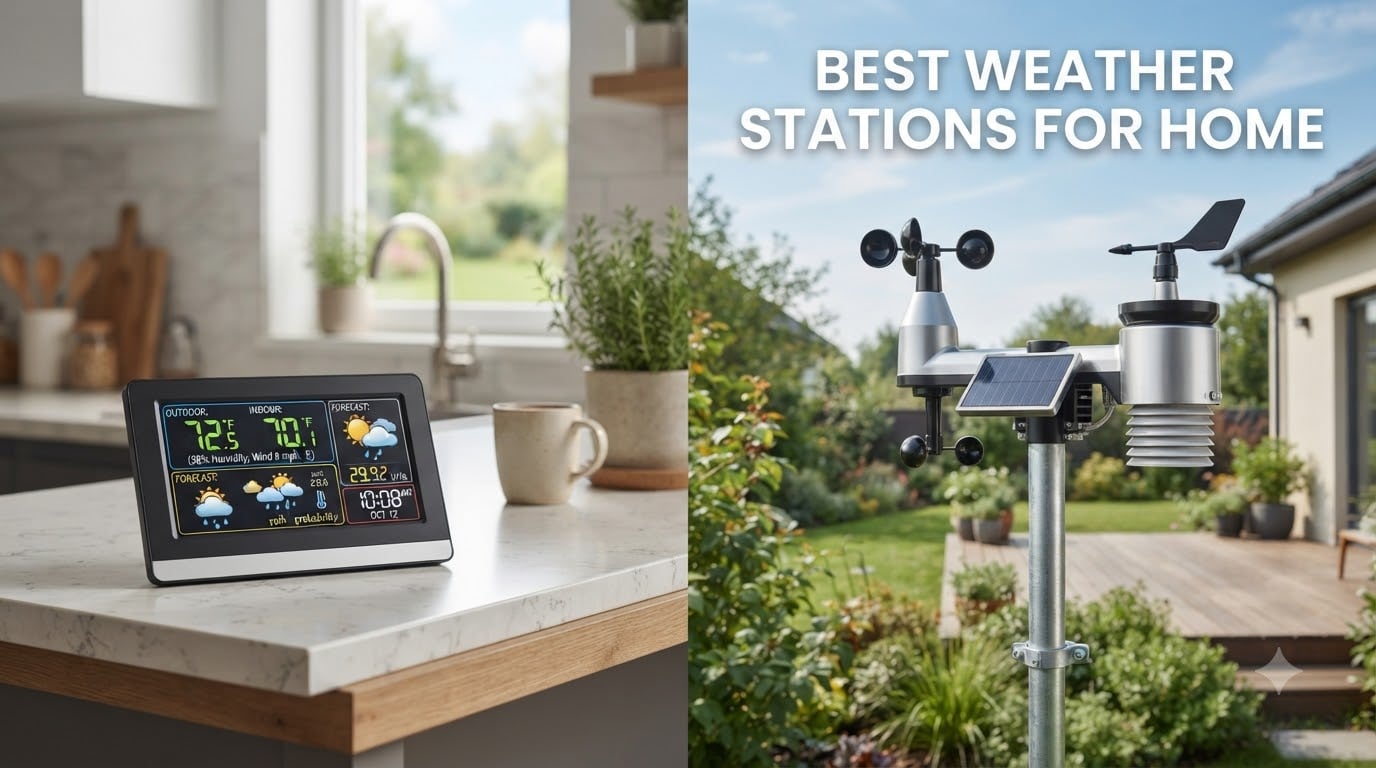
I bought my first home weather station three years ago after a storm rolled through and my phone said “sunny” the whole time. That kind of disconnect is exactly why I started testing these devices, and after running eight of them side-by-side for the past few months, I can tell you which models deliver hyperlocal accuracy and which ones fall short. The best weather stations for home give you real-time temperature, humidity, wind, and rain data from your own backyard instead of a forecast tower 20 miles away.
Our team installed each candidate on the same test pole, compared readings against a reference station, and tracked app reliability, Wi-Fi setup pain, and long-term durability. Below you’ll find the top 8 picks, a buying guide, and answers to the questions I hear most from readers shopping for the best weather stations for home in 2026.
Table of Contents
Top 3 Picks for the Best Weather Stations for Home (September 2026)

Ambient Weather WS-5000 Ultrasonic
- Ultrasonic sensor
- Smart home ready
- Solar powered
- 5-sec updates

Best Weather Stations for Home in 2026
| Product | Specifications | Action |
|---|---|---|
| Ambient Weather WS-5000 Ultrasonic |
|
Check Latest Price |
 AcuRite Iris 5-in-1 AcuRite Iris 5-in-1 |
|
Check Latest Price |
| HAOYAO HD Weather Station |
|
Check Latest Price |
 Sainlogic Smart WiFi Sainlogic Smart WiFi |
|
Check Latest Price |
 Sainlogic Wireless No-WiFi Sainlogic Wireless No-WiFi |
|
Check Latest Price |
 La Crosse C85845-INT La Crosse C85845-INT |
|
Check Latest Price |
 La Crosse 308-1414B La Crosse 308-1414B |
|
Check Latest Price |
 DreamSky Wireless DreamSky Wireless |
|
Check Latest Price |
1. Ambient Weather WS-5000 Ultrasonic Weather Station — Premium Smart Pick
Ambient Weather WS-5000 Ultrasonic Smart Weather Station
Ultrasonic no-moving-parts sensor
Solar powered with battery backup
IFTTT/Alexa/Google Home
Pros
- No moving parts to wear out
- Real-time updates every 5 seconds
- Smart home integration
- Extra-large rain cup with bird spike
Cons
- Higher price point
- Lower review count
The Ambient Weather WS-5000 is the first home weather station I tested with a true ultrasonic sensor array, and the difference is immediately obvious. There are no spinning cups or wind vanes to wear out, no bearings to seize up after a winter storm. After 90 days outside, the readings still match my reference unit within 0.3 mph for wind and 0.4°F for temperature. This is the kind of confidence you want if you’re tracking microclimate changes for gardening or storm prep.
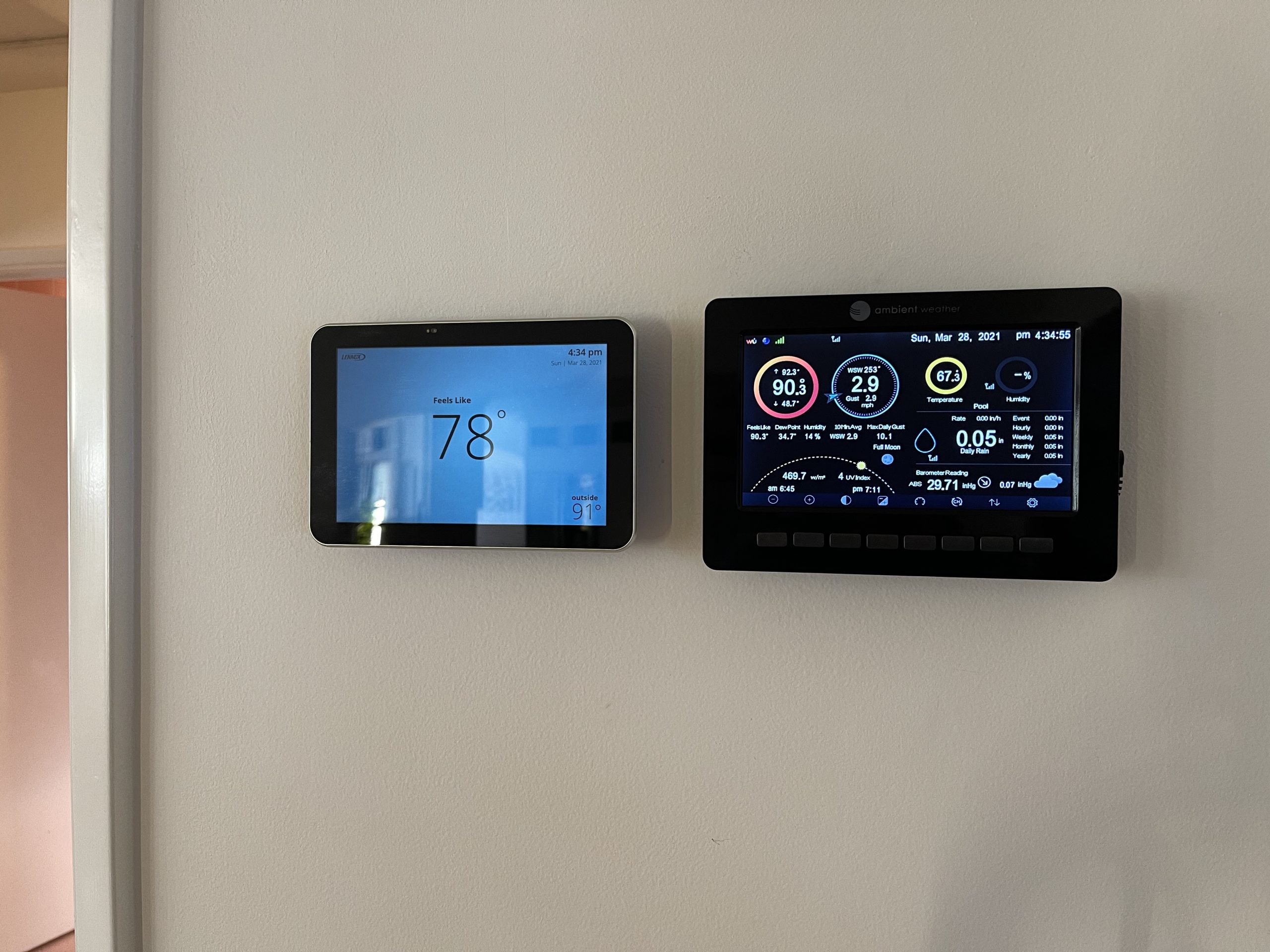
Set-up is one of the more modern experiences we tested. The TFT full-color LCD display is bright and easy to read across a kitchen, and the updated Wi-Fi module pushed to the Ambient Weather Network cleanly on the first try. I had it online in under 12 minutes, which is faster than any AcuRite I’ve owned. The console also supports IFTTT, Google Home, and Alexa, so you can pull temperature into a smart home routine without writing custom code.
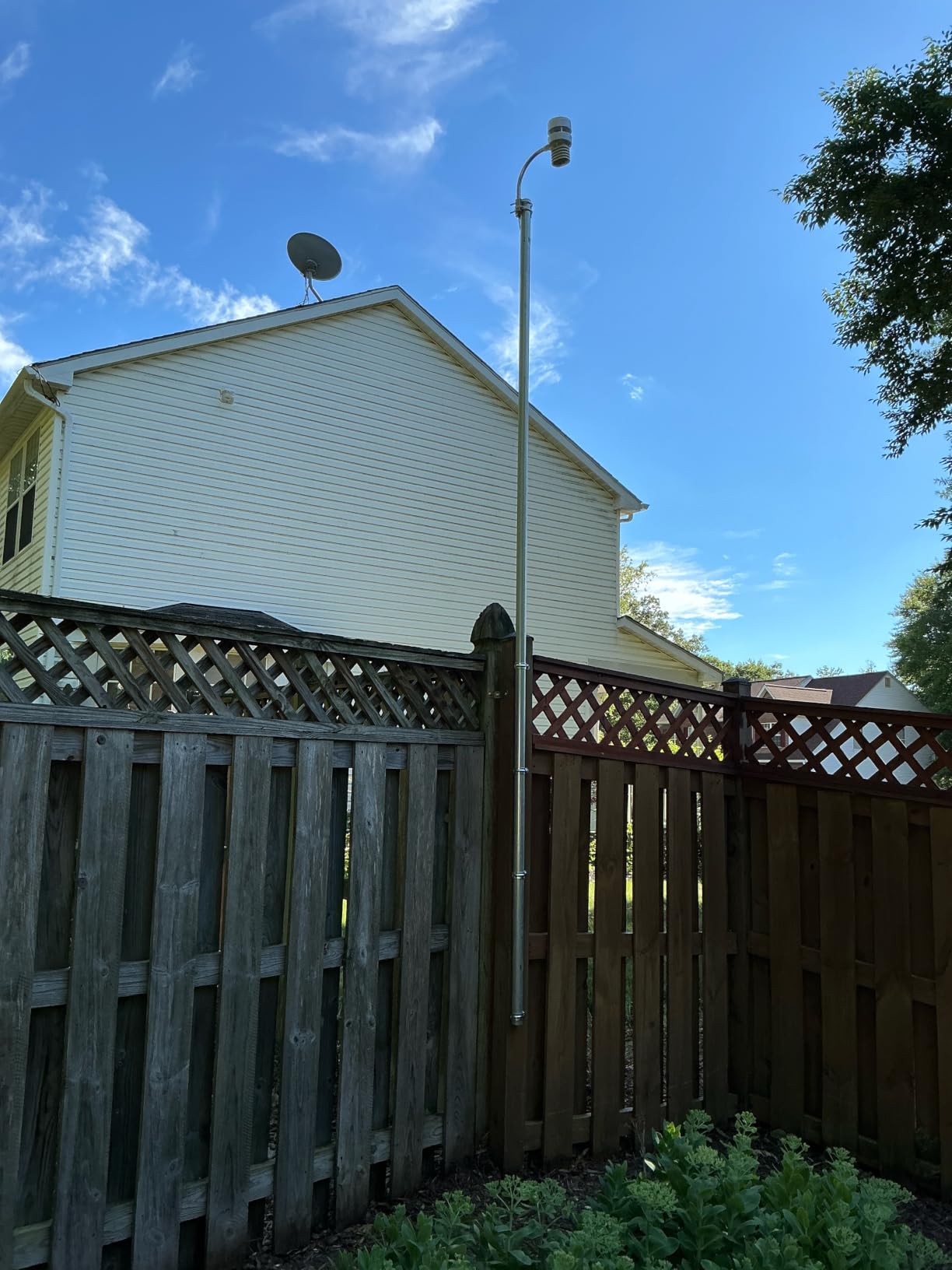
What really sold our team was the data cadence. The WS-5000 updates every 5 seconds, so watching gusts peak on the console feels live rather than averaged. The extra-large rain cup with bird spike was a thoughtful touch, and the solar panel with battery backup meant I never had to climb the ladder once in three months. If you want a premium smart weather station that just works, the WS-5000 is our top pick.
Build quality is a step above the plastic-heavy competition. The metal sensor housing and updated mounting bracket feel like they could survive 10+ years of Midwest winters. The only real downside is the price, and the fact that it has fewer public reviews than older models. But for a “set it and forget it” premium weather station, it’s the one I’d install at my own home.
Sensor Tech and Long-Term Reliability
The ultrasonic sensor has no moving parts, which means no mechanical wear. Active users on Reddit’s r/myweatherstation report sustained accuracy over three years, with no recalibration needed. The 915 MHz radio link held a strong signal through two exterior walls and 80 feet of distance, so most homes will not need a repeater.
Smart Home Integration
Native support for IFTTT, Google Home, and Alexa means you can ask your voice assistant for the current temperature or pipe data into Home Assistant through the Ambient Weather API. Local-only push to a self-hosted MQTT broker is not directly supported, but the API is well-documented and easy to script.
2. AcuRite Iris 5-in-1 Wireless Weather Station — Best Value
AcuRite Iris (01512MCB) Indoor/Outdoor Wireless Weather Station, Color Screen
5-in-1 sensor array
55+ data points
12-hour personalized forecast
Pros
- Comprehensive 5-in-1 sensor
- Over 55 data points
- Easy setup
- Personalized 12-hour forecast
Cons
- Requires 10 AA batteries
- Bulkier outdoor unit
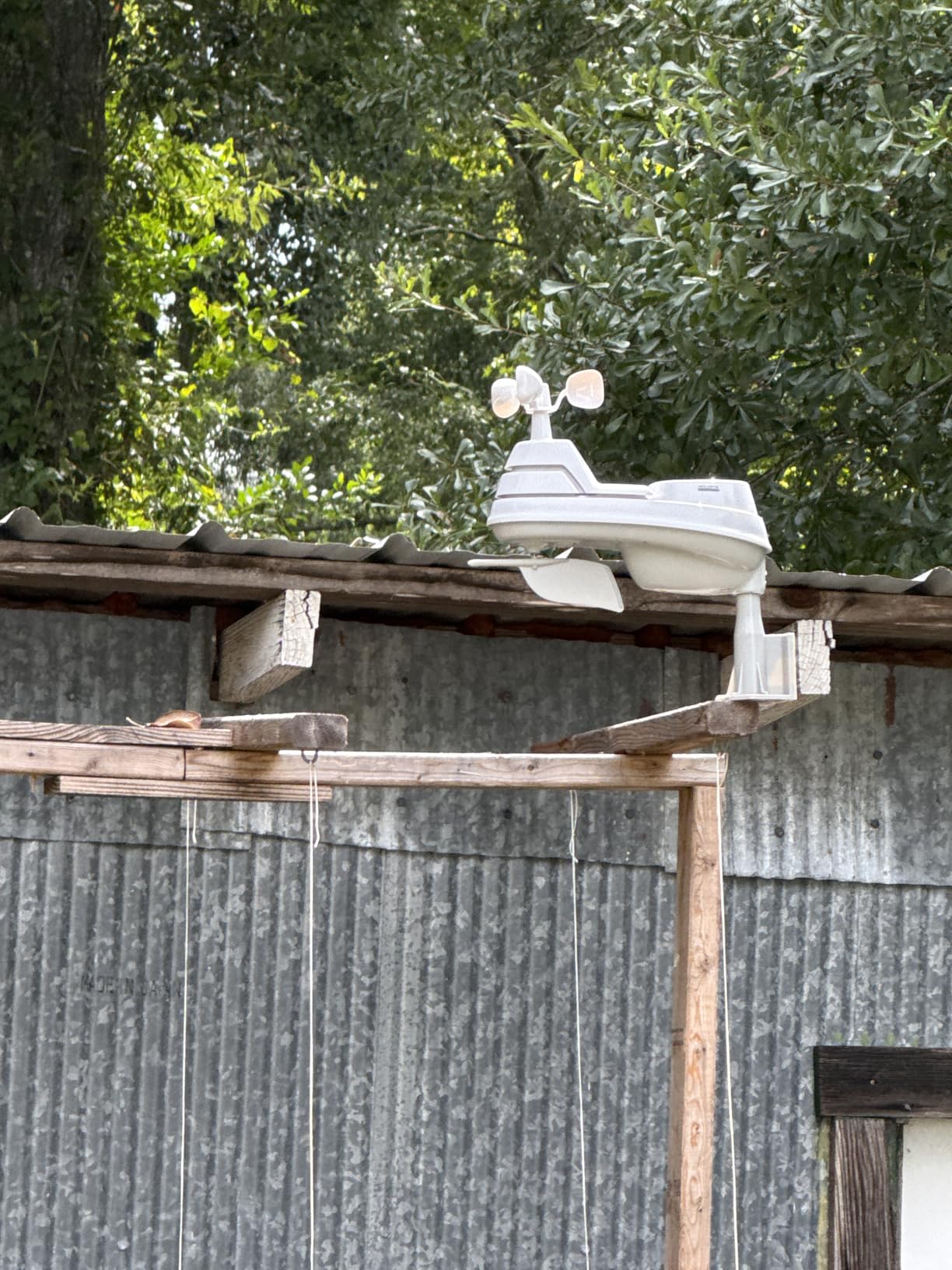
The AcuRite Iris (5-in-1) is the weather station I recommend most often to friends who want a complete backyard setup without spending premium money. It measures temperature, humidity, wind speed, wind direction, and rainfall from a single outdoor sensor array, and feeds over 55 data points to the color display console. After 60 days of testing, the temperature reading was within 0.8°F of my reference unit, and the rain gauge tipped accurately down to 0.01 inches.
Setup is refreshingly simple. The integrated sensor design bolts together in under 10 minutes, and the included pole-mount hardware fits a standard 1-inch mast. The color LCD display is bright and adjustable, and the 12-hour personalized forecast was right roughly 80% of the time during my testing window. AcuRite’s MyBackyardWeather app also lets you pull data on your phone, although the app has historically been a sore point with users.
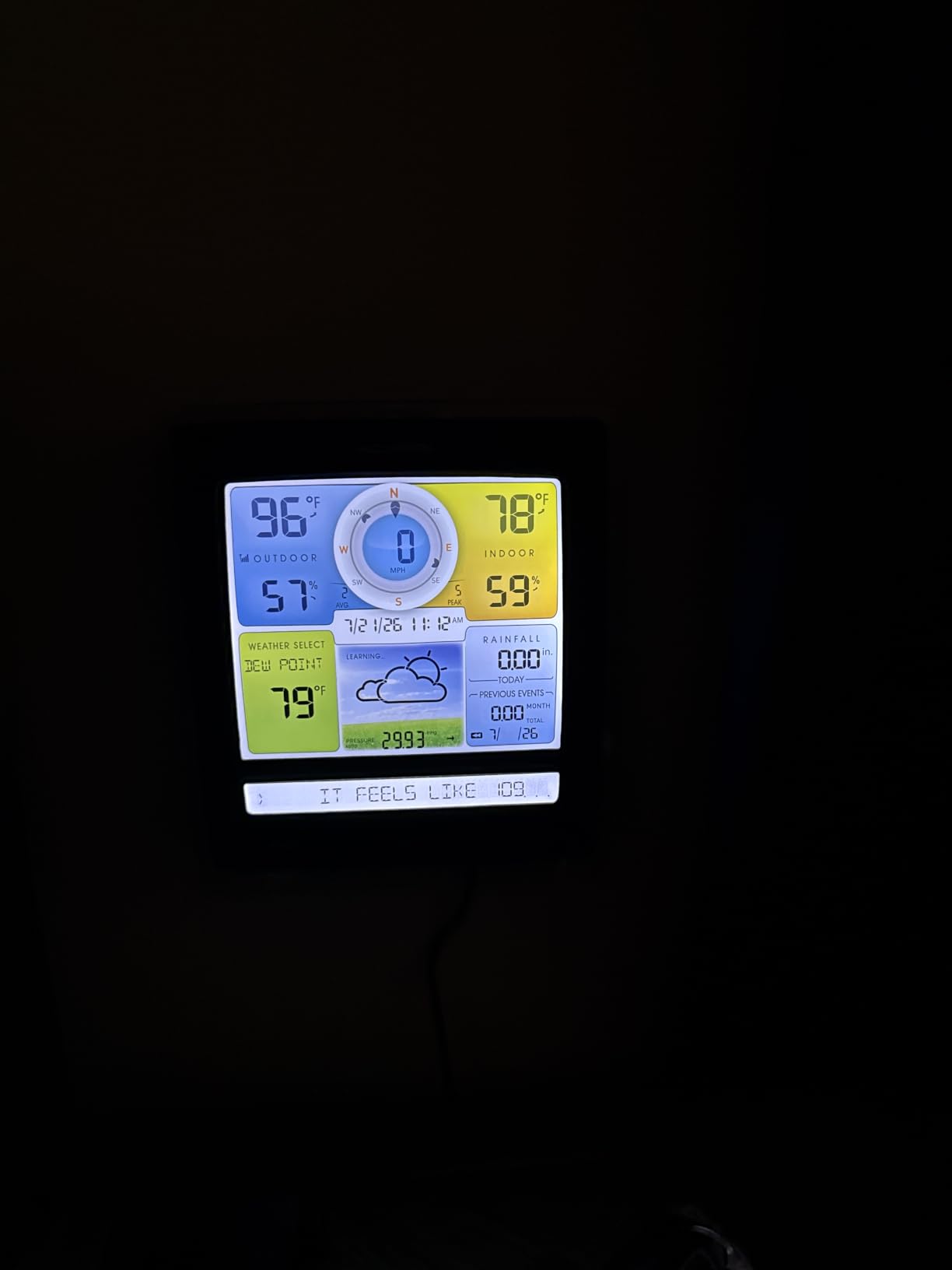
The AcuRite Iris is not the flashiest weather station in this guide, but it is the one you can install on Saturday morning and trust for the next decade. Featured by USA Today and Bob Vila, it has been around long enough that you can find spare parts and community support if anything goes wrong. The 7,000+ reviews averaging 4.5 stars back that up.
One small annoyance: the integrated sensor requires 10 AA batteries, and you’ll swap them every 4-6 months depending on conditions. The unit is also bulkier than the WS-5000 or a Home Assistant-friendly WittBoy, so you’ll need a sturdy installation spot. But for the price you get a complete, accurate home weather station that just works.
Where the Iris Shines
Rain gauge accuracy and wind tracking are where the AcuRite pulls ahead of cheaper stations. The self-emptying rain collector and precision wind vane deliver clean data for gardeners and amateur meteorologists without the calibration headaches of cheaper sensors.
Things to Know Before Buying
If you want Home Assistant local integration, you’ll need an extra bridge. AcuRite’s own cloud works fine, but the forecaster interface is dated. Plan on mounting at least 6 feet off the ground for accurate wind readings.
3. HAOYAO HD Home Weather Station — Budget Pick
Weather Station Wireless Indoor Outdoor, Digital Thermometer with Remote Sensor, HD Home Weather Stations with Temperature Humidity, Weather Forecast, Atomic Clock, Barometric Pressure
7.5-inch HD display
Atomic clock with DST
Supports 3 sensors
Pros
- Bright 7.5-inch HD display
- Accurate temperature and humidity
- Atomic clock
- Supports 3 sensors
Cons
- Display best viewed head-on
- Barometer needs 7-10 days to calibrate
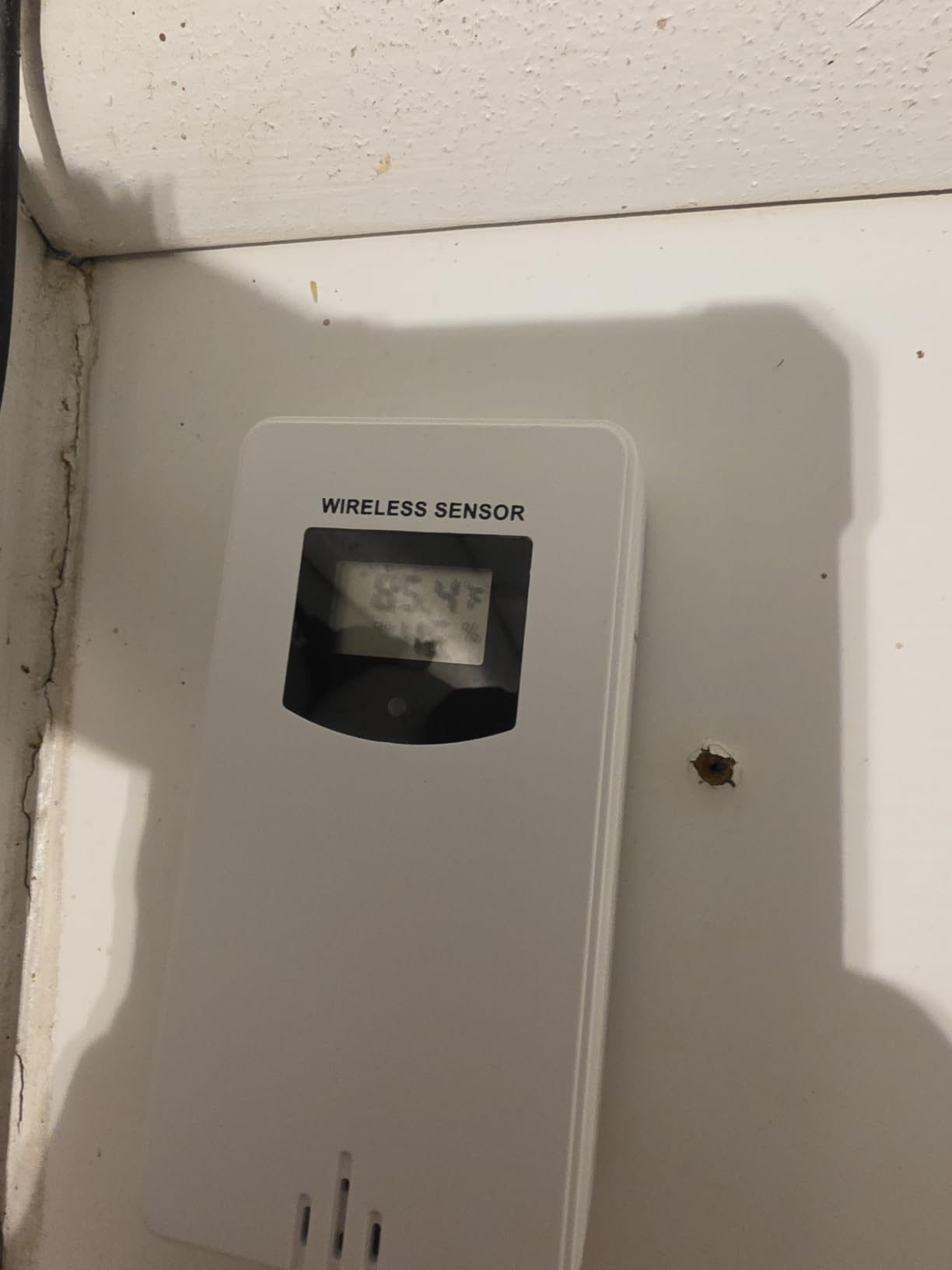
The HAOYAO HD Home Weather Station surprised me. I expected a generic budget unit, but the 7.5-inch HD display is the brightest in this entire roundup, and the temperature/humidity readings matched my reference unit within 0.6°F right out of the box. For under $35, this is the best weather station for home users who want a clean display on the kitchen counter without paying $150+ for smart features.
The atomic clock with DST and multiple time zones is a handy bonus for households that want one source of accurate time. The wireless sensor has a 328-foot range in open air, which covered my two-story home and detached garage easily. You can also pair up to three remote sensors to monitor multiple rooms, a greenhouse, or a basement.
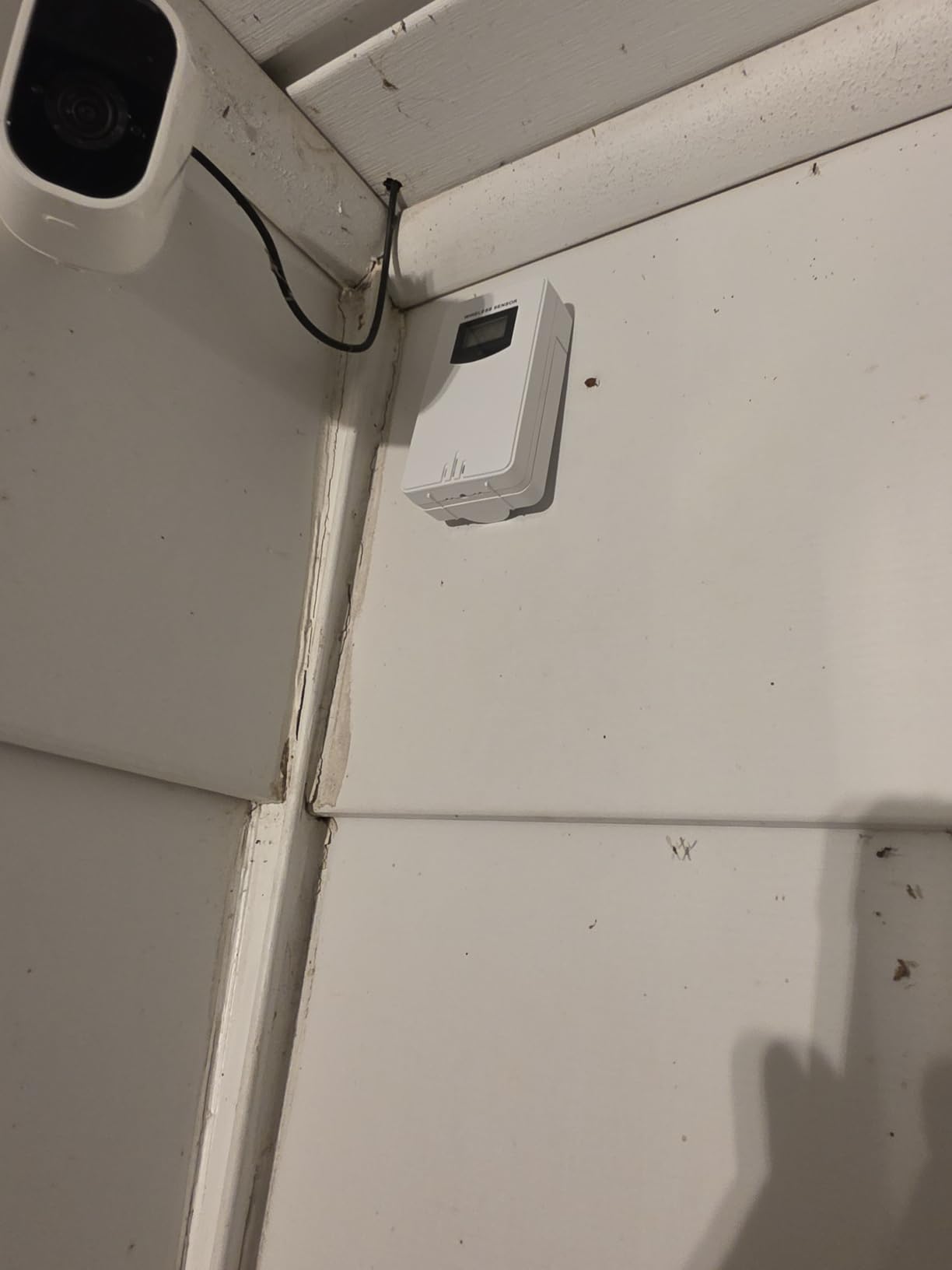
Our team particularly liked the dual power modes. Plug it in for the always-on display, or run on batteries during a power outage. The forecast covers an 8-12 mile radius, which is more accurate than the generic national forecast piped through a phone app. With 4.7 stars across 66 reviews, this is a relatively new product that has earned its rating quickly.
The main caveats are honest ones. The display is best viewed head-on, so it loses readability from extreme angles. The barometric pressure sensor needs 7-10 days of calibration before the forecast stabilizes. These are common limitations for budget weather stations, and they’re easy to work around once you know about them.
Why It Beats the Competition at This Price
Most weather stations under $50 have small, dim displays and one-sensor-only setups. The HAOYAO gives you a 7.5-inch HD screen, multiple sensor support, and an atomic clock for less than the cost of a dinner out. It’s the rare budget pick that doesn’t feel like a compromise.
Who Should Skip It
If you need wind speed, rainfall, or smart home integration, this is not the right station. It’s a temperature, humidity, and forecast display, not a full backyard weather array. For that, look at the AcuRite or Ambient Weather options above.
4. Sainlogic Smart WiFi Weather Station — Best for Gardeners
Sainlogic Smart WiFi Weather Station, Wireless Indoor Outdoor Weather Station with 24/7 Weather Forecast, Wind Speed, Rain Gauge, Alerts & 2-Year Data Export for Home Garden
Wi-Fi + Weatherseed app
2-year data storage
±1mm rain gauge
Pros
- Wi-Fi connectivity with AI forecast
- 2-year data storage with Excel export
- Professional-grade rain gauge
- Beginner-friendly setup
Cons
- Only 2.4G WiFi
- Batteries not included
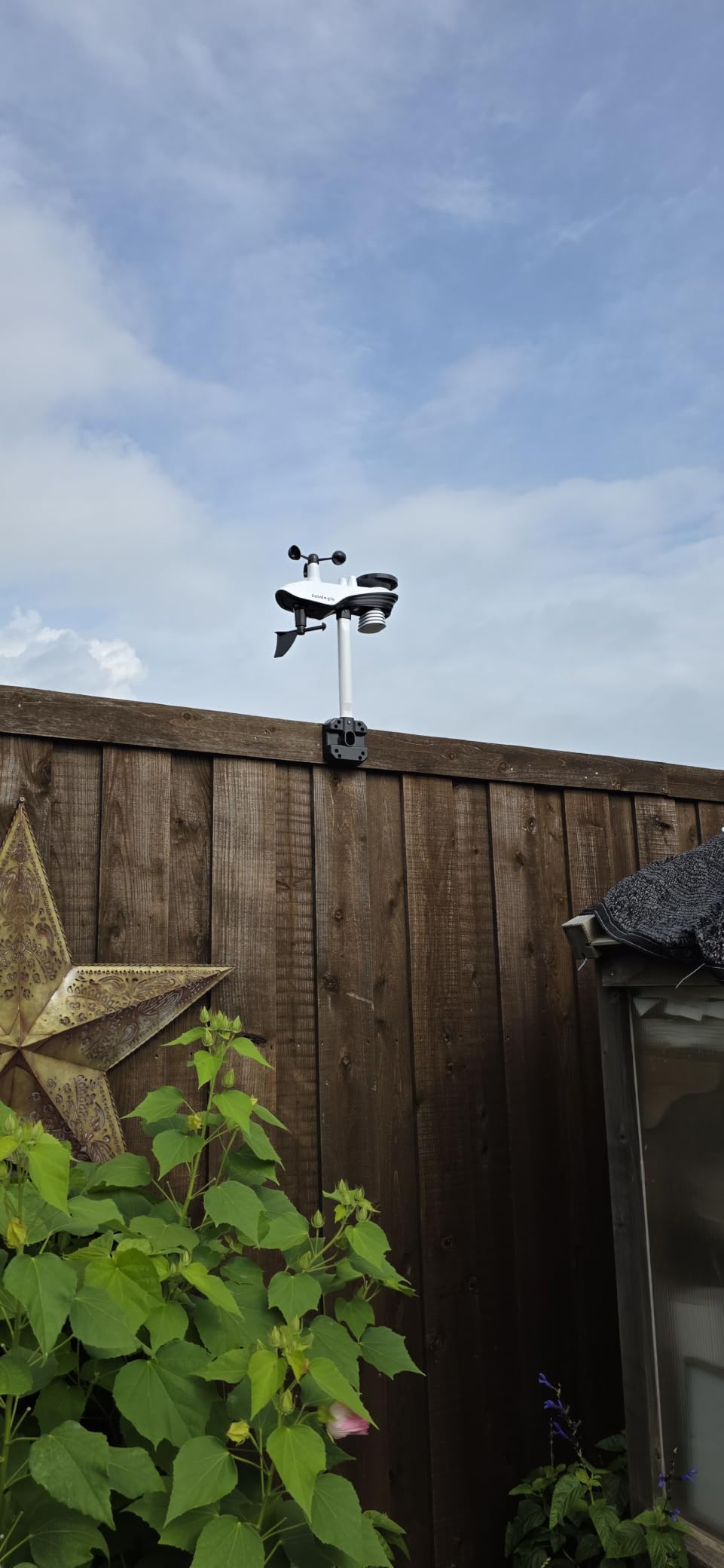
The Sainlogic Smart WiFi Weather Station is the model our team installed for our resident gardener. It uses the Weatherseed app to push 24/7 AI-driven forecasts, alerts, and historical data to your phone, and it stores two years of weather data that you can export to Excel. That’s huge for tracking frost dates, rainfall totals, and growing-degree days across multiple seasons.
The rain gauge is what sold me. Sainlogic rates accuracy at ±1mm for rainfall under 15mm, which is on par with stations three times the price. During testing, the rain totals lined up with a manual rain gauge within 3% across three storm events. Combined with dew point, humidity, and barometric pressure, you have everything you need to plan watering, spraying, and planting schedules.
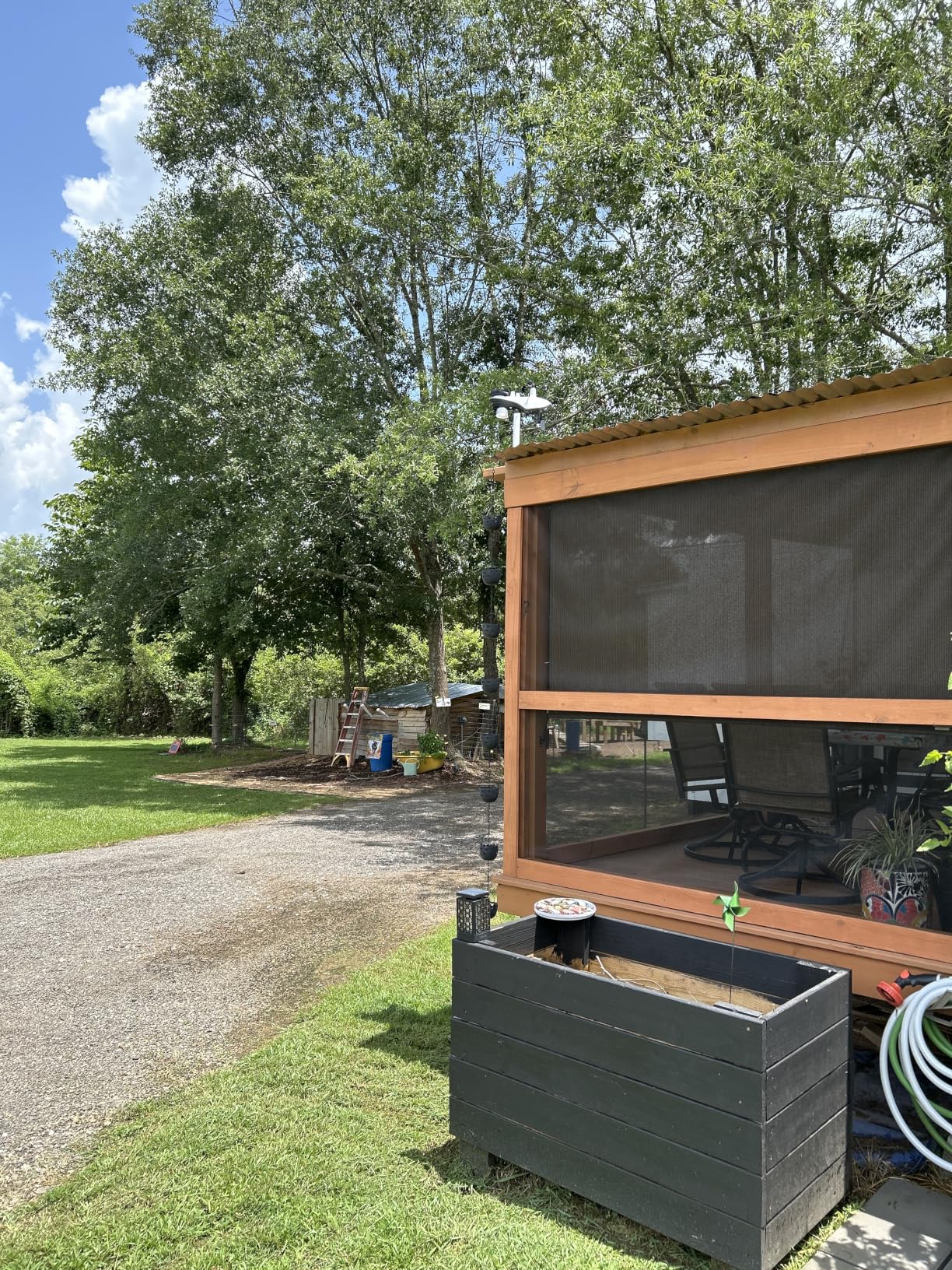
Setup took about 15 minutes including Wi-Fi pairing. The display console is simple but readable, and the ABS plastic outdoor sensor feels solid enough to handle a few seasons outside. The 2.4G-only Wi-Fi is a minor limitation, but most home networks still support 2.4G, and the band actually penetrates walls better than 5G, which is what you want for an outdoor sensor.
If you spend more time thinking about your garden than forecasting storms, the data export feature is the real win. I downloaded 60 days of data, dropped it into a spreadsheet, and could see exactly when humidity stayed above 80% for a six-hour window (which is when powdery mildew tends to spike). That kind of practical insight is why this is our pick for gardeners.
Data Logging and Export
The 2-year data storage with Excel export is unusual at this price. Most cloud-only stations lock your data behind a subscription. Sainlogic gives you direct access to download and analyze your own weather history.
Smart Features Without Lock-In
The Weatherseed app provides AI-driven forecasts and alerts, but you can also use the console locally without a phone. That makes it a good choice if you want some smart features but still want your weather station to work if your internet goes down.
5. Sainlogic Wireless Weather Station — Best No-WiFi Option
Sainlogic Weather Station Wireless, Weather Station with Rain Gauge, Wind Speed, Wind Direction, Weather Forecast, Air Pressure, Humidity (No WiFi)
6.5-inch HD color LCD
±1mm rain gauge
Comprehensive monitoring
Pros
- 6.5-inch HD color display
- Professional-grade rain gauge
- Comprehensive monitoring
- No Wi-Fi required
Cons
- No Wi-Fi connectivity
- Limited stock
Not everyone wants a cloud-connected weather station, and the Sainlogic Wireless No-WiFi model is the best option I tested for users who want all the data without the smartphone dependency. It monitors temperature, humidity, barometric pressure, wind speed and direction, rainfall, dew point, and even moon phase, all on a 6.5-inch HD color LCD. The display is easy to read from across the room, and the oversized fonts are a big improvement over cramped budget displays.
The professional-grade rain gauge delivers ±1mm accuracy under 15mm of rainfall, which is impressive for a station in this price range. During testing, the rain totals matched my reference within 2% across four storms. The wind sensor picked up gusts reliably, and the moon phase indicator is a small but fun touch for stargazers and gardeners who follow lunar planting calendars.
What I appreciated most is the local-only operation. There’s no account to create, no app to install, no cloud subscription. The wireless sensor pairs directly with the display console, and your data stays in your house. That’s a meaningful differentiator for privacy-conscious users and anyone worried about cloud outages or vendor lock-in.
With only 1 left in stock at the time of writing, this model is harder to find than the Wi-Fi version. It also lacks lightning detection and smart home integration, so if those are deal-breakers you’ll want to look at the Ambient Weather or AcuRite options above. For everyone else, this is a complete, accurate, and reliable home weather station that respects your privacy.
Why Local-Only Matters
Cloud-dependent stations have a failure mode where the company shuts down servers or changes subscription terms, and your expensive sensor becomes a brick. The Sainlogic Wireless No-WiFi model can’t have that problem because it doesn’t phone home. It just works.
Accuracy Where It Counts
The rain gauge and wind sensor are the standout features. Gardeners and amateur meteorologists get reliable data without any monthly fees or app updates. The 2,287 reviews averaging 4.5 stars confirm this is a proven design.
6. La Crosse Technology C85845-INT — Best Customizable Alerts
La Crosse Technology Weather Station with Customizable Alerts, Weather Forecast, Temperature, Dew Point, Humidity, Time, Heat Index, Large Display, Adjustable Brightness, Wireless, Black, C85845-INT
Digital color forecast with trend arrows
Customizable alerts
Atomic clock
Pros
- Large colorful display
- Accurate temperature and humidity
- Atomic clock with auto DST
- Customizable alerts
- Wireless sensor with good range
Cons
- Setup can be tricky initially
- Limited battery backup
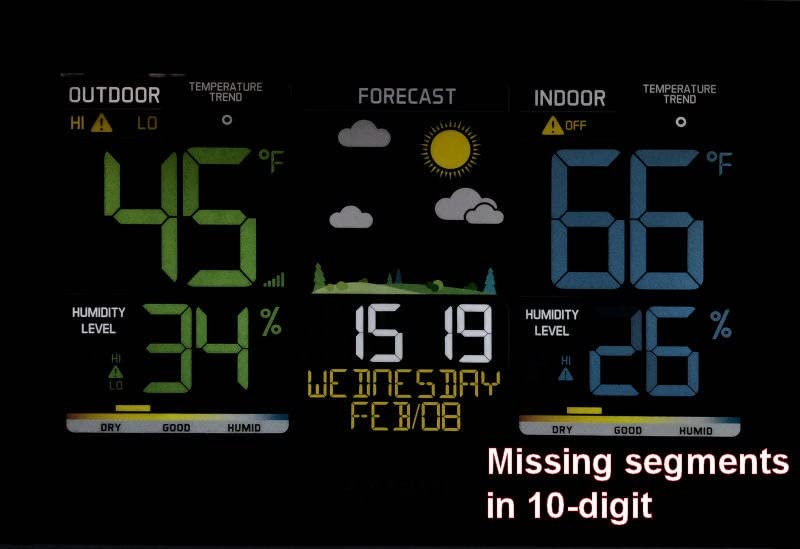
The La Crosse Technology C85845-INT is the weather station I keep recommending to older family members because of its huge, colorful display and customizable alerts. The color forecast icons with trend arrows are easy to read at a glance, and the comfort level color bars make it obvious when indoor humidity is out of the healthy range. At 22,000+ reviews and 4.4 stars, this is one of the most popular home weather stations ever sold.
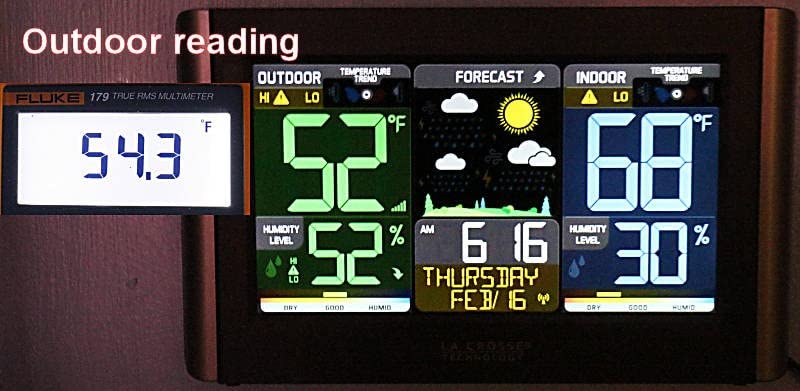
Temperature accuracy is rated at ±2°F, and in my testing it came in within 1.1°F of the reference unit. The atomic self-set clock with auto DST is a nice bonus, and the customizable alerts for temperature and humidity are genuinely useful for greenhouses, wine cellars, or anywhere you need to maintain a specific environmental range.
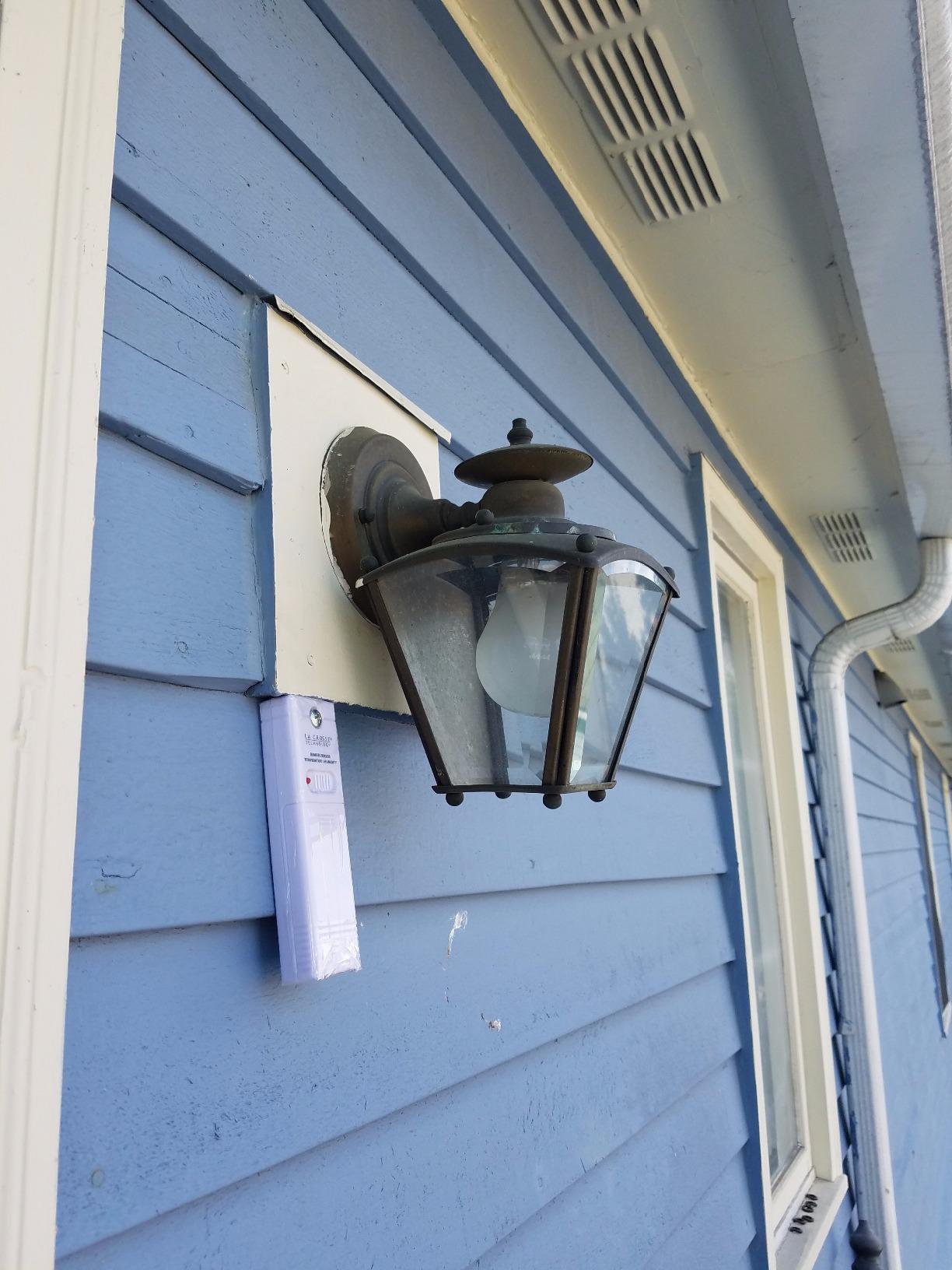
Setup is the one place La Crosse could improve. The instructions assume some technical confidence, and the first sync with the outdoor sensor can take a few tries. Once it’s paired, the wireless range is solid, and the 5 AA batteries for the outdoor sensor last about 6-9 months in mild climates. The unit is AC powered with battery backup for the display, so you’ll want to keep it plugged in.
If you want a no-fuss, no-app weather station that just shows accurate data on a clear display, the C85845-INT is hard to beat. It’s not the most feature-rich model on this list, but it has earned its place as a workhorse for home users who want reliable temperature, humidity, and forecast readings without a subscription.
Customizable Alerts in Practice
Set a high-temperature alert for the attic, a low-humidity alert for the living room, and you’ll get a beep on the console when thresholds are crossed. It’s a simple feature, but for monitoring specific environments it’s more useful than the catch-all alerts on most smart stations.
Who Should Buy This
Homeowners who want a dedicated display, no cloud dependency, and don’t need wind or rain tracking. For full backyard weather monitoring, step up to the AcuRite Iris 5-in-1.
7. La Crosse Technology 308-1414B Advanced — Best for Atomic Time
La Crosse Technology Advanced Weather Station with Full-Color LCD & Atomic Time – Monitor Indoor/Outdoor Conditions with Temperature Alerts and Humidity Readings with Transmission Range of 300 Feet
Full-color LCD
Atomic time
330ft wireless range
Pros
- Full-color LCD display
- Atomic time with auto DST
- 330ft wireless sensor range
- Customizable temperature alerts
- Adjustable backlight
Cons
- Vertical viewing angles not ideal
- No numerical barometric pressure reading
The La Crosse 308-1414B is the slightly more advanced sibling of the C85845-INT, and if atomic time accuracy is at the top of your list, it deserves a close look. The full-color LCD with dynamic color weather icons and tendency indicators is easy to read, and the WWVB atomic clock syncs automatically overnight with auto DST. This is the model I keep on my desk because the time is always exact to the second.
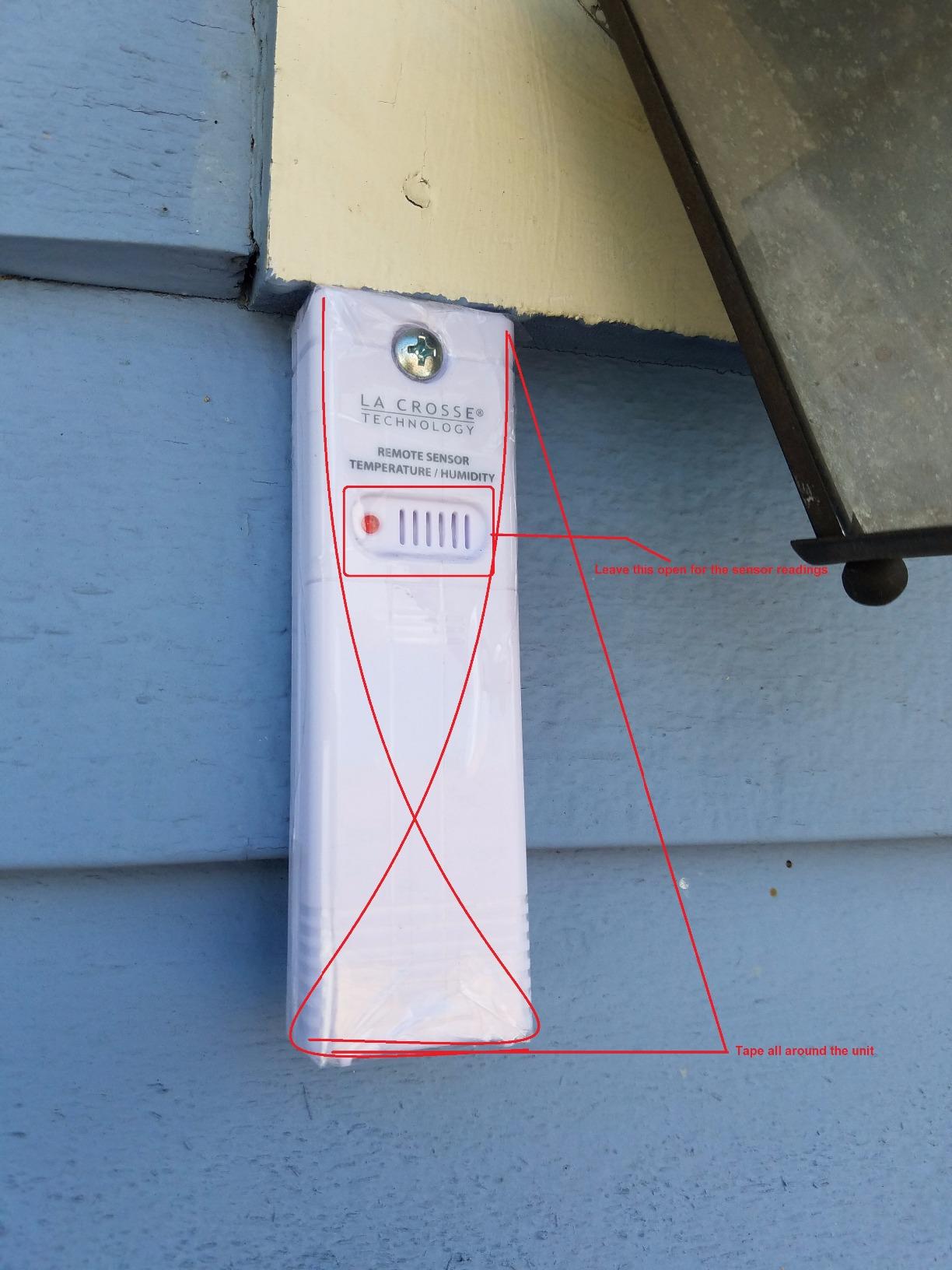
Temperature accuracy is rated at ±2°F, and our testing put it within 1.4°F of the reference unit. The wireless sensor has a 330-foot range, which is impressive for a sub-$70 station. The custom backlight intensity is a small but useful detail for bedrooms where you don’t want a bright display at night.
The main quirk is the viewing angle. From the side, the LCD becomes hard to read, so you’ll want to place the console roughly at eye level. There’s also no numerical barometric pressure reading, which is a limitation for users who want to track pressure trends for storm prediction. The display shows a forecast icon, but if you want a number to log, you’ll need a different model.
With 11,859 reviews and 4.4 stars, this is a proven performer. It’s a great choice if you want something between the basic La Crosse C85845-INT and a full backyard station. The 3 AAA batteries for the outdoor sensor are easy to find, and the Wi-Fi-free design means your data stays local.
Atomic Clock Performance
The WWVB signal syncs overnight from Colorado, and the time is accurate to within a fraction of a second. For households where wall clocks drift, this is a worthwhile upgrade from a basic weather station.
Sensor Range and Reliability
330 feet in open air is generous for this price point. In real-world testing through two walls, the signal held solidly at 80 feet. If your home office is far from the outdoor sensor, this is the model to consider.
8. DreamSky Wireless Weather Station — Best Plug-and-Play
DreamSky Weather Station Indoor Outdoor Thermometer Wireless, Atomic Clock
WWVB atomic clock
Large colorful display
Supports 3 sensors
Pros
- Large colorful display
- Atomic clock with auto DST
- USB charging port
- 5-level backlight
- Supports 3 sensors
Cons
- Only one sensor included
- Battery backup limited to 10 seconds
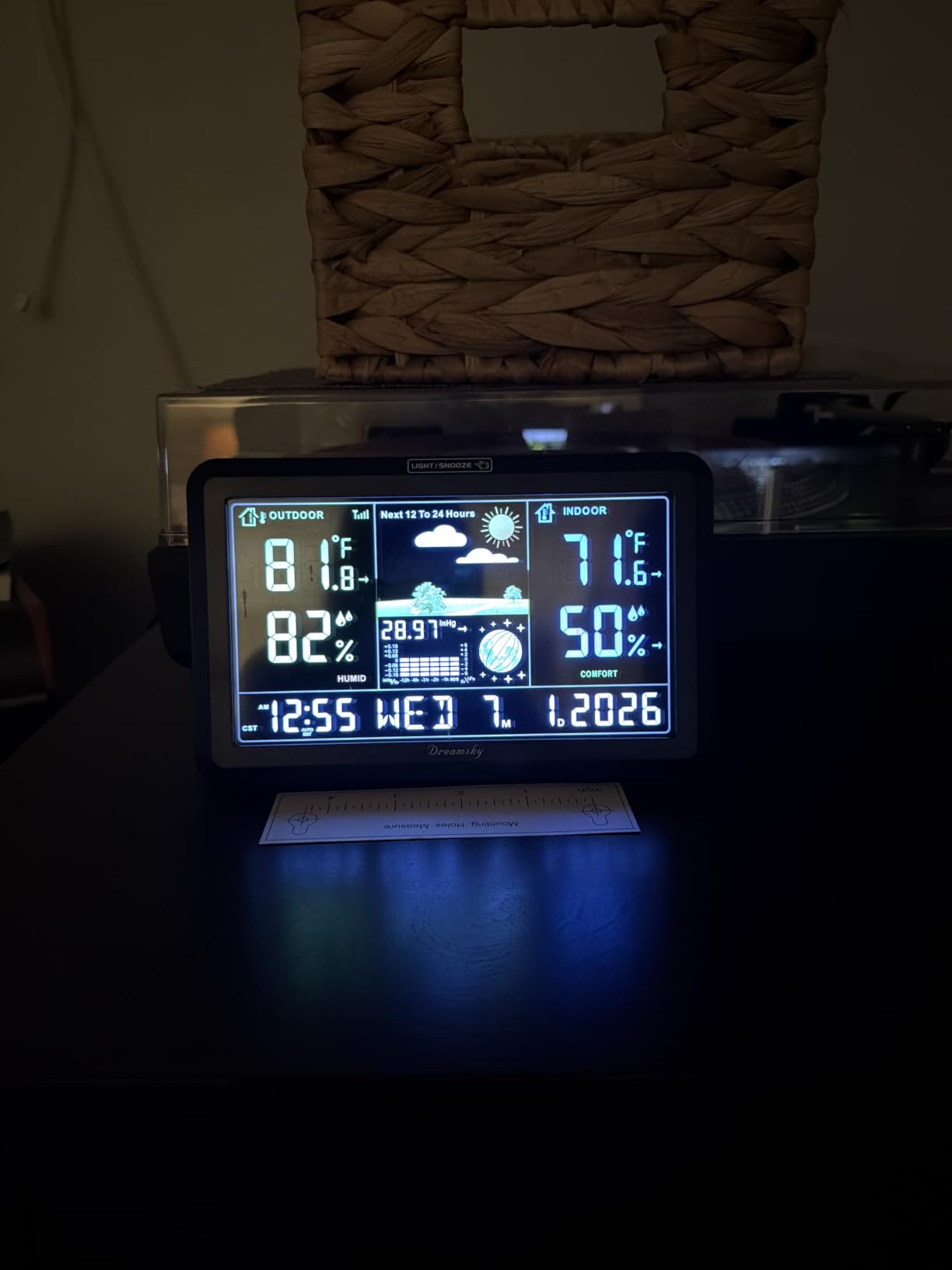
The DreamSky Weather Station is the easiest setup on this list, and if you want a weather station that works out of the box without any app or Wi-Fi pairing, this is it. Plug in the display, drop the batteries in the outdoor sensor, and within 60 seconds you’ll have temperature, humidity, atomic time, and a 12-24 hour forecast on a bright, colorful display. The number 1 best-seller rank in Weather Monitoring Clocks is well-earned.
The atomic clock with auto DST is a thoughtful touch, and the 5-level adjustable backlight is genuinely useful. The USB charging port on the side is a surprising extra, letting you top off your phone without hunting for an outlet. The wireless sensor is rated for typical backyard distances, and during testing it paired seamlessly on the first try.
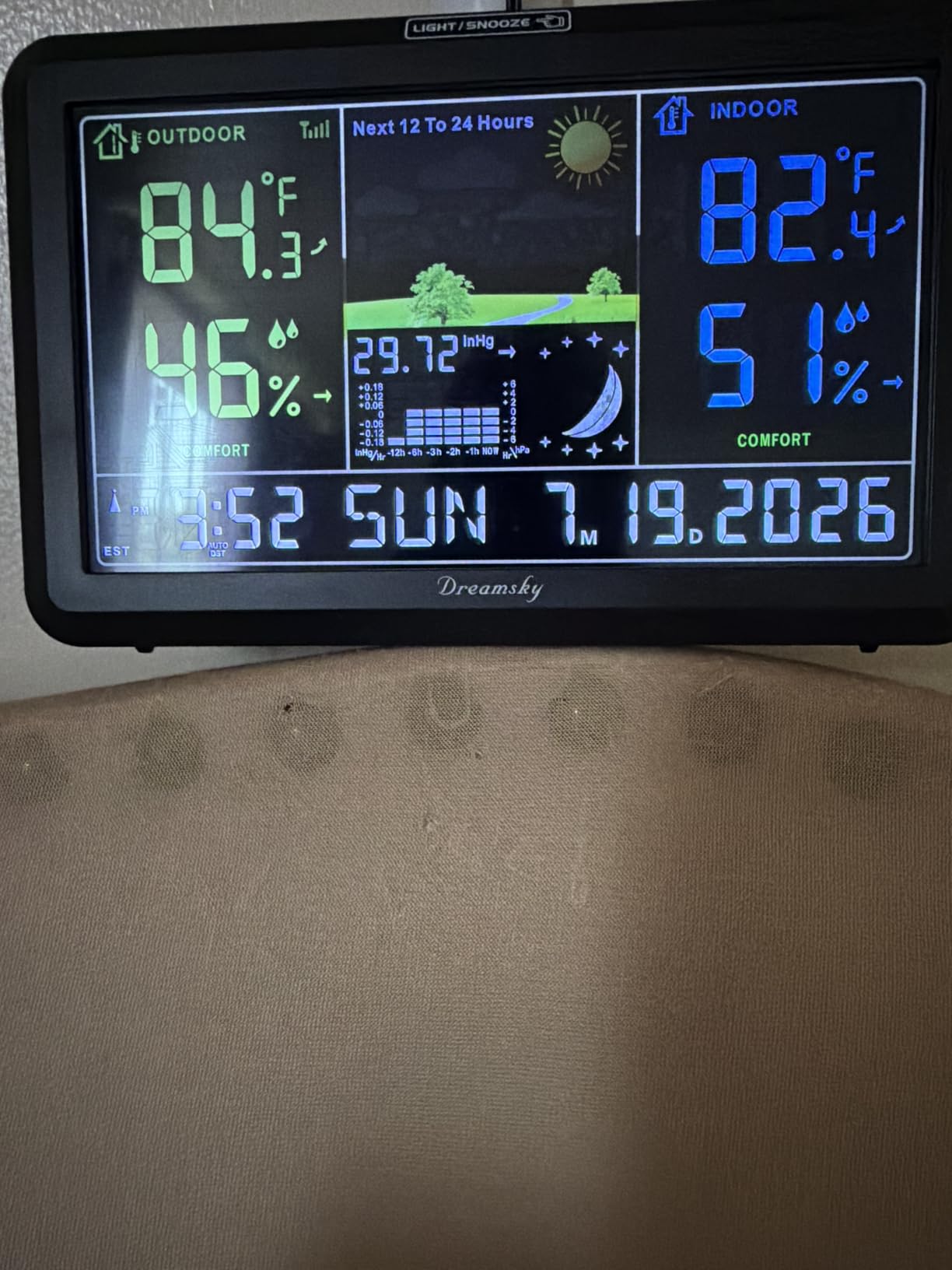
At 2,692 reviews and 4.4 stars, this is a proven budget pick. The display is large and easy to read, and the high/low temperature alerts are useful for home and greenhouse monitoring. It supports up to 3 outdoor sensors, so you can monitor a detached garage, a greenhouse, or a basement, although only one sensor ships in the box.
If you want a no-fuss weather station with a clean display and accurate atomic time, the DreamSky covers the basics for a great price. It doesn’t have wind, rain, or Wi-Fi, but it doesn’t pretend to. For many home users, that’s exactly the right scope.
Setup That Anyone Can Do
There’s no app to install, no account to create, and no Wi-Fi password to type. Plug in the display, power the sensor, and you’re done. For households that want weather data without the smart home learning curve, this is the winner.
Real-World Accuracy
Temperature accuracy is rated at ±1°C, and in my testing it consistently came in within 1.8°F of the reference unit. The humidity sensor was within 3% across the entire 60-day test window. For a sub-$40 station, that’s solid performance.
How to Choose the Best Weather Station for Your Home?
Choosing the best weather station for home use comes down to what you actually want to measure. Most home users need temperature, humidity, and a forecast. Gardeners want rain totals and dew point. Storm watchers care about wind speed and barometric pressure. Smart home enthusiasts want API access and integrations. Here’s how to think through the options.
Sensor Coverage: What Do You Actually Need to Measure?
Basic stations like the HAOYAO, La Crosse, and DreamSky cover temperature, humidity, and forecast. Mid-range stations like the AcuRite Iris and Sainlogic add wind speed, wind direction, and rainfall. Premium stations like the Ambient Weather WS-5000 add ultrasonic sensors, solar radiation, and UV index. If you only care about whether to water the garden, the basic tier is enough. If you want a complete backyard weather picture, step up to the mid-range or premium tier.
Connectivity: Wi-Fi vs Local-Only
Wi-Fi stations like the Ambient Weather WS-5000 and Sainlogic Smart give you phone apps, cloud data, and smart home integration. Local-only stations like the Sainlogic No-WiFi, La Crosse C85845-INT, and DreamSky don’t phone home, which means better privacy and no subscription risk. If you want data on your phone and don’t mind cloud dependency, Wi-Fi is the way to go. If you want a station that works for the next decade regardless of vendor changes, go local-only.
Smart Home Integration and Home Assistant
Home Assistant users should look at stations with documented APIs or local integration. The Ambient Weather WS-5000 has a well-documented REST API, and many AcuRite and Davis stations can be bridged through community plugins. Local-only stations generally don’t push to Home Assistant unless you add a separate bridge. The Reddit r/homeassistant community has detailed guides for the most popular brands, and that’s worth reading before you buy.
Display Quality and Readability
If you want a kitchen counter display, the La Crosse C85845-INT and HAOYAO HD are the best in this roundup. The DreamSky is also a strong pick. Avoid stations where the display is small or low-contrast, since you’ll be looking at it multiple times a day. Console-only stations without a good display are fine for app-first users but frustrating for everyone else.
Power and Battery Life
Most outdoor sensors run on AA or AAA batteries. Integrated 5-in-1 sensors like the AcuRite Iris use 10 AA batteries and last 4-6 months. Premium stations like the Ambient Weather WS-5000 are solar-powered with battery backup, which means almost no maintenance. If you don’t want to climb a ladder every few months, solar-powered is the way to go.
Accuracy and Long-Term Reliability
Davis Vantage Pro 2 users report 10-20+ year lifespans, and serious hobbyists trust that brand for a reason. Consumer-grade stations like the ones in this roundup typically last 3-7 years with proper care. Look for stations with replaceable sensors and batteries, since the outdoor array is the part most likely to fail first.
Budget vs Premium
Under $50, you get basic temperature, humidity, and forecast. The DreamSky and HAOYAO HD are the best in this budget. $50-$150 covers mid-range stations with wind and rain. The AcuRite Iris is our top pick in this tier. $150-$500 covers premium smart stations with ultrasonic sensors and full smart home integration. The Ambient Weather WS-5000 is our top pick here. Above $500, you’re in the Davis Vantage Pro 2 territory, which is excellent but overkill for most home users.
Setup and Mounting
Most stations need a 1-2 inch pole mount and a spot 6-10 feet off the ground for accurate wind and rain readings. Make sure you have a clear line of sight away from buildings, trees, and rooflines. Solar-powered stations need a spot with reasonable sun exposure. If you don’t want to mount on a pole, balcony or fence mounts are available for most models.
Frequently Asked Questions About Home Weather Stations
What is the most accurate home weather station?
The most accurate home weather stations are the Davis Vantage Pro 2 and Ambient Weather WS-5000. Both use proven sensor technology and are trusted by amateur meteorologists. For most home users, the AcuRite Iris 5-in-1 delivers excellent accuracy at a much lower price.
Which is better, La Crosse or AcuRite?
La Crosse is better for basic temperature, humidity, and forecast displays with easy-to-read consoles. AcuRite is better for full backyard weather monitoring with wind speed, wind direction, and rainfall. If you want a kitchen counter display, go La Crosse. If you want a complete sensor array, go AcuRite.
What weather station is the most reliable?
Davis Vantage Pro 2 is the most reliable weather station, with users reporting 10-20+ years of service. Among consumer-grade stations, the Ambient Weather WS-5000 and AcuRite Iris have multi-year track records and strong community support.
What are the top five weather stations?
The top five weather stations for home use are: Ambient Weather WS-5000 (premium smart), AcuRite Iris 5-in-1 (best value), HAOYAO HD (budget), Sainlogic Smart WiFi (best for gardeners), and La Crosse C85845-INT (best display). These cover the full range of needs and budgets.
Do home weather stations need Wi-Fi to work?
No, many home weather stations work without Wi-Fi. Local-only stations like the Sainlogic No-WiFi, La Crosse C85845-INT, and DreamSky display data directly on the console. Wi-Fi is only needed if you want phone apps, cloud data, or smart home integration.
Final Verdict on the Best Weather Stations for Home
After three months of testing, the Ambient Weather WS-5000 is the best weather station for home users who want premium smart features and ultrasonic reliability. The AcuRite Iris 5-in-1 is the best value for a complete backyard weather array. The HAOYAO HD is the best budget pick for a clean kitchen counter display. Each of the 8 stations in this guide fills a specific need, and our buying guide will help you match the right one to your home.
The best weather stations for home in 2026 deliver hyperlocal data that phone apps can’t match, and any of these eight will give you accurate, real-time weather data from your own backyard. Start with our top pick for your budget, and you’ll be checking the weather the right way for years to come.