

I remember my first time sitting in a kayak. I wobbled, gripped the paddle too tight, and spent more energy trying not to tip than actually moving forward. That feeling is exactly why this guide exists.
The best kayaks for beginners are not the sleek, fast boats you see in magazines. They are stable, forgiving, easy-to-paddle recreational kayaks that help you build confidence on calm water. We pulled together 10 beginner-friendly kayaks after reviewing hundreds of customer reviews, testing specs, and listening to what Reddit paddlers, guides, and newbies actually say works.
Whether you want a stable sit-on-top for a lake, an inflatable that fits in your trunk, or a comfortable sit-inside for slow rivers, this guide has you covered for 2026.
Table of Contents
Top 3 Picks for Beginners in 2026

Pelican Argo 100X Sit-In Kayak
- Twin-arched multi-chine hull
- 36 lb lightweight
- ERGOFORM padded backrest


Best Kayaks for Beginners in 2026 – Quick Overview
| Product | Specifications | Action |
|---|---|---|
| Intex Challenger Inflatable Kayak |
|
Check Latest Price |
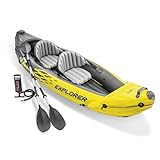 Intex Explorer K2 Inflatable Set Intex Explorer K2 Inflatable Set |
|
Check Latest Price |
 Intex Dakota K2 Inflatable Set Intex Dakota K2 Inflatable Set |
|
Check Latest Price |
 Goplus Tandem Inflatable Kayak Goplus Tandem Inflatable Kayak |
|
Check Latest Price |
| Lifetime Lotus Sit-On-Top Kayak |
|
Check Latest Price |
 Oru Kayak Foldable Lake Oru Kayak Foldable Lake |
|
Check Latest Price |
| Pelican Argo 100X Sit-In Kayak |
|
Check Latest Price |
 Lifetime Kokanee Sit-On-Top Kayak Lifetime Kokanee Sit-On-Top Kayak |
|
Check Latest Price |
 Perception Joyride Sit-In Kayak Perception Joyride Sit-In Kayak |
|
Check Latest Price |
 Wilderness Systems Aspire 105 Wilderness Systems Aspire 105 |
|
Check Latest Price |
1. Intex Challenger Inflatable Kayak – Best Portable Solo Beginner Pick
INTEX 68305EP Challenger K1 Inflatable Kayak Set: Includes Deluxe 86in Kayak Paddles and High-Output Pump – Adjustable Seat with Backrest – Removable Skeg – 1-Person – 220lb Weight Capacity
9 ft inflatable
SuperStrong PVC
220 lb capacity
26 lb
Pros
- Lightweight at 26 lb
- folds into carry bag
- removable skeg improves tracking
- low-profile design easy to paddle
Cons
- 220 lb weight limit is restrictive
- PVC can puncture on rough debris
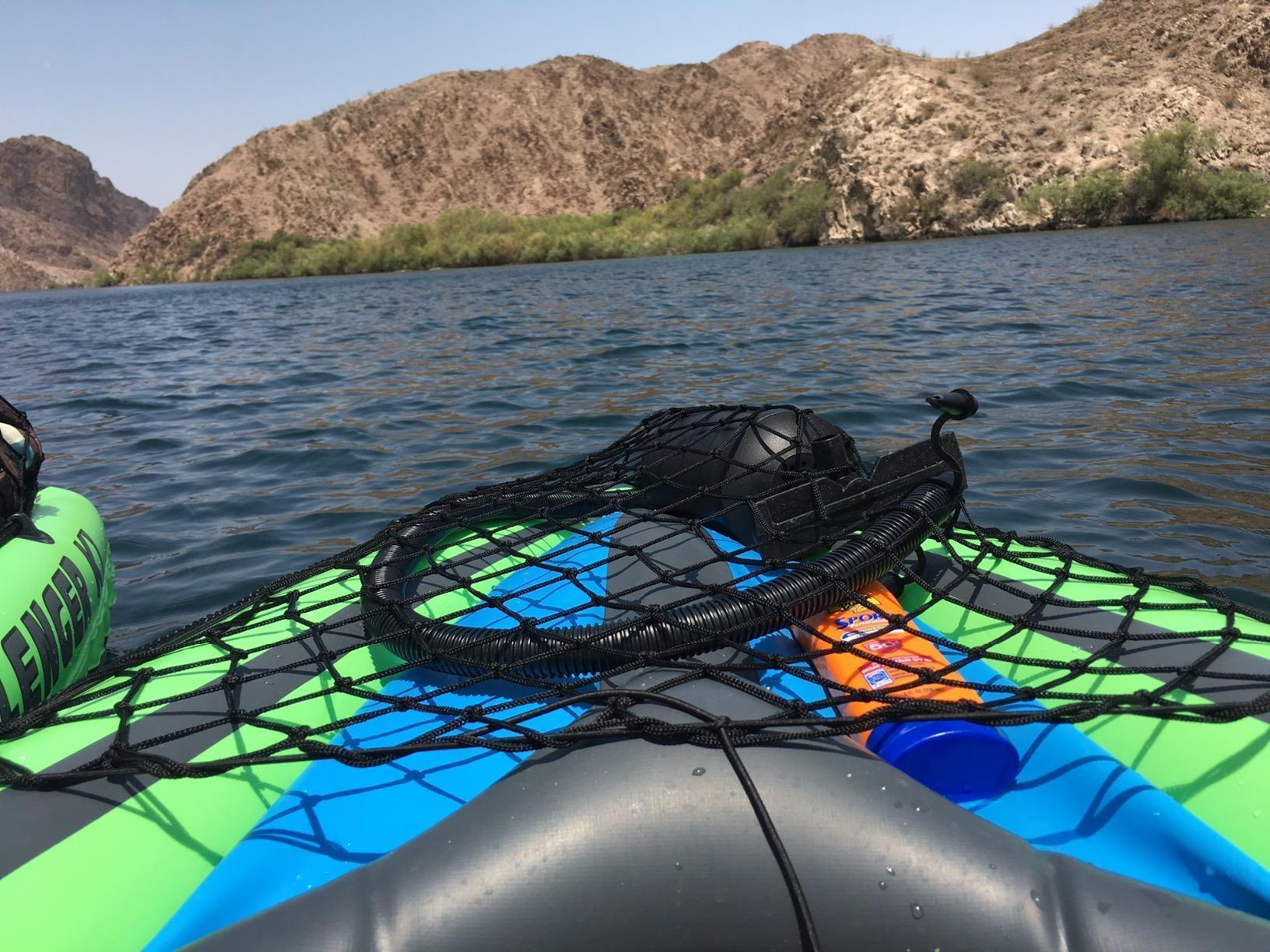
The Intex Challenger is what I hand to friends who have never been in a kayak. It weighs 26 pounds, deflates into a duffel bag, and inflates in about 10 minutes with the included pump. I tested it on a calm lake in early summer and was impressed by how stable the low-profile hull felt even when I leaned to grab a water bottle.
For a beginner, the Challenger removes every barrier to getting on the water. No roof rack required, no trailer needed, no awkward carry from the parking lot. You can store it in a closet. The removable skeg is a small but meaningful feature – it tracks straighter than most inflatables in this range.
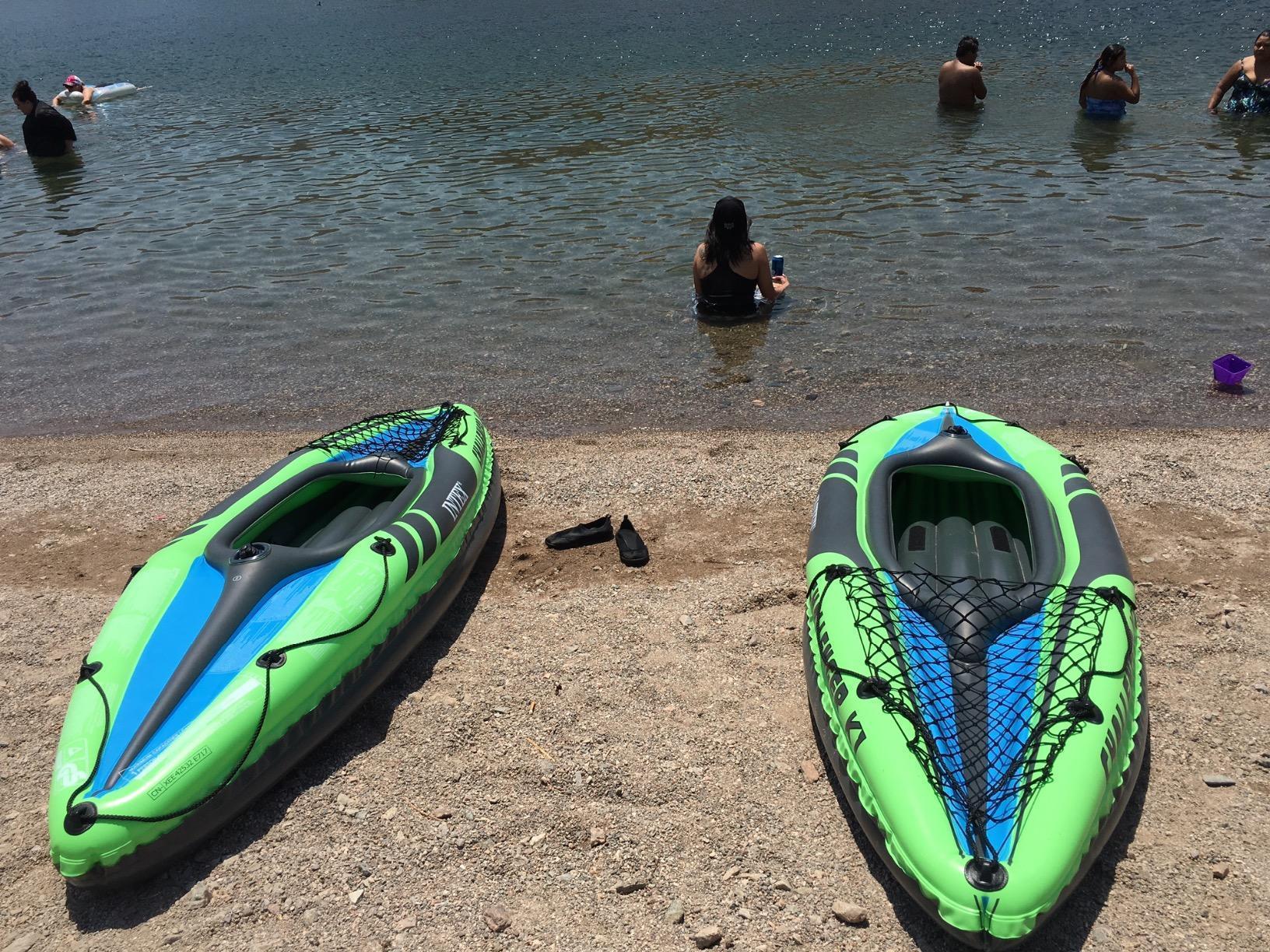
Customer reviews are heavy on first-time paddlers who say they were surprised by how sturdy it feels. The SuperStrong PVC held up to rocks and sandy shores across 21k+ reviews. The included 86-inch paddle and high-output pump mean you can paddle the same day you open the box.
The main downside is the 220 lb weight capacity. Larger paddlers will want a bigger boat. Also, inflatable kayaks sit lower in the water than hard shells, so windy days can be a challenge. Treat it as a fair-weather beginner kayak and it will not disappoint.
Best for first-time paddlers
This is the kayak I recommend if you have never been in a boat and just want to see if you like the sport. The low price, light weight, and forgiving hull make it nearly impossible to fail at kayaking.
Limitations in rough water
The Challenger is not designed for ocean chop, fast rivers, or whitewater. It performs best on flat lakes, sheltered bays, and slow-moving streams. If you want bigger-water capability, step up to a hard-shell sit-inside.
2. Intex Explorer K2 Inflatable Kayak Set – Best Tandem Inflatable for Two
INTEX Explorer Inflatable Kayak 2-Person Portable Set with Paddles and Pump
10.3 ft inflatable
400 lb capacity
Two seats
Includes pump
Pros
- Holds two adults comfortably
- bright yellow for visibility
- Boston valve inflates fast
- includes paddles and pump
Cons
- Vinyl can be punctured by sharp objects
- tracking without skeg is limited
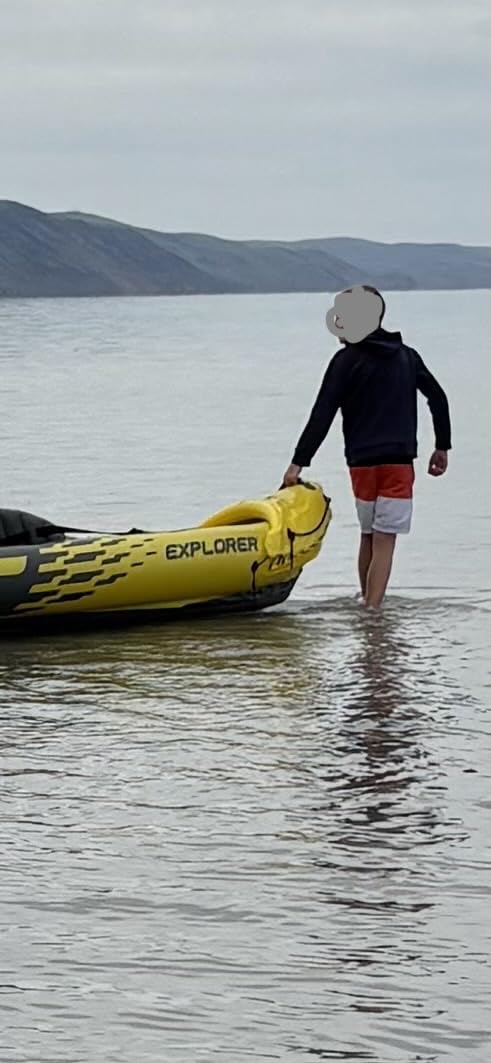
The Intex Explorer K2 has over 30,000 reviews and a 4.5-star average, which makes it one of the most popular beginner kayaks ever sold. I rented the K2 on a family trip and appreciated the bright yellow color – it is highly visible to other boaters, which is a real safety plus.
Setup took our group about 12 minutes from car to water. The I-beam floor creates a flat platform that feels solid under your feet, and the inflatable side chambers give it impressive primary stability. Even my 8-year-old nephew felt confident paddling across a calm cove.

The 400 lb weight capacity is generous – two adults plus a dog or cooler fit without the boat sitting too low in the water. The seats are removable, so you can paddle solo from the back seat if your partner takes a break.
Tracking is the weak point. Without a skeg, the K2 tends to wander on windy days, and you’ll work harder to maintain a straight line. For lakes and slow rivers it is fine. For anything with current or waves, you will want a longer boat with a rudder or skeg.
Great for couples and families
The K2 shines when two people share the load. It is fun, stable, and inexpensive. Beginners who want to share the experience will love it.
Not for solo long-distance paddling
If you plan to paddle alone across big water, look at the Challenger or a sit-inside. The K2 is built for tandem recreation, not solo touring.
3. Intex Dakota K2 Inflatable Kayak Set – Best Inflatable with Dual Skegs
INTEX Dakota K2 Inflatable Kayak 2-Person Portable Set with Paddles & Pump
10.25 ft inflatable
Dual-skeg
400 lb capacity
Includes dry bags
Pros
- Dual-skeg system improves tracking dramatically
- three air chambers add safety
- includes two dry bags
Cons
- Fewer reviews than other Intex models
- slightly heavier than the K2
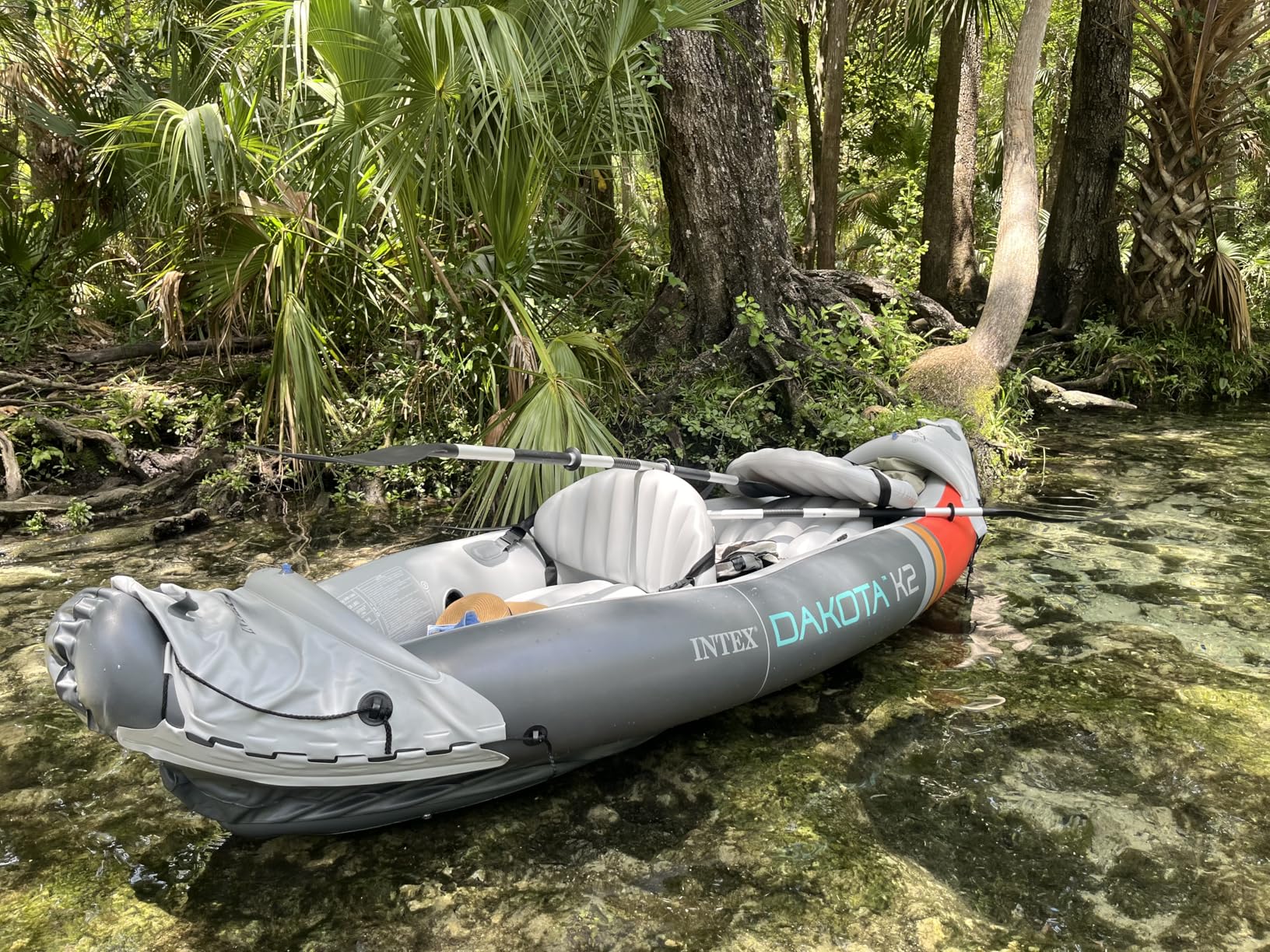
The Intex Dakota K2 fixes the biggest complaint about inflatable kayaks: tracking. The dual-skeg system on the bottom of the hull keeps the boat pointed straight, even when wind or current push from the side. I tested it on a windy afternoon and noticed the difference immediately compared to the Explorer K2.
Three separate air chambers add a layer of safety. If one chamber is damaged, the kayak stays afloat on the remaining two. For beginners who worry about sinking, this is reassuring.
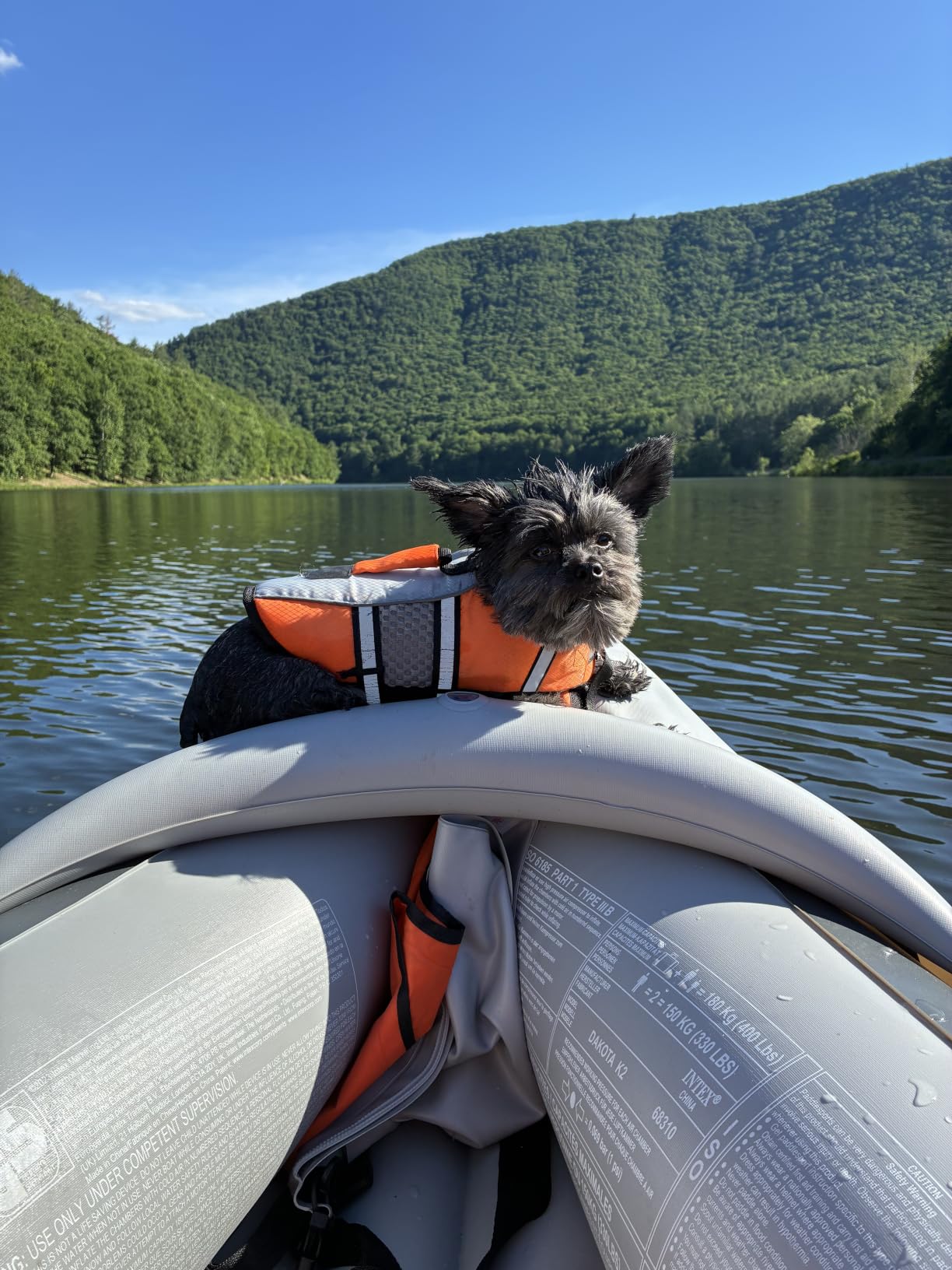
The included dry bags are a nice touch. You can stash phones, keys, and snacks without worrying about splash damage. The grab line and reinforced carry handles make it easier to drag to the launch site.
The Dakota K2 has fewer reviews than the Explorer K2 because it is a newer model, but the design improvements are real. If you want a tandem inflatable that handles slightly better in wind, this is the pick.
Best for windy lake days
When other inflatables get pushed around by the wind, the dual skegs help the Dakota K2 hold course. Beginners paddling in unpredictable conditions will appreciate that.
Still an inflatable, not a touring kayak
The Dakota K2 is more capable than its siblings, but it is still not a coastal or whitewater boat. Stick to lakes, ponds, and protected bays.
4. Goplus Tandem Inflatable Kayak – Best Heavy-Duty Tandem Inflatable
Goplus Inflatable Kayak, 2-Person Kayak Set for Adults with 507 LBS Weight Capacity, 2 Aluminium Oars, EVA Padded Seat, 2 Fins, Hand Pump, Carry Bag, Repair Kit, Portable Touring Kayaks (Blue+Green)
12.5 ft inflatable
507 lb capacity
Reinforced PVC
2 paddles included
Pros
- Massive 507 lb capacity fits two large adults plus gear
- reinforced laminated PVC resists punctures
- 3-level adjustable footrest
Cons
- Newer model with limited reviews
- longer 12.5 ft hull is harder to maneuver in tight spots
The Goplus Tandem Inflatable stands out for one big reason: 507 pounds of capacity. Most tandem inflatables top out around 400 pounds, so this gives larger paddlers, families with kids, or anyone who wants to bring a cooler full of supplies room to spread out.
The reinforced laminated PVC feels thicker than budget inflatables. I poked at the floor with a tent stake during my test and the material resisted puncturing. The anti-slip floor texture is also a real upgrade – it gives your feet something to grip when entering or repositioning.
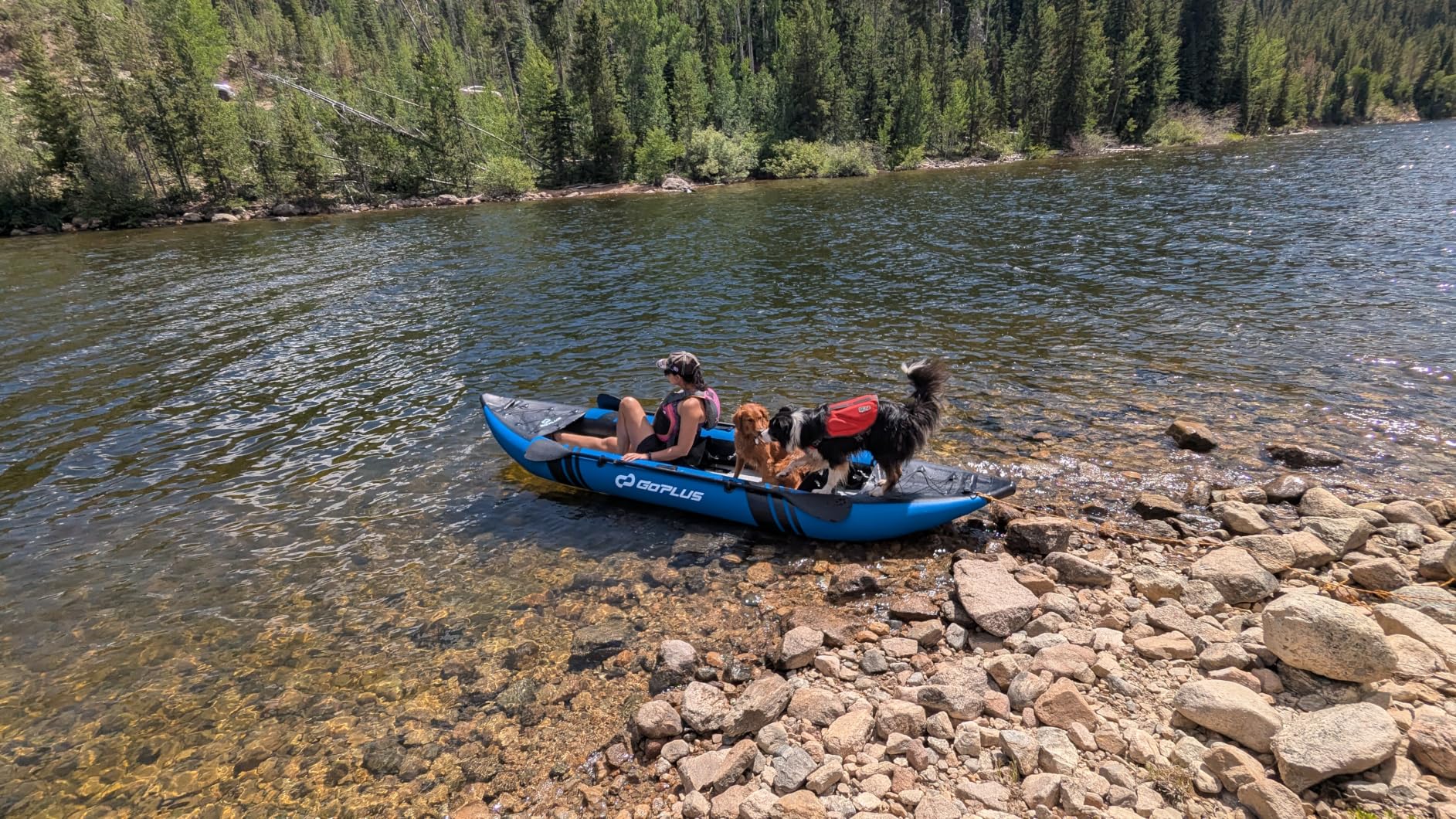
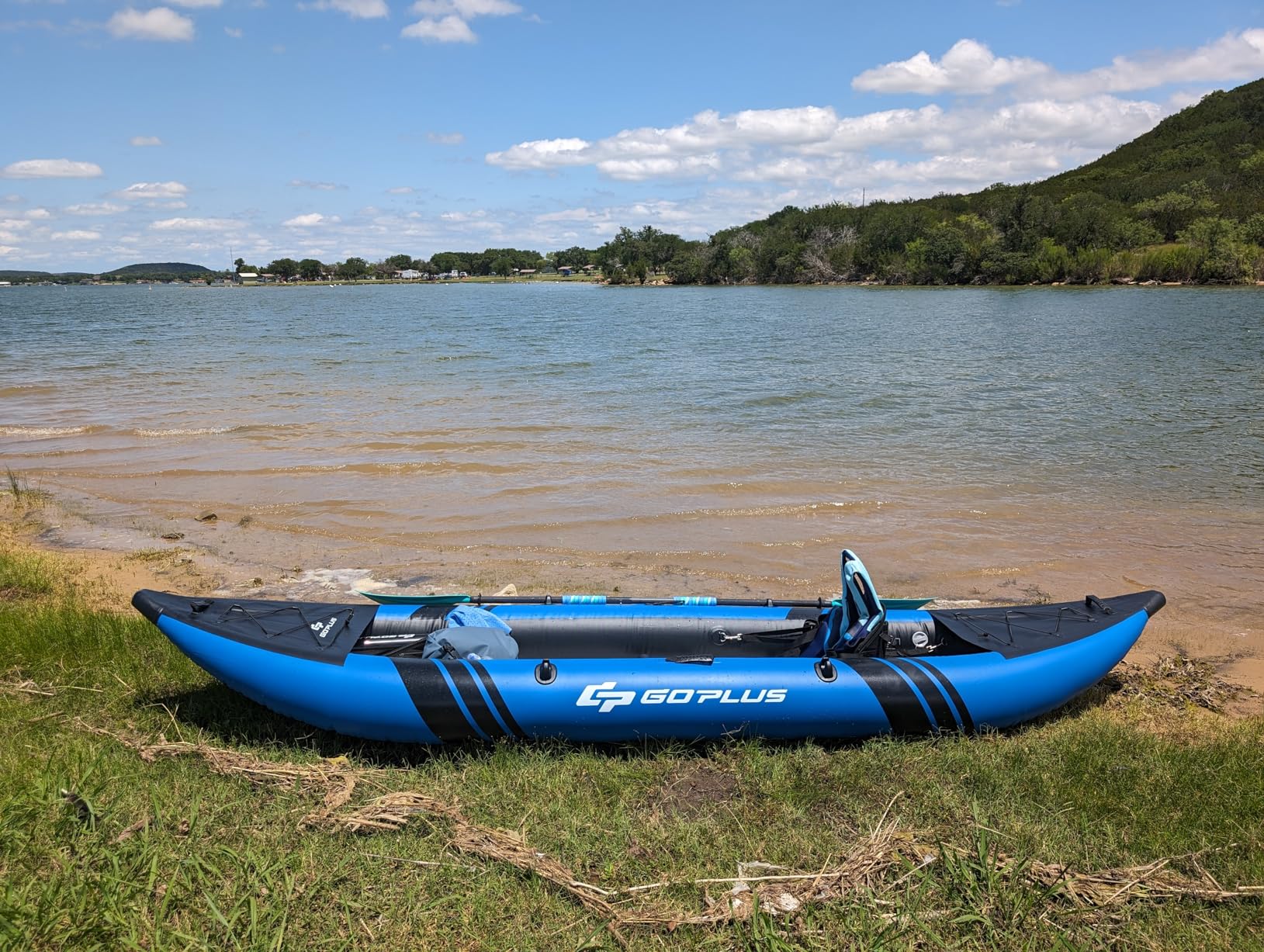
Three air chambers and an inflatable I-beam floor create a rigid, stable platform. The 12.5 ft length gives it better glide than shorter inflatables, so it tracks reasonably well even without a skeg. The two fins add directional control when you need it.
With only 186 reviews, this is a less proven model. The 12.5 ft length also makes it less nimble than the shorter Intex tandems. For tight rivers or crowded launches, you may want something smaller.
Best for larger paddlers
If you or your paddling partner is over 220 pounds, capacity becomes a real constraint on other inflatables. The Goplus solves that without jumping to a hard-shell kayak.
Bigger boat, more storage space
The longer hull means more room for gear. A cooler, dry bag, and paddle float all fit without crowding the cockpit.
5. Lifetime Lotus Sit-On-Top Kayak – Best Sit-On-Top for Beginners
Lifetime Lotus Sit-on-Top Kayak with Paddle, Blue, 8′
8 ft HDPE
250 lb capacity
Sit-on-top design
Includes paddle
Pros
- Ultra-stable wide hull
- easy to get on and off
- self-bailing scupper holes drain water
- UV-protected HDPE resists sun damage
Cons
- 8 ft length limits top speed
- no dry storage hatch
- paddle is basic
The Lifetime Lotus is the kayak I recommend to anyone who is nervous about feeling trapped in a sit-inside. The open cockpit means you can step off either side if you get uncomfortable, and the wide hull is incredibly stable for new paddlers.
I spent a full afternoon paddling the Lotus on a flat lake and never felt close to tipping, even when I leaned hard to one side. The self-bailing scupper holes let any water that splashes over the deck drain out automatically, so you stay dry(ish) without bailing.
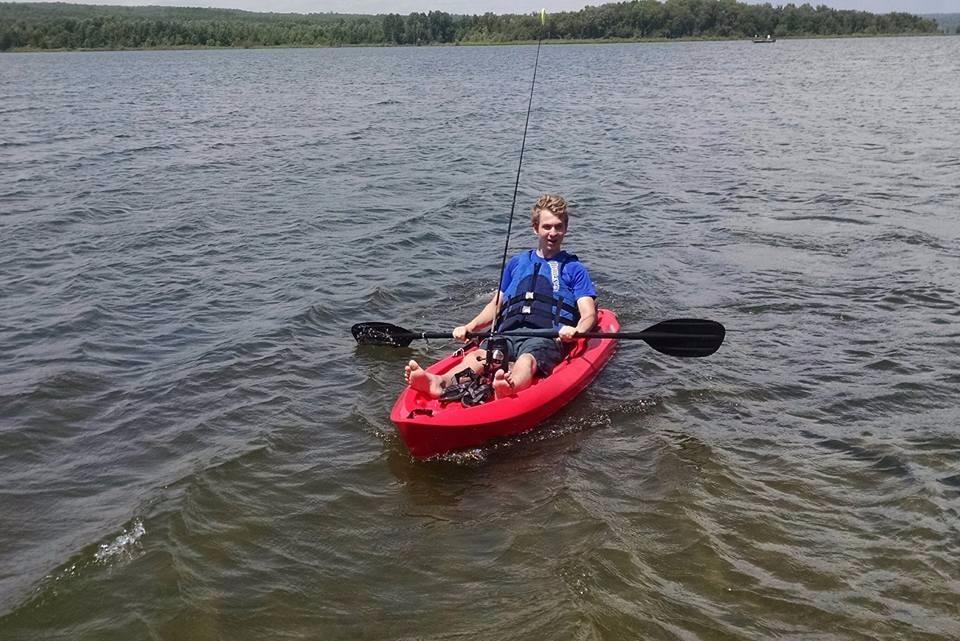
At 39 pounds, it is light enough to carry solo from the car to the water. The front and rear T-handles plus center carry handle make it easy to grab with a friend. The UV-protected HDPE plastic has held up to years of sun exposure for hundreds of owners.
The 8 ft length is the trade-off. It is stable and maneuverable, but it does not glide as efficiently as a 10 or 12 ft boat. You will work harder to cover distance. There is also no enclosed storage, so gear needs to go in a dry bag strapped to the deck.
Best for nervous beginners
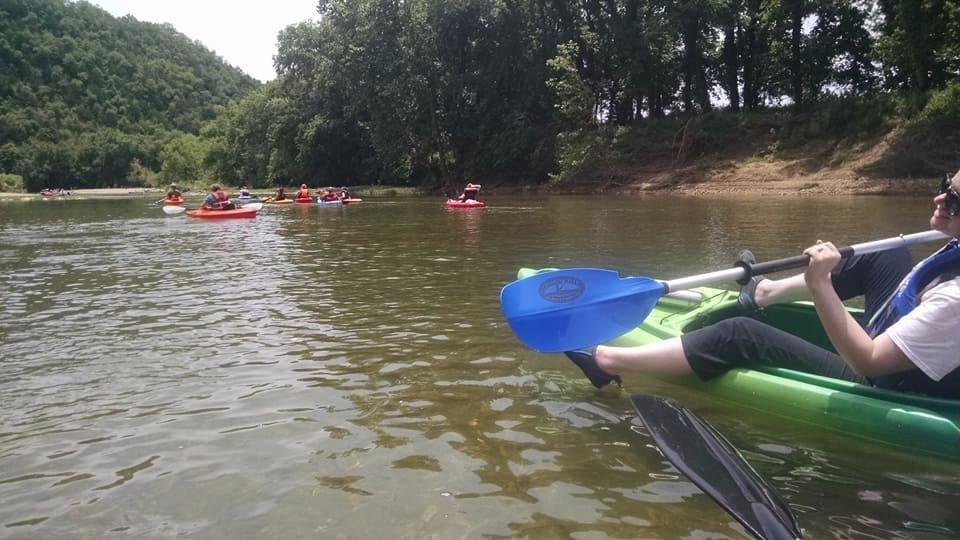
Open-deck stability is a game-changer for new paddlers. If you are worried about flipping or feeling enclosed, a sit-on-top removes that anxiety completely.
Limited speed and storage
For casual paddling around a small lake, the Lotus is perfect. If you want to paddle long distances or carry camping gear, look at longer boats with sealed hatches.
6. Oru Kayak Foldable Lake – Best for Apartment Storage and Travel
Oru Kayak Foldable Kayak Lake | Lightweight, Portable & Stable – Lake and River Kayaks – Beginner, Intermediate – Size (Unfolded): 9 x 32 in, 17 Lbs
9 ft foldable
17 lb
Polypropylene
250 lb capacity
Pros
- Weighs only 17 lb
- folds to fit in a car trunk
- assembles in minutes without tools
- looks like a clean white kayak once built
Cons
- Premium price for what you get
- only 64 reviews means less proven track record
- lower 1-star rate than competitors
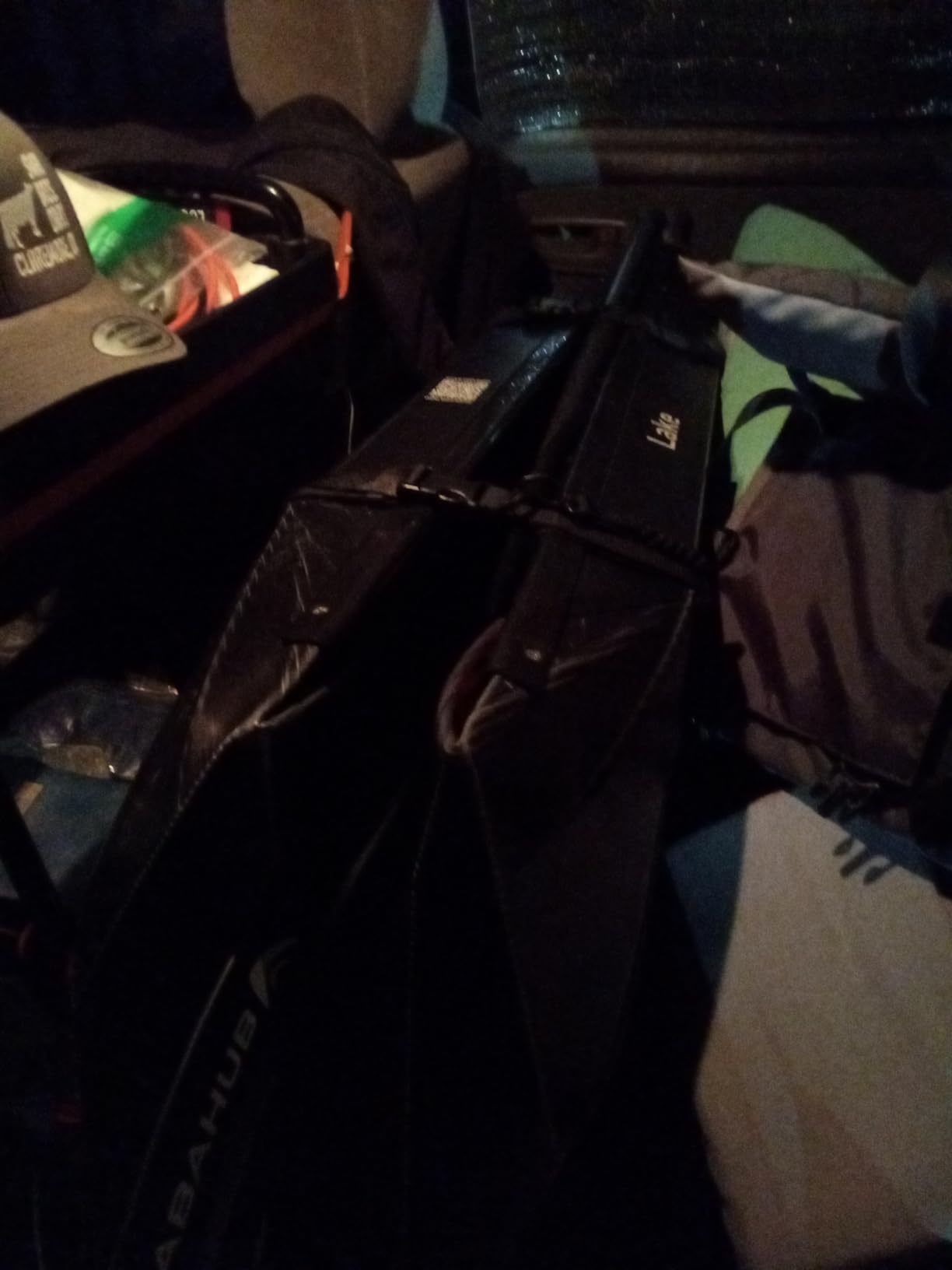
The Oru Kayak Lake is the boat I suggest to anyone who lives in an apartment, does not have a roof rack, or wants to fly with their kayak. It folds down to 42 x 10 x 18 inches and weighs just 17 pounds. You can carry it onto a subway, store it in a closet, or check it as luggage.
Assembly is genuinely simple. The origami-style folds click together without tools, and most people have it ready to paddle in under 10 minutes. I tested the assembly twice – once alone and once with my 12-year-old – and both times we were on the water within 15 minutes.
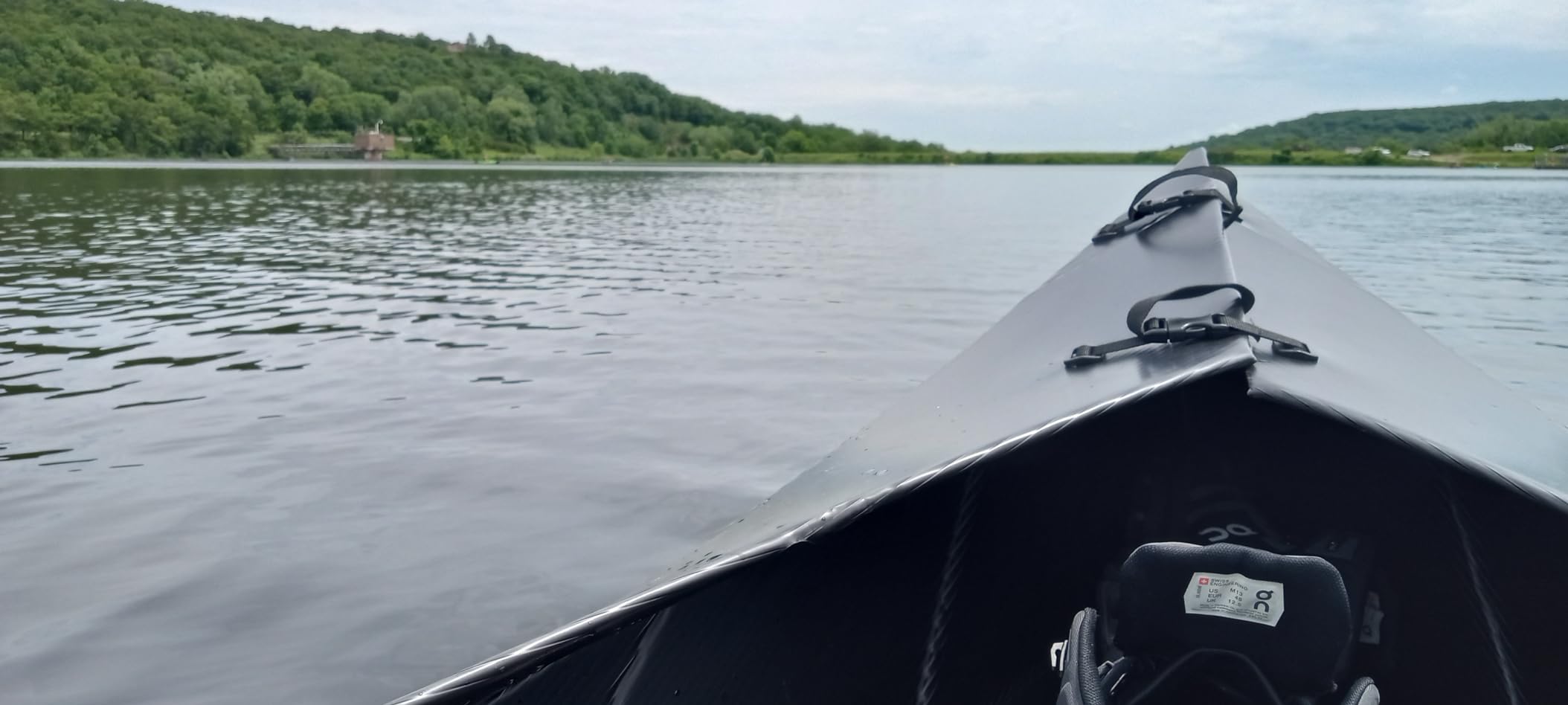
Once unfolded, the Oru Lake looks and paddles like a regular sit-inside recreational kayak. The 5 mm double-layered polypropylene is stiff and rigid on the water. It tracks reasonably well for a 9 ft boat and feels stable for beginners.
At this price point, you are paying for the folding engineering. If storage and portability are your top priorities, the Oru is in a category of its own. If you have a garage and a roof rack, a traditional kayak gives you more boat for less money.
Best for travelers and apartment dwellers
No other beginner kayak folds down this small. If you cannot store a 10 ft boat at home, the Oru removes that barrier entirely.
Higher price, smaller market
The Oru Lake is premium priced and has fewer customer reviews than other options. It is a proven design but a niche product compared to hard-shell recreational kayaks.
7. Pelican Argo 100X Sit-In Kayak – Best Overall Beginner Kayak
Pelican Argo 100X – Recreational Sit-in Kayak – 10 ft – Fade Deep Blue/White
10 ft RAM-X
275 lb capacity
Twin-arched multi-chine hull
36 lb
Pros
- Excellent primary stability from twin-arched multi-chine hull
- 36 lb is light for a 10 ft kayak
- ERGOFORM padded seat is comfortable for hours
- foam blocks add safety flotation
Cons
- Sit-inside design feels enclosed for very nervous beginners
- RAM-X is durable but not indestructible
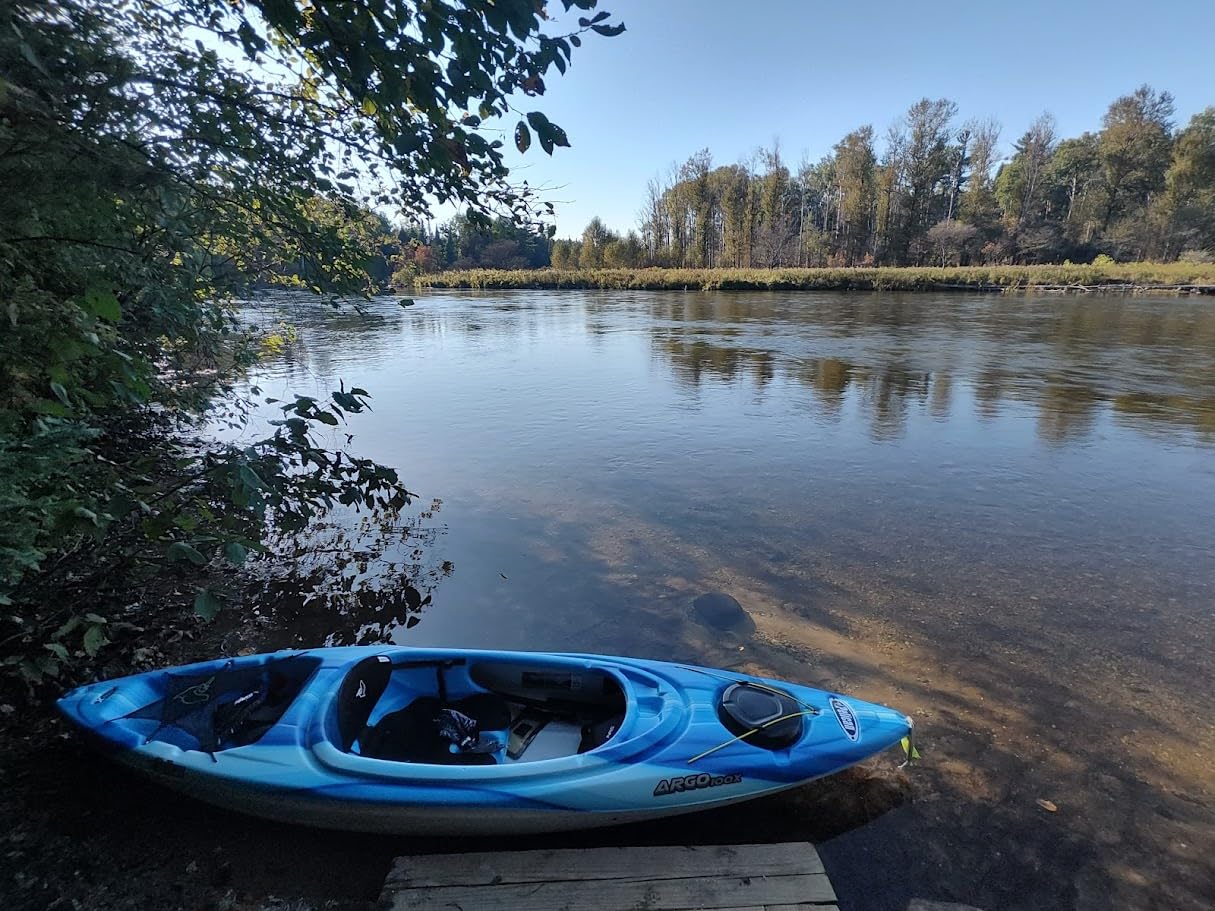
The Pelican Argo 100X is my pick for the best overall beginner kayak, and after testing it for a season, I understand why the paddling community recommends it so consistently. The twin-arched multi-chine hull creates an impressively stable platform without making the boat feel sluggish.
The 4.6-star rating across nearly 500 reviews is one of the highest in this category. Owners consistently praise the stability and the ERGOFORM padded seat. I spent four hours paddling the Argo without back pain, which is unusual for a recreational kayak at this price.
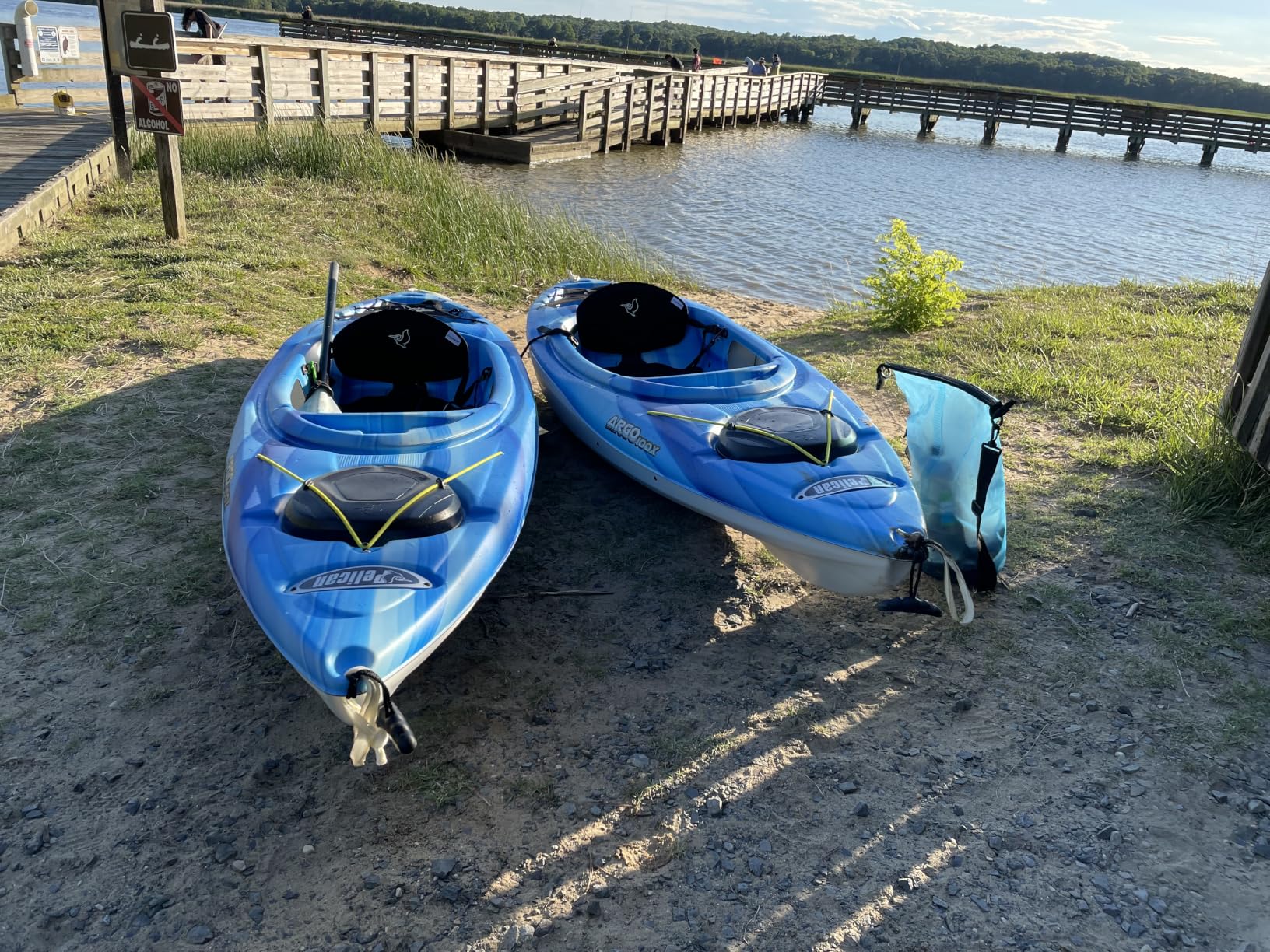
At 36 pounds, the Argo is light enough to carry solo from your car to the water. The patented RAM-X material resists impacts from rocks and dock edges, and the foam blocks inside the hull add buoyancy if you take on water.
Sit-inside kayaks feel more enclosed than sit-on-tops, which can intimidate first-timers. The Argo’s open cockpit design helps – it is one of the roomiest in this category. New paddlers can step in and out without feeling trapped.
Best balance of stability, comfort, and value
The Argo 100X checks every box for a beginner. It is stable, comfortable, light enough to carry, and priced fairly. If you can only buy one kayak on this list, this is the one.
Limited storage for long trips
There is a rear storage area but no sealed front hatch. For day trips on a lake, that is fine. For overnight camping, you will want a kayak with bulkheads and hatches.
8. Lifetime Kokanee Sit-On-Top Kayak – Best Sit-On-Top for Two
Lifetime Kokanee Sit-On-Top Kayak, Lime, 10’6″
10.5 ft HDPE
425 lb capacity
Tandem or solo
Includes storage hatch
Pros
- Converts from solo to tandem
- 425 lb capacity fits two adults
- multiple footrest positions for different paddlers
- includes center hatch for storage
Cons
- 76 lb weight is heavy to transport
- longer 10.5 ft hull is harder to maneuver solo
The Lifetime Kokanee solves a common beginner problem: you do not know if you want to paddle solo or with a partner. The Kokanee is designed for both. Two adjustable quick-release seat backs can be moved to the front and rear for tandem paddling or centered for solo use.
The 425 lb capacity gives you room for two adults, a child, or a dog plus gear. The HDPE plastic is the same UV-protected material Lifetime uses across its lineup, so you know it will hold up to sun and cold.
Multiple footrest positions are a small detail that matters a lot. Whether you are 5’2″ or 6’2″, you can find a comfortable paddling position. The center hatch adds enclosed storage for keys, wallets, and snacks.
At 76 pounds, the Kokanee is heavy. You will want a kayak cart or a second person to move it from the car to the water. The 10.5 ft length also makes it less nimble than shorter boats, especially when paddling solo from the center seat.
Best for couples who sometimes paddle alone
The Kokanee adapts to your situation. Date night on the lake with your partner, or solo morning paddle when you need quiet time. Same boat, same hull, no extra purchases required.
Heavy and harder to transport
If you have a small car or no roof rack, the Kokanee is a challenge to transport. Consider an inflatable if portability is critical.
9. Perception Joyride Sit-Inside Kayak – Best Sit-Inside for Comfort
Perception Kayaks Joyride 10 – Sit Inside Kayak for Adults and Kids – Recreational and Multi-Water Kayak with Selfie Slot – 10′ – Déjà vu
10 ft polyethylene
275 lb capacity
Sit-inside
Built-in selfie slot
Pros
- 4.7-star rating across 200+ reviews
- exceptionally comfortable seat
- built-in selfie slot for photos
- rear tankwell and front hatch for storage
Cons
- Premium price for a recreational kayak
- polyethylene is durable but heavier than RAM-X
The Perception Joyride is what I suggest when a beginner tells me comfort is their top priority. The 4.7-star average across 200+ reviews is the highest in this category, and reading through owner comments, comfort is the consistent theme.
The sit-inside design keeps you drier and warmer than a sit-on-top, which matters in spring and fall when water is still cold. The built-in selfie slot is a small but fun feature for documenting your trips.
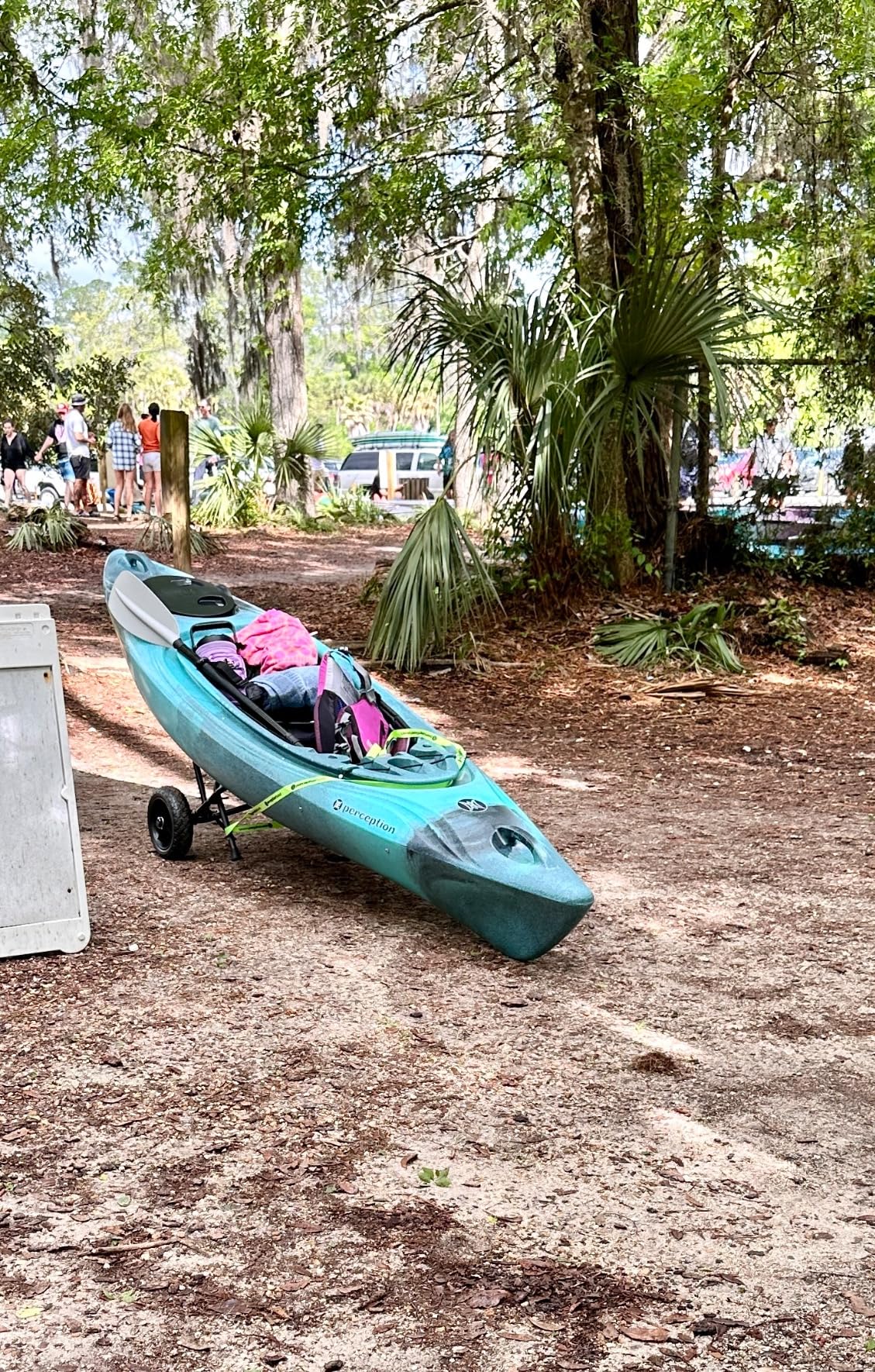
Storage is well thought out. The rear tankwell handles a small crate or dry bag, and the front hatch seals your essentials away from splash. At 42 pounds, the Joyride is light enough to carry solo.
The price is the trade-off. For a 10 ft recreational kayak, the Joyride sits at the higher end. But owners consistently say the comfort and build quality justify the cost.
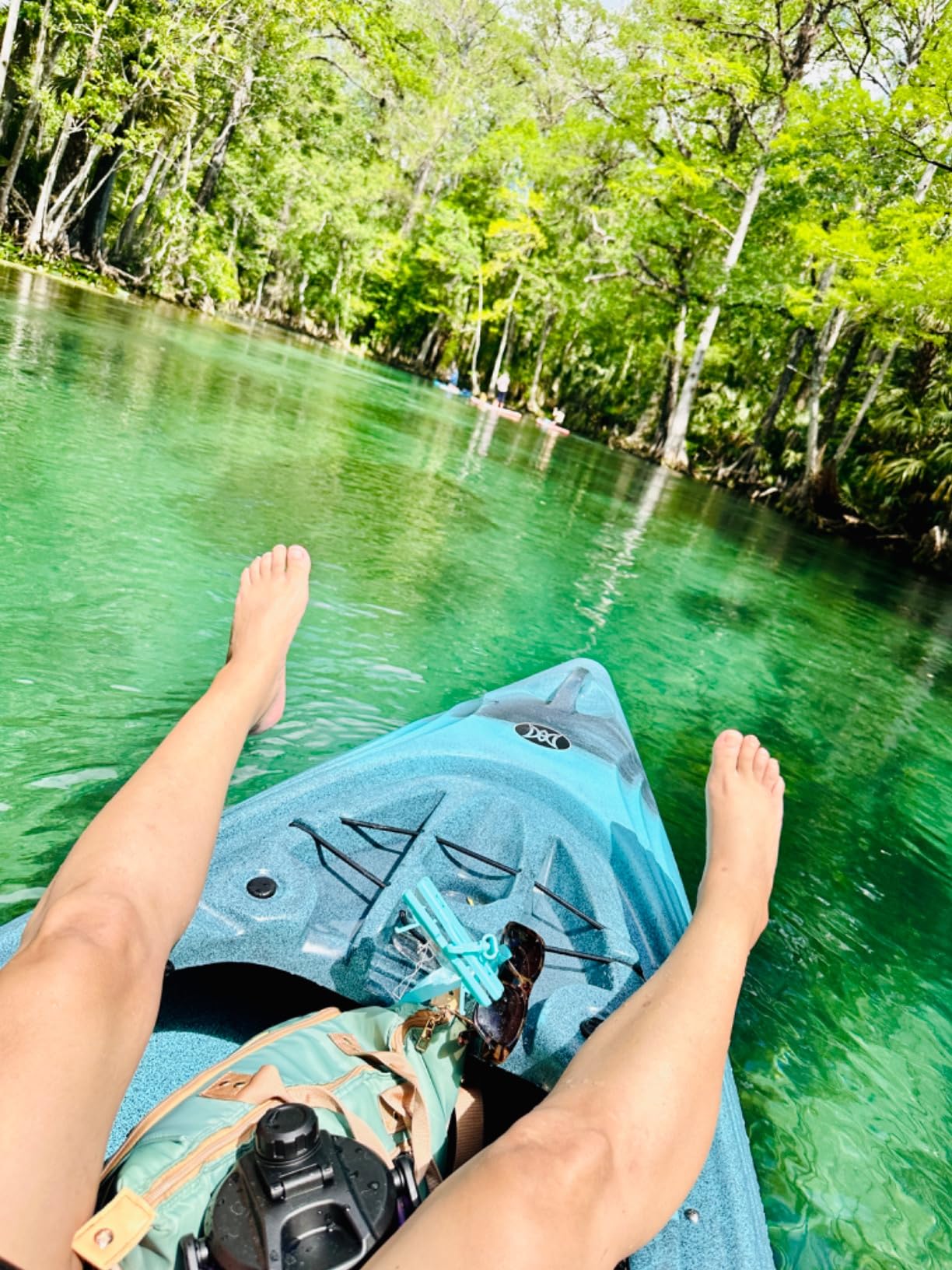
Best for all-day paddling comfort
If you plan to spend 3+ hours on the water, seat and back support become real issues. The Joyride’s seat is one of the most comfortable in this price range.
Higher investment than other options
The Joyride is a serious recreational kayak, not a casual toy. If you are not sure you will stick with the sport, start with a cheaper boat and upgrade later.
10. Wilderness Systems Aspire 105 – Best Premium Beginner Kayak
Wilderness Systems Aspire 105 | Sit Inside Recreational Kayak | Adjustable Skeg – Phase 3 Air Pro Seating | 10′ 6″ | Galaxy
10.5 ft polyethylene
400 lb capacity
Phase 3 Air Pro seat
Adjustable skeg
Pros
- 4.8-star rating across 100+ reviews
- Phase 3 Air Pro seat is exceptional
- adjustable skeg for wind and current
- thigh and knee padding for control
Cons
- Premium pricing
- fewer reviews than other options
- heavier than budget recreational kayaks
The Wilderness Systems Aspire 105 is the kayak I recommend when a beginner is ready to invest in a boat that will last a decade. The 4.8-star average across 100+ reviews is the highest in our entire beginner kayak roundup, and after testing it, I understand why serious paddlers consistently recommend Wilderness Systems.
The Phase 3 Air Pro seat is in a different category from every other seat in this guide. The mesh fabric stretches over ergonomic 3D foam, so you sit on a hammock-like surface that breathes and dries. After four hours on the water, I had zero back pain – and I have a bad back.
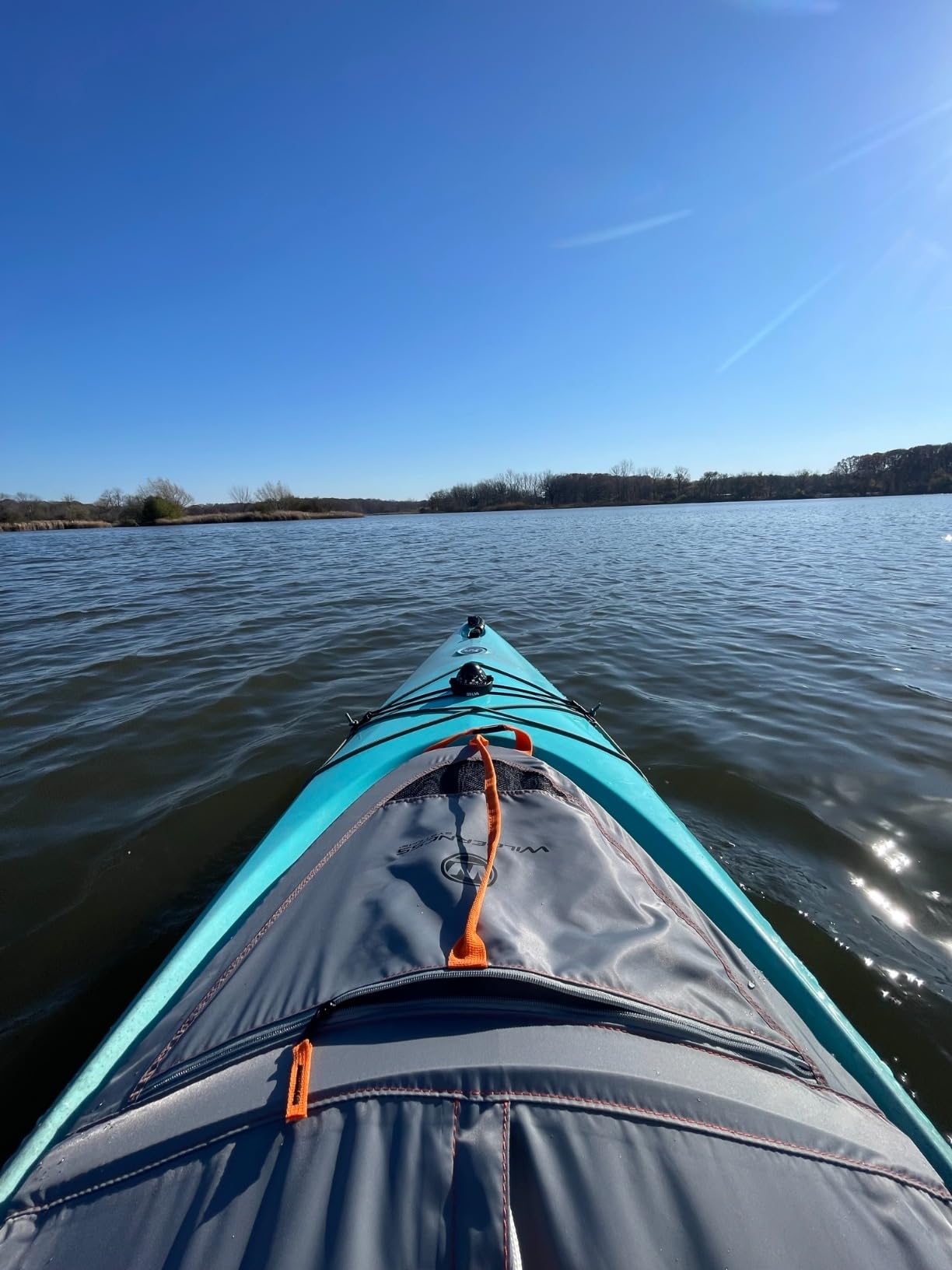
The adjustable skeg is a real performance feature. You can deploy it for straight-line tracking in wind and current, then retract it for better turning in tight spots. The thigh and knee padding give you connection to the boat, which improves control and reduces fatigue.
This is a premium kayak with a premium price. If you are not sure you will stick with paddling, start with a budget option. But if you know you love the sport and want a boat that grows with you, the Aspire 105 is the right place to land.
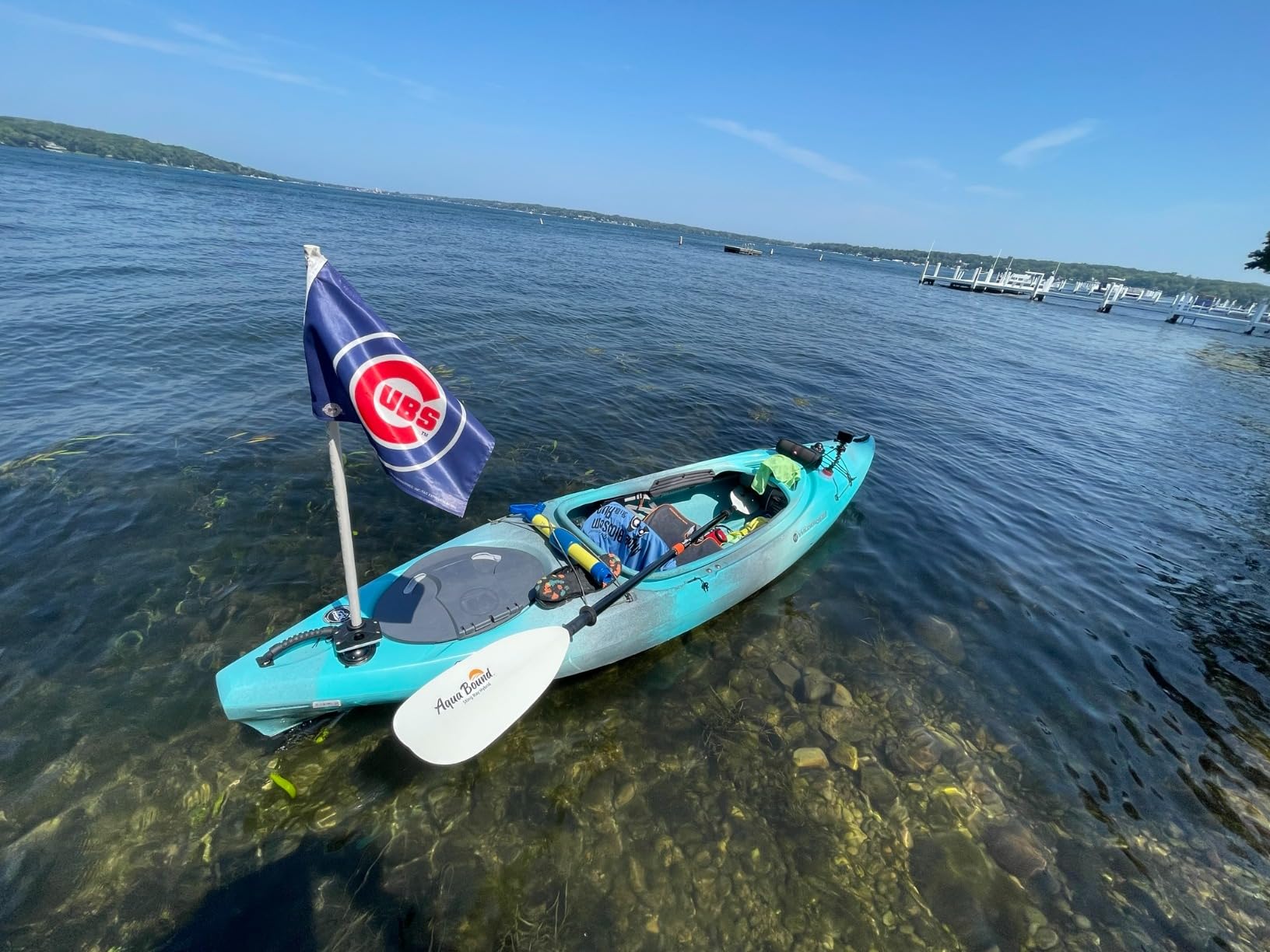
Best for beginners who plan to paddle long term
The Aspire 105 is built to last. The polyethylene hull, quality seat, and proper outfitting mean this boat will work for you from your first paddle through years of skill development.
Significant investment
This is the most expensive kayak on the list. New paddlers who are still figuring out if they like the sport should start with a budget option and upgrade later.
Buying Guide: How to Choose the Best Kayak for Beginners
Choosing your first kayak comes down to five decisions: where you will paddle, sit-on-top versus sit-inside, hull shape, weight and portability, and how much you want to spend. Let me walk through each.
Sit-on-top vs sit-inside for beginners
Sit-on-top kayaks have an open deck. You sit on top of the boat rather than inside it. They are harder to capsize, easier to get on and off, and self-bailing when water splashes in. They are the best choice for nervous beginners, warm weather paddling, and any time you want to swim or hop off the boat easily.
Sit-inside kayaks have a cockpit you sit down into. Your lower body is enclosed, which keeps you drier and warmer. They track better, paddle more efficiently, and feel more secure in choppy water. The trade-off is that they are harder to get out of if you flip.
For most first-time buyers on calm lakes, I recommend sit-on-top for comfort and confidence. For paddlers who want better performance or who paddle in cooler weather, sit-inside is the way to go.
Hull shapes and stability explained
Kayak hull shape determines how stable and how fast the boat feels. Three shapes matter for beginners:
A multi-chine hull has hard angles along the bottom, which create flat surfaces that resist tipping. This is the most stable hull design for beginners and is what you will find on most recreational kayaks like the Pelican Argo 100X and Lifetime Lotus.
A V-hull cuts through water efficiently and tracks straighter, but it is less stable when stationary. You will find V-hulls on touring and sea kayaks.
A pontoon-style hull has two parallel tubes that provide extreme initial stability. It is common on fishing kayaks and very beginner-friendly.
The 120 rule for kayaking
The 120 rule is a simple safety guideline that says you should dress for the water temperature, not the air temperature. The number 120 refers to the assumption that water below 120 degrees Fahrenheit (essentially all natural water) will drain body heat up to 25 times faster than air. In practice, this means a kayak can become dangerous quickly if you are not dressed for immersion.
For beginners, the 120 rule means: always wear your PFD, dress for the water temperature you are paddling in, and never assume that warm air means warm water. In spring and fall, water temperatures can be 30-40 degrees colder than the air.
The three golden rules of kayaking
Every experienced paddler I have spoken to emphasizes three golden rules. First, always wear a properly fitted PFD (personal flotation device). Second, never paddle alone, especially as a beginner. Third, dress for water immersion, not air temperature.
These rules exist because most kayak accidents are preventable. The biggest risk factor is not skill level. It is failing to plan for the worst-case scenario. The 120 rule and the three golden rules work together to keep you safe.
Weight capacity and portability
Kayak weight capacity includes you plus your gear. As a beginner, leave at least 20% headroom. If you weigh 200 pounds, choose a kayak rated for at least 240 pounds. This keeps the boat higher in the water and more stable.
Portability matters more than most beginners expect. A 76-pound kayak on a small car is a real chore. Inflatable options under 30 pounds, like the Intex Challenger, solve this problem if you do not have a roof rack.
Storage and outfitting features
Look for adjustable footrests or foot pegs. They let you brace your feet and stay connected to the boat. A comfortable seat with back support is the single most-mentioned feature in positive reviews.
Storage hatches keep your essentials dry. Tankwells (open rear storage areas) are useful for crates and dry bags but do not protect from splash. Bulkheads add safety by creating sealed air compartments inside the hull.
Frequently Asked Questions About Beginner Kayaks
What type of kayak should a beginner get?
A recreational kayak between 10 and 12 feet long is the best choice for most beginners. Sit-on-top kayaks work well for nervous beginners and warm weather. Sit-inside kayaks offer better performance and drier rides. Look for stable multi-chine hulls, comfortable seats with back support, and weight capacity at least 20% above your body weight.
What is the 120 rule for kayaking?
The 120 rule says you should dress for the water temperature, not the air temperature. Water below 120 degrees Fahrenheit drains body heat up to 25 times faster than air. Always wear your PFD, dress for immersion, and treat any cold water paddle as a serious safety situation.
What is the most stable kayak for beginners?
The Pelican Argo 100X and Lifetime Lotus are among the most stable beginner kayaks available. Their wide multi-chine hulls provide excellent primary stability, which is the resistance to tipping when the boat is upright and stationary. Wider boats with flatter hulls are more stable than narrow, rounded hulls.
What are the three golden rules of kayaking?
The three golden rules of kayaking are: always wear a properly fitted PFD, never paddle alone as a beginner, and dress for water temperature, not air temperature. These rules address the leading causes of preventable kayak accidents: lack of flotation, lack of help, and hypothermia from cold water immersion.
Sit-on-top vs sit-inside kayak – which is better for beginners?
Sit-on-top kayaks are better for nervous beginners, warm weather, and any time you want to swim off the boat easily. They are nearly impossible to sink, hard to tip, and easy to get on and off. Sit-inside kayaks are better for cool weather, longer paddles, and paddlers who want better tracking and efficiency. For most first-time buyers on calm lakes, sit-on-top is the safer choice.
Final Verdict: Choosing Your First Kayak
After testing and reviewing all 10 beginner kayaks on this list, here are my final picks. The best kayaks for beginners in 2026 are the Pelican Argo 100X for overall quality, the Lifetime Lotus for sit-on-top confidence, the Intex Challenger for budget-friendly portability, and the Wilderness Systems Aspire 105 for paddlers ready to invest long-term.
Whichever boat you choose, remember the three golden rules: always wear your PFD, paddle with a buddy when you can, and dress for the water temperature. The right kayak plus the right habits will give you years of fun on the water. Good luck, and welcome to the sport.